


.png?width=26&height=26&name=youtubemobile%20(Custom).png)
.png?width=26&height=26&name=instgrammobile%20(Custom).png)


There are some cars that look as if they were created by a committee, and there are others that...



Toyota MR2 Mk1 buyer’s guide
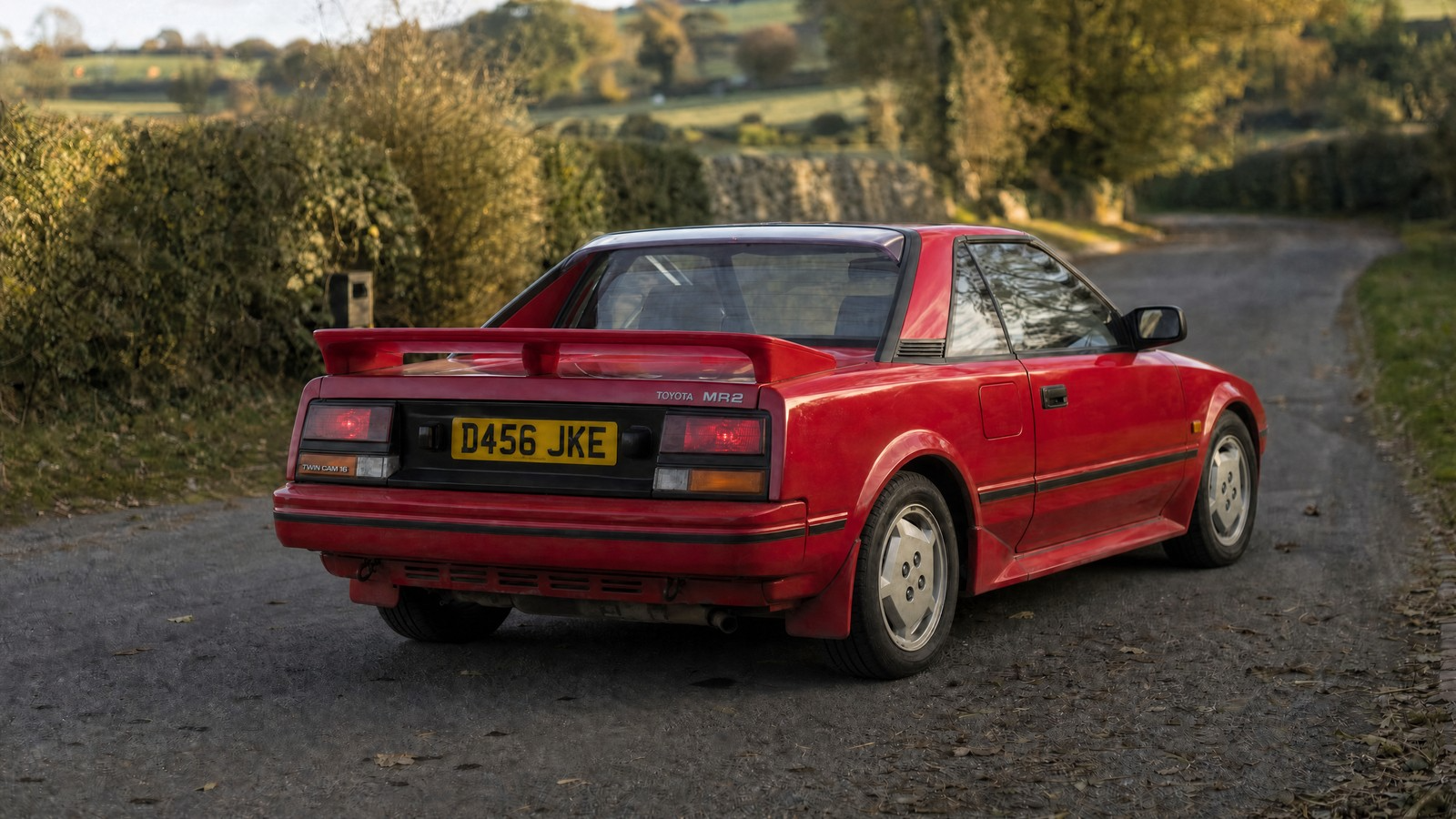
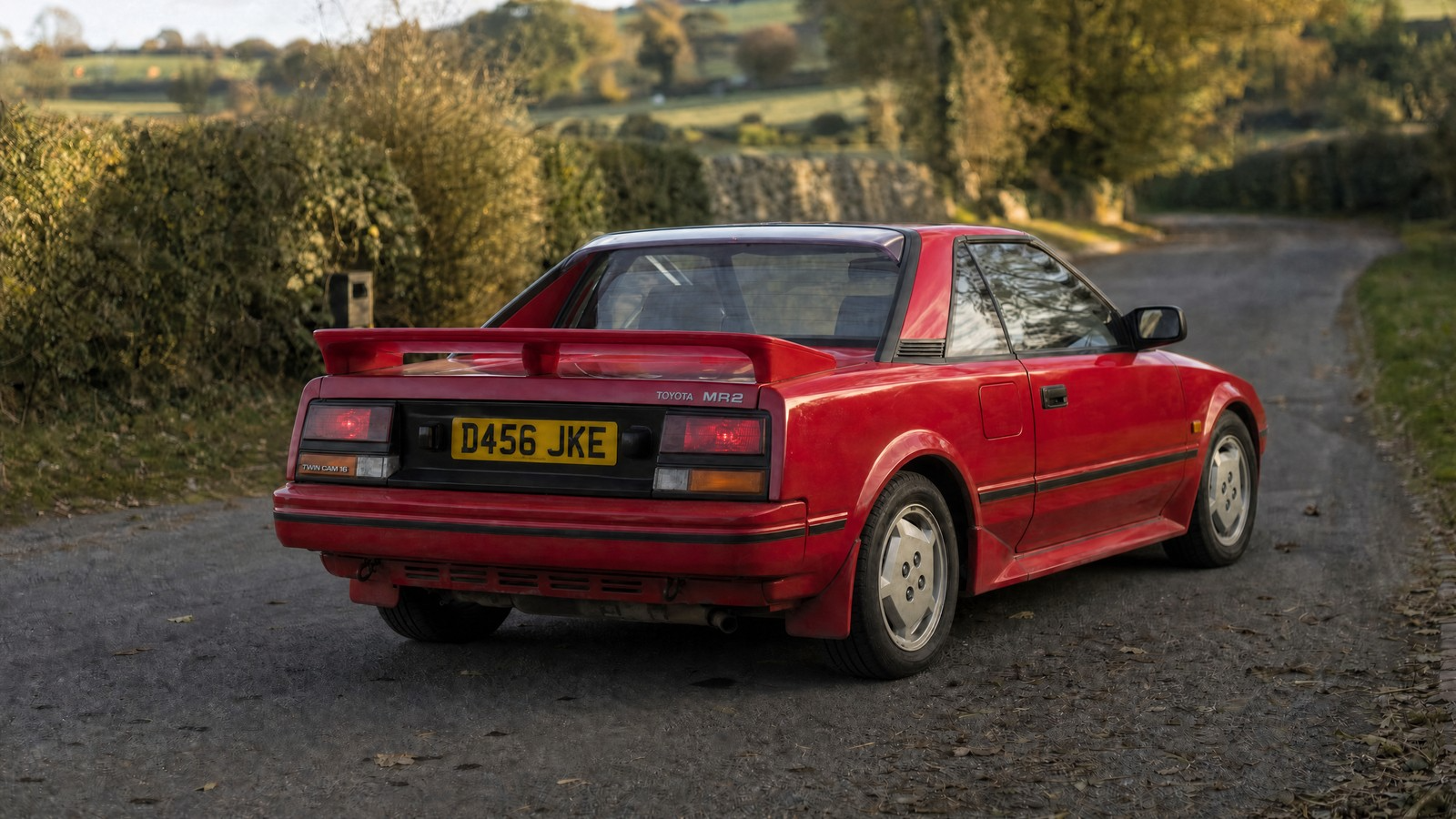
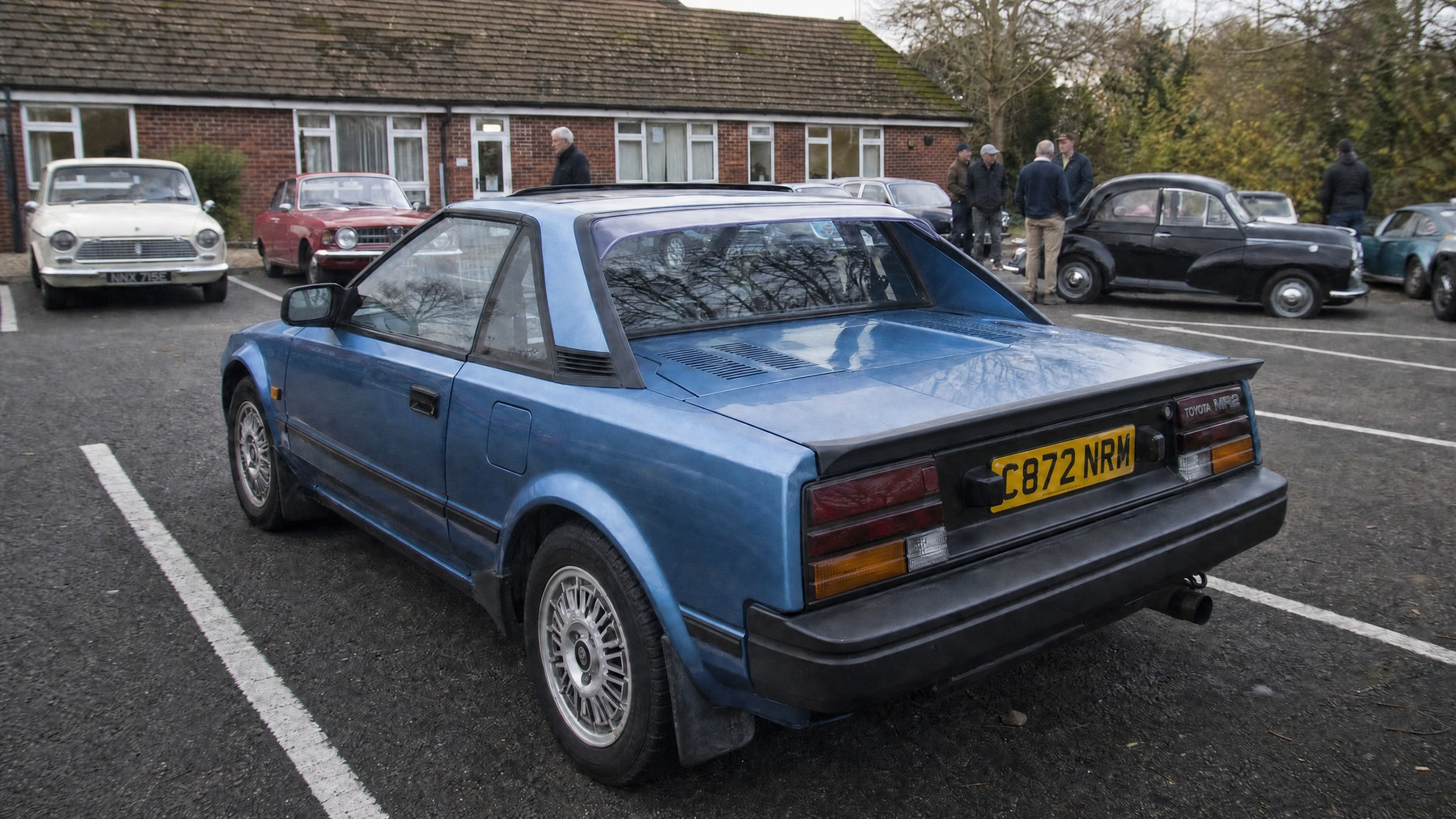
There are cars that shout about being clever, and then there is the Toyota MR2 Mk1, which simply gets on with it while wearing pop up headlights and a wedge profile sharp enough to slice cheese. It arrived in Britain in 1985 and looked like something that had escaped from a motor show stand. Small, light, mid engine and properly usable, it gave ordinary buyers a taste of exotic layout without the traditional exotic ownership experience, which usually involves a specialist invoice and a little cry in the kitchen.
Toyota called it the Midship Runabout Two Seater, which is a wonderfully literal name and sounds faintly like something a committee came up with after a very long lunch. The important bit is that the engine sits behind the seats and drives the rear wheels. That 1.6 litre 4A GE twin cam engine made around 122 bhp in UK form, and because the car weighed about 975 kg, it felt eager rather than merely adequate. Original Toyota GB figures put 0 to 60 mph at 8.1 seconds and top speed at 124 mph, which was punchy stuff for a small sports car in the mid Eighties.
Why the little Toyota still matters
The MR2 did not just look interesting. It was interesting. Toyota had started exploring the idea of a fun but frugal sports car years before it reached showrooms, and the SV 3 concept shown at the 1983 Tokyo Motor Show was close to the finished article. Toyota’s own history describes the Mk1 as the first mass produced mid engine car from a Japanese manufacturer, which gives it a proper place in the classic car story rather than just a spot in a nostalgic poster collection.
The magic is in the balance. Toyota’s mid engine layout gave the MR2 a weight distribution that made it feel alert, while its light controls and compact size made British roads feel like they had been designed for it. This is not a big power hero car. It is not a muscle car, and it will not pin you to the seat like a modern turbocharged hatchback. Instead, it rewards clean driving, smooth inputs and the sort of back road rhythm that makes you arrive home taking the long route twice.
Sunroof cars and T bar cars
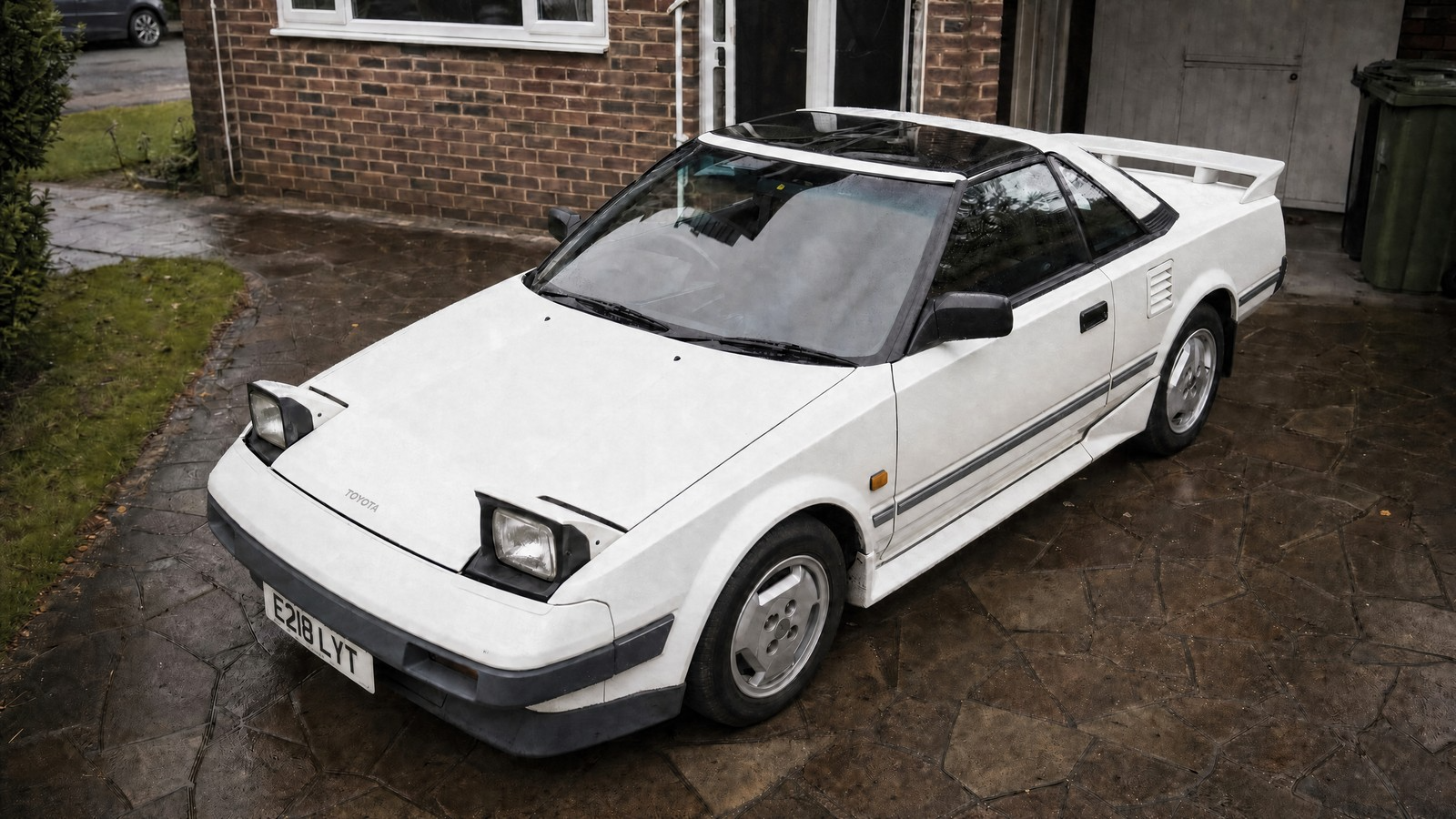
Most UK buyers will come across two main roof styles, the regular removable sunroof and the T bar. UK market cars originally came with a removable sunroof that could be stored in the front luggage compartment, which is a neat party trick until you realise you have put your shopping on top of it. It suits the MR2 well because it keeps the car simple, tidy and a little less needy than the glass roof versions. Do not assume simple means risk free though. Sunroof drains can block, and rust around the windscreen surround and roof edges can become expensive very quickly.
The T bar arrived as an option from October 1985 and brought twin removable glass roof panels, one above each occupant. It gives the MR2 a much more open feel and, on a warm evening, it can make the car feel like a tiny Japanese targa with a big personality. The trouble is that Britain is not always a warm evening. T bar seals can leak, drain tubes can block, carpets can get wet, and wet carpets in an Eighties Toyota are basically an invitation to corrosion. If a seller tells you “they all do that”, smile politely, then lift the carpets and look anyway.
Which roof should you buy
A good T bar is lovely. It looks special, it feels special, and it will always attract buyers who want the full Eighties glass roof experience. If it has dry carpets, clean roof channels, good seals and no bubbling where the panels sit, it is absolutely worth considering. Make sure the panels fit properly, the storage bags are present if possible, and there are no signs of bodged sealant. Bathroom silicone has many uses. Repairing a classic Toyota roof is not one of them.
A good sunroof car is often the calmer choice. It still gives you fresh air, it has fewer seals to worry about, and it can be the better pick if the car lives outside or sees regular use. The key word, as always, is good. A rusty sunroof car is not better than a dry T bar. Buy on condition first, roof type second, and colour third, unless the colour is truly awful, in which case you are allowed a small wobble.
Mk1a and Mk1b explained without a headache
Owners often talk about Mk1a and Mk1b cars, though Toyota did not put those badges on the back. Broadly speaking, the earlier cars are known as Mk1a, while the updated late 1986 onward cars are known as Mk1b. Hagerty notes that the update brought a stronger five speed manual gearbox, engine changes, a thicker rear anti roll bar, body coloured details and other suspension and trim revisions. In normal human language, later cars are a bit more developed and usually a little easier to buy parts for, simply because most UK cars you will see are later examples.
That does not mean an early car should be ignored. A clean early MR2 has rarity and purity on its side, and some people prefer the earlier details. The danger is buying one because it is rare while pretending the crunchy sills are “patina”. Patina is faded paint, a lovingly worn steering wheel and a smell of old Toyota fabric. Patina is not being able to see daylight through the jacking point.
Standard UK cars, imports and the supercharged temptation
The safest route for most buyers is a well kept UK 1.6 manual with a clear history, matching identity, no structural rot and evidence that someone has cared about it properly. That may sound boring, but boring paperwork is exactly what you want when buying an old sports car. You want invoices, old MOTs, cambelt evidence, coolant changes, brake work and sensible tyres. A shiny advert with three photos and the words “future classic” written six times is not the same thing.
Imports can be fascinating, especially Japanese market versions such as the G Limited and the supercharged cars. The supercharged 4A GZE versions made roughly 145 bhp and feel noticeably stronger, but they were not official UK market cars, so you need to be more careful about history, corrosion, parts, insurance and previous modifications. Some imports are superb. Some have lived mysterious lives before arriving here with very little paperwork and suspiciously cheerful mileage. Treat them like a date who refuses to tell you where they work.
The engine is tough, but not immortal
The 4A GE engine is one of the MR2’s great strengths. It is rev happy, durable and full of character, with just enough mechanical snarl behind your head to remind you that the engine is not where your brain expects it to be. Proper servicing matters, though. Toyota’s buyer guidance highlights cambelt replacement at 60,000 miles or five years, so if there is no evidence of a recent belt, budget for one immediately.
Oil leaks are common, especially around the distributor O ring, and a light stain is not always the end of the world. Heavy leaks are different. Smoke from the engine bay, oil dripping onto hot components or a sump that looks like it has been living in the sea all deserve caution. Listen for exhaust manifold leaks too. A chuffing noise at idle may sound charming in a steam train, but on an MR2 it means awkward access and a job nobody will thank you for.
Cooling, gearbox and brakes
Cooling systems on mid engine cars need respect because the radiator is at the front and the engine is at the back, meaning there is a fair bit of plumbing between the two. Check for clean coolant, stable temperature and evidence that the system has been bled properly after work. An MR2 that overheats is not being dramatic for attention. It is asking for money.
The five speed manual gearbox is generally strong, but you should check second gear synchromesh and make sure it does not jump out of fifth, especially on higher mileage cars. The gear change should feel precise rather than vague or crunchy. Brakes are discs all round, but rear callipers can seize and handbrake cables can cause grief. If the handbrake needs the upper body strength of a dock worker, assume something wants attention.
Rust is the real enemy
If you remember only one thing from this guide, make it this. Buy the body, not the shine. The Toyota mechanical bits are usually the easy part. Rust is what turns a promising MR2 into a small, wedge shaped regret. Check the rear wheel arches, sills, jacking points, front cross member, front boot seams, windscreen surround, lower A posts and B posts, rear lower panel and rear subframe mounting areas. Use a torch, get underneath, and do not be embarrassed about looking closely. The seller may think you are fussy. Good. Be fussy.
The front luggage area deserves special attention. Remove the spare wheel if the seller allows it and inspect the metal beneath. Look behind the nose, around the headlamp areas and at the crash structure. Pop up headlights are delightful, but they can hide moisture traps and tired mechanisms. At the rear, check the boot corners and lower panels. A fresh paint job can be lovely, but it can also be the automotive equivalent of putting a nice jumper over a broken arm.
Interior checks and the bits you cannot easily replace
The cabin is part of the MR2’s charm. It is low, snug and very Eighties, with a driving position that makes you feel as if you are wearing the car rather than sitting in it. Trim condition matters because many interior parts are no longer easy to find. Worn seat bolsters, cracked plastics and missing oddments can be harder to sort than you expect, so do not dismiss them as mere cosmetic issues unless the price reflects it.
Try every switch. Electric window switches can fail and replacements are not always sitting around waiting politely on a shelf. Check the heater fan, lights, wipers, pop up headlamp action, electric aerial if fitted, gauges and central locking. Damp smells are not normal old car charm. They are clues. If the carpet smells like a wet Labrador has been stored in the footwell, start looking for leaks.
What is it like to drive today
A sorted MR2 Mk1 is still a joy. It is small in a way modern cars are not, and that alone makes it feel special. You sit low, the nose darts into corners, the engine wants revs, and the whole car feels alive at sensible speeds. That last bit matters. You do not need to be travelling at licence shredding pace to enjoy it, which is exactly why cars like this are becoming so loved.
It does demand respect, particularly in the wet. Mid engine balance is wonderful when everything is smooth, but clumsy inputs can still catch out the overconfident. This is not a car for showing off on cold tyres outside a cars and coffee meet. Drive it properly, maintain it well and it feels beautifully honest. Drive it like a fool and it may introduce you to a hedge with surprising enthusiasm.
Values and buying sense
MR2 Mk1 values have climbed because people have finally realised that small, light, clever sports cars do not keep appearing by magic. In today’s market, good T bar models are generally achieving around £8,000 on average, while tidy sunroof cars tend to sit slightly below that, with condition, history and originality still doing most of the heavy lifting. The cheap project is still out there, but it is often cheap for a reason, and that reason usually lives somewhere near the rear arches.
Spend more on the right car and you will probably spend less overall. A solid, honest, well maintained example with boring paperwork is far better than a glossy one hiding structural work. Originality helps, but sympathetic improvements are not a sin. Sensible suspension refreshes, good tyres, quality exhausts and careful rust prevention can make an MR2 more enjoyable without spoiling what makes it special.
The quick verdict
The Toyota MR2 Mk1 is one of those classics that makes a strong case for itself without needing rose tinted glasses. It is clever, characterful, reliable by classic sports car standards and still genuinely entertaining. It also looks like the Eighties drew a sports car using a ruler, which is no bad thing at all.
If you want the safest buy, look for a clean UK manual sunroof car or a properly dry T bar with strong history and no structural rust. If you want rarity and extra spice, consider a well documented import or supercharged car, but go in with your eyes open. Above all, do not buy the first shiny red one that winks at you with its pop up headlights. The MR2 is charming, but charm is not a substitute for solid sills.
Final thought
A good Mk1 MR2 is not just a starter classic or a quirky Japanese oddity. It is a proper driver’s car that happens to be friendly, usable and just the right amount of ridiculous. Find a good one, look after it, and it will make every roundabout feel like a tiny private race circuit. Just remember to check the carpets first.
There are some cars that look as if they were created by a committee, and there are others that...
There are very few cars that define an entire era, but the Volkswagen Golf Mk2 GTI is absolutely...
There are sensible classic cars, and then there is the Alfa Romeo Montreal. Sensible classic cars...