


.png?width=26&height=26&name=youtubemobile%20(Custom).png)
.png?width=26&height=26&name=instgrammobile%20(Custom).png)


The Toyota Land Cruiser BJ40 and FJ40 are proof that a vehicle does not need leather, mood lighting...
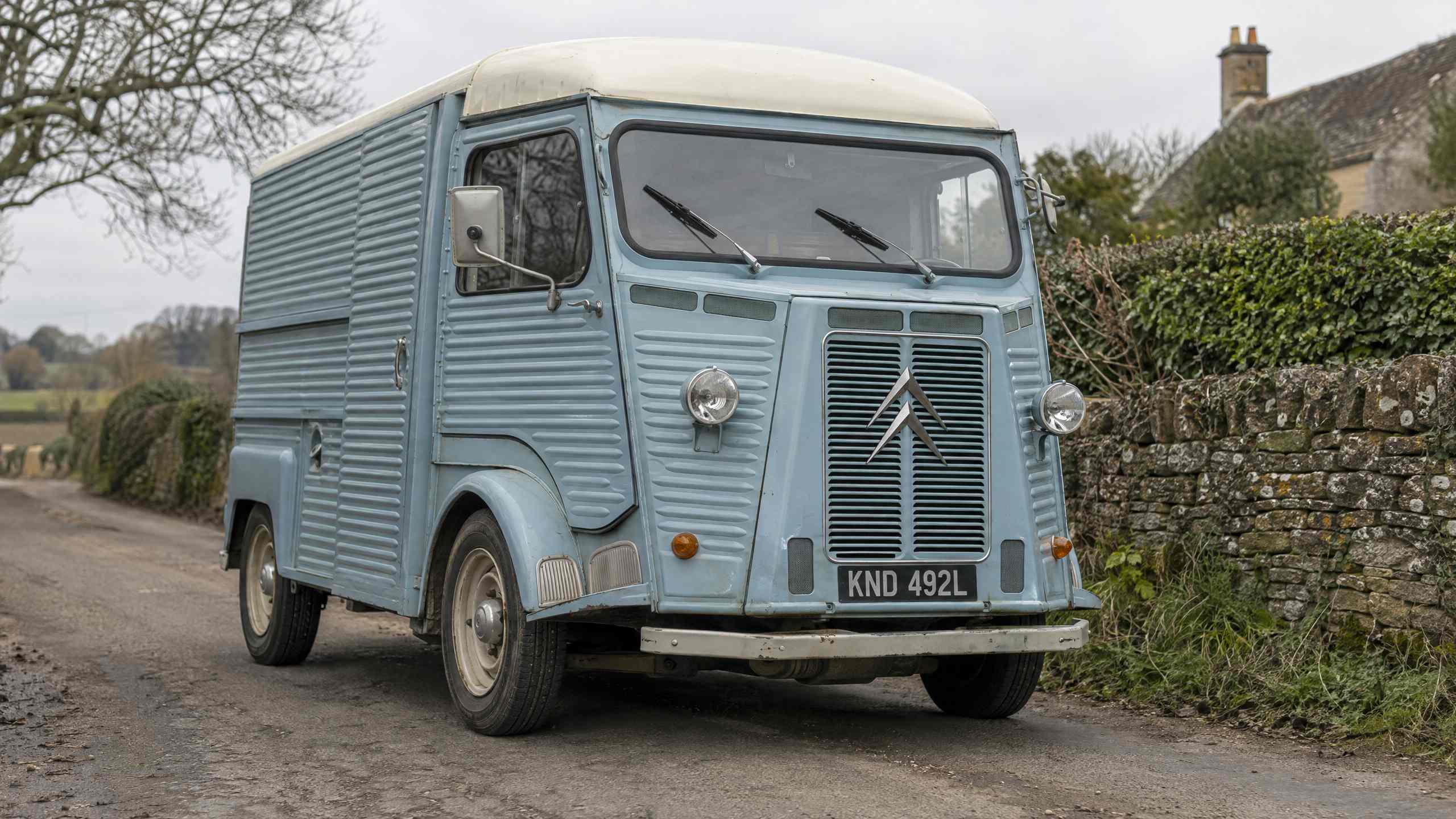



The Citroën HY van has the unusual gift of looking like it was designed by somebody who had only seen a van described over the telephone. It is tall, narrow, corrugated and apparently assembled from a dozen biscuit tins that all wanted different things from life. Yet park one at a market, wedding or petrol station and watch what happens. Nobody walks past it. People take photographs. Children point. Adults suddenly remember a French holiday they have never actually taken.
That is the HY’s superpower. It does not merely transport goods. It makes an occasion out of arriving. The basic shape changed very little through a production life that ended in 1981, and more than 470,000 Type H vans were built. There were several variants and engine choices, but most people mean the familiar corrugated, forward control van when they say HY. It is a proper working classic with enormous appeal, provided you are not expecting modern pace, modern silence or a floor that survives on optimism alone.
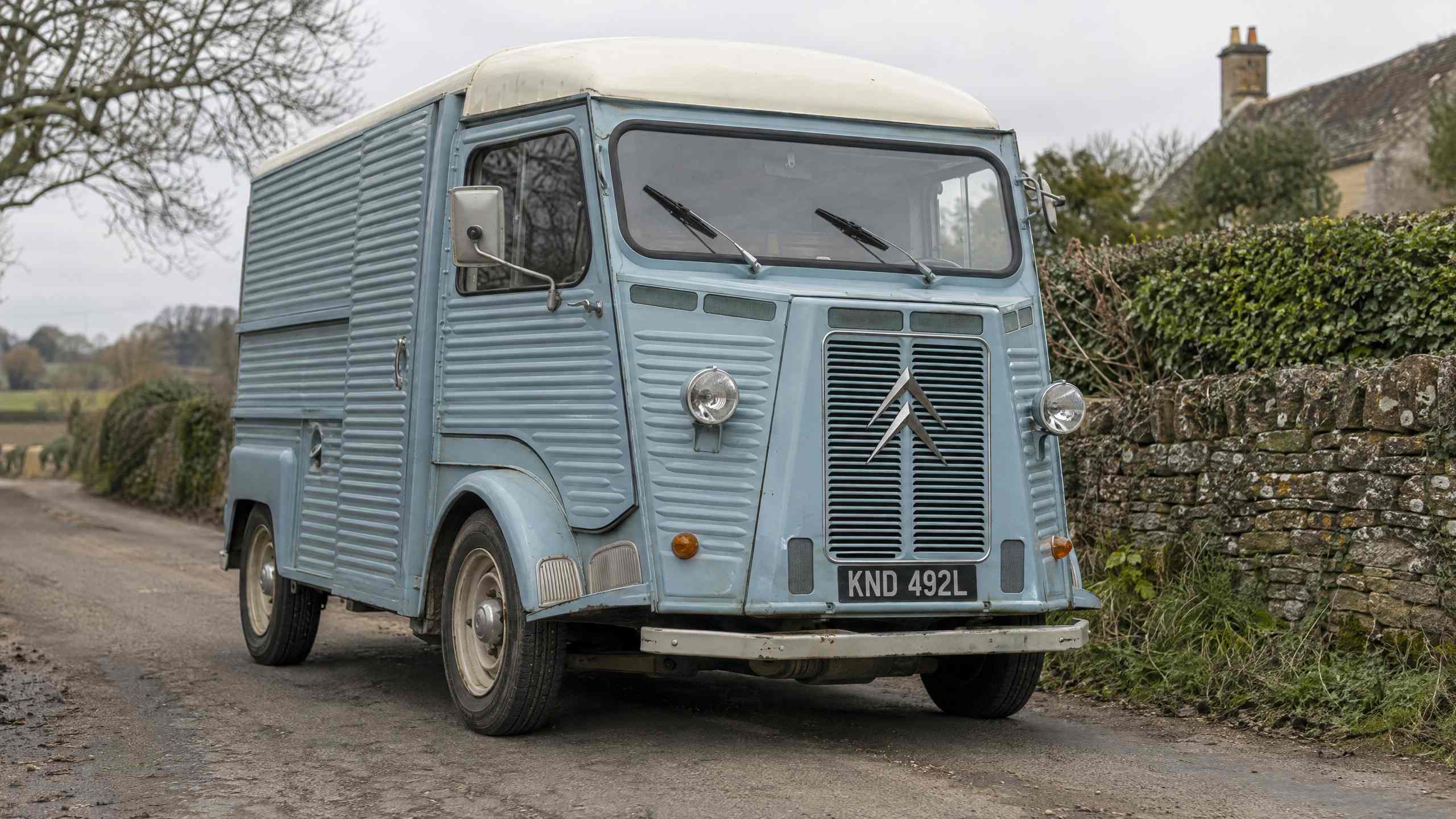
The HY is not subtle. Fortunately, subtle was already very busy elsewhere.
What makes the HY so special?
Citroën was being clever long before it became fashionable to describe every new van as clever. The Type H had front wheel drive, a unitary body, torsion bar suspension and rack and pinion steering at a time when many vans were still using a separate chassis, leaf springs and steering that felt like a polite argument. The engine and gearbox sit at the front, leaving a remarkably low load floor at the rear.
That low floor is the party trick. Loading crates, furniture, camping equipment or a frankly irresponsible amount of cheese is much easier than it ought to be in a vehicle from this era. There is useful headroom, a side loading door and a three piece rear door arrangement that can give shelter while you work. You can see why the HY became a favourite for traders, campers, horse boxes and, much later, anybody who wanted to sell coffee to people wearing expensive trainers.
It looks like a food van, but it was a proper workhorse first
The modern catering conversion has made the HY more visible than ever. It suits the job almost absurdly well. The tall body, low floor and side opening mean it can become a coffee bar, pizza oven or flower shop without losing its essential friendliness. A smart conversion can be brilliant, but it needs to be executed properly. A kitchen full of equipment, water tanks and gas bottles is not a modest payload by accident.
The best HY is not necessarily the shiniest one with a chalkboard sign promising artisan hot chocolate. It is the one with sound structure, sensible wiring, a conversion that has not hacked through essential metal and enough paperwork to explain what has been done. A beautifully painted van with a damp floor is still a beautifully painted problem. It will just look more attractive while it empties your wallet.
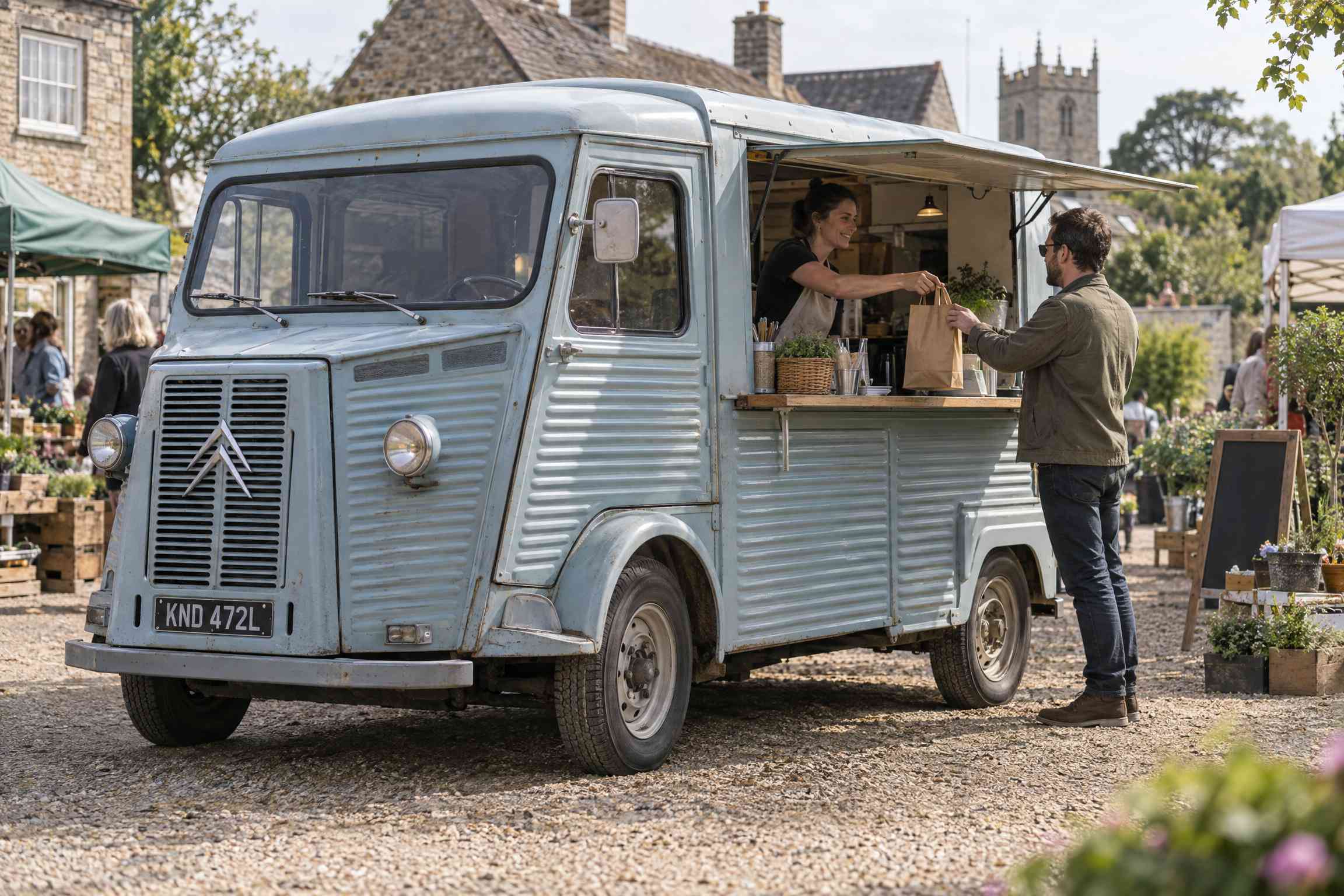
The side hatch is why the HY has become the unofficial national flag of good coffee and questionable queue lengths.
What is it like to drive?
This is where the romantic filter needs putting down for a moment. A standard HY is not quick. Later petrol versions came in 1.6 litre and 1.9 litre forms, with the stronger 1.9 litre HY78 rated at 58bhp. That is enough to make steady progress if you accept that the words “steady” and “progress” are doing quite a lot of work. A well sorted petrol van can keep up with ordinary traffic on sensible roads, but it is happier at a measured pace than trying to win an argument with a dual carriageway.
The cab is high, the view ahead is excellent and the steering is much more direct than the van’s appearance suggests. The engine sits close by under a thin cover, so it is a companion rather than a distant employee. The three speed gearbox takes a little getting used to, especially because first gear has no synchromesh and the shift pattern does not feel familiar at first. Once learned, it is part of the experience. So is the noise. Fifty miles per hour is possible in a healthy van, but it is not a speed at which anyone inside is likely to discuss poetry.
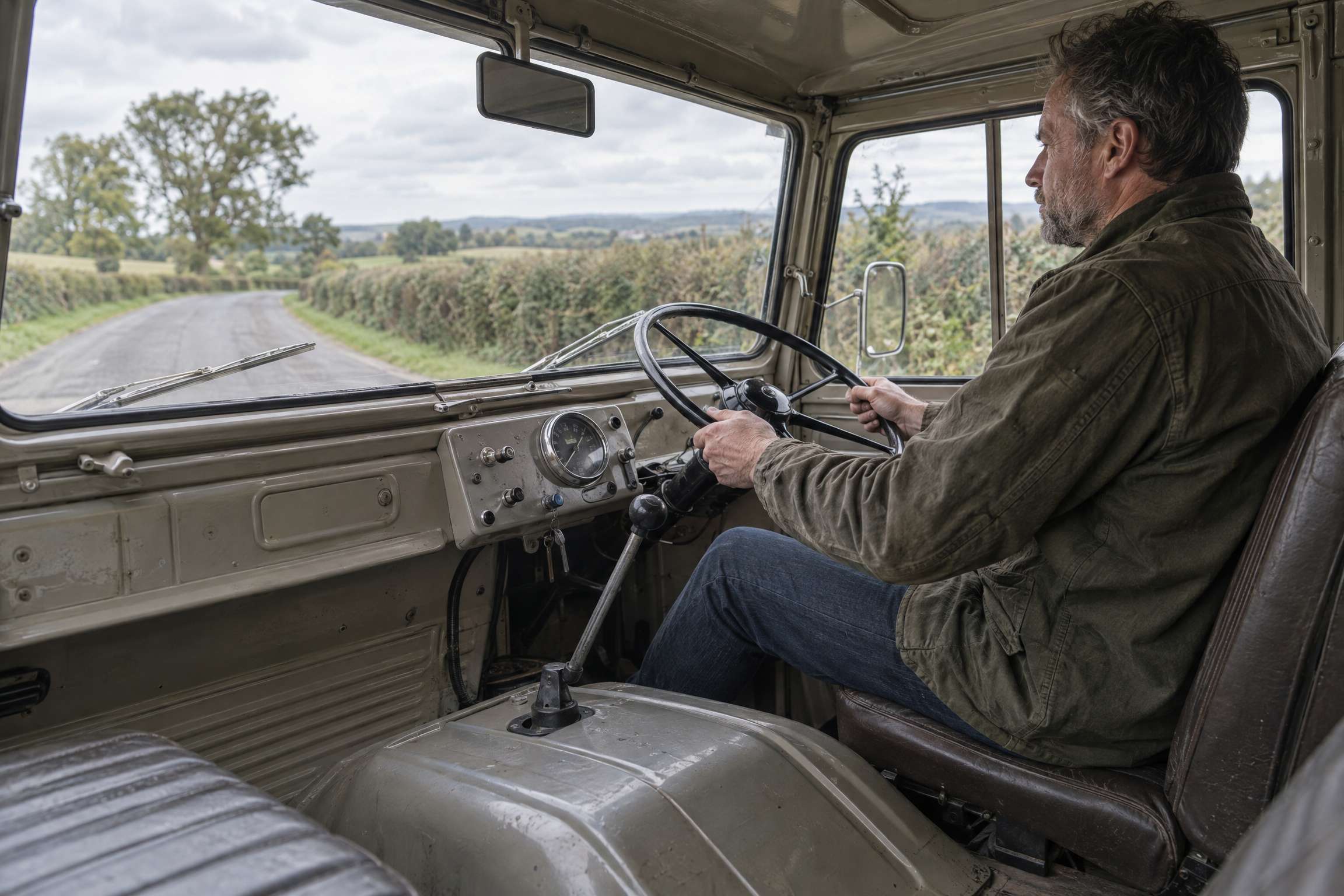
There is no pretending you are in a modern van. The engine is practically in the meeting.
The practical bits are genuinely good
The HY’s great trick is that it still makes sense as a vehicle, not just a photo backdrop. The floor is low, the body is square and the load bay is properly useful. It is not as wide as a modern panel van, but the tall, upright layout makes it feel roomy. It also gives the driver a strong sense of where the corners are, which is useful when you are threading a large French metal accordion through a village car park.
It is also surprisingly serviceable in the old fashioned sense. The petrol engines are simple and mechanically familiar to Citroën specialists, and access to many parts is better than the cab layout first suggests. That does not mean any garage should be handed the keys with a cheery “it is only an old van”. It means an owner who understands its peculiarities and uses a proper specialist can keep one working without resorting to witchcraft.
The floor is the thing that should keep you awake
Before you fall in love with the body colour, get underneath it. The HY’s double skinned floor is clever, strong and capable of rusting from the inside out. Condensation can sit between the two layers, so a floor that looks acceptable from above may be telling a very different story underneath. A wooden lining is not an automatic crime, but it does make a careful inspection far more important.
The long structural members beneath the van and the box section ring behind the cab also deserve serious attention. They are vital to the van’s strength, yet much thinner than they look. Damage from poor jacking or corrosion can be expensive and awkward to repair properly. A low purchase price does not make a rotten HY cheap. It makes it a restoration project with unusually good marketing.
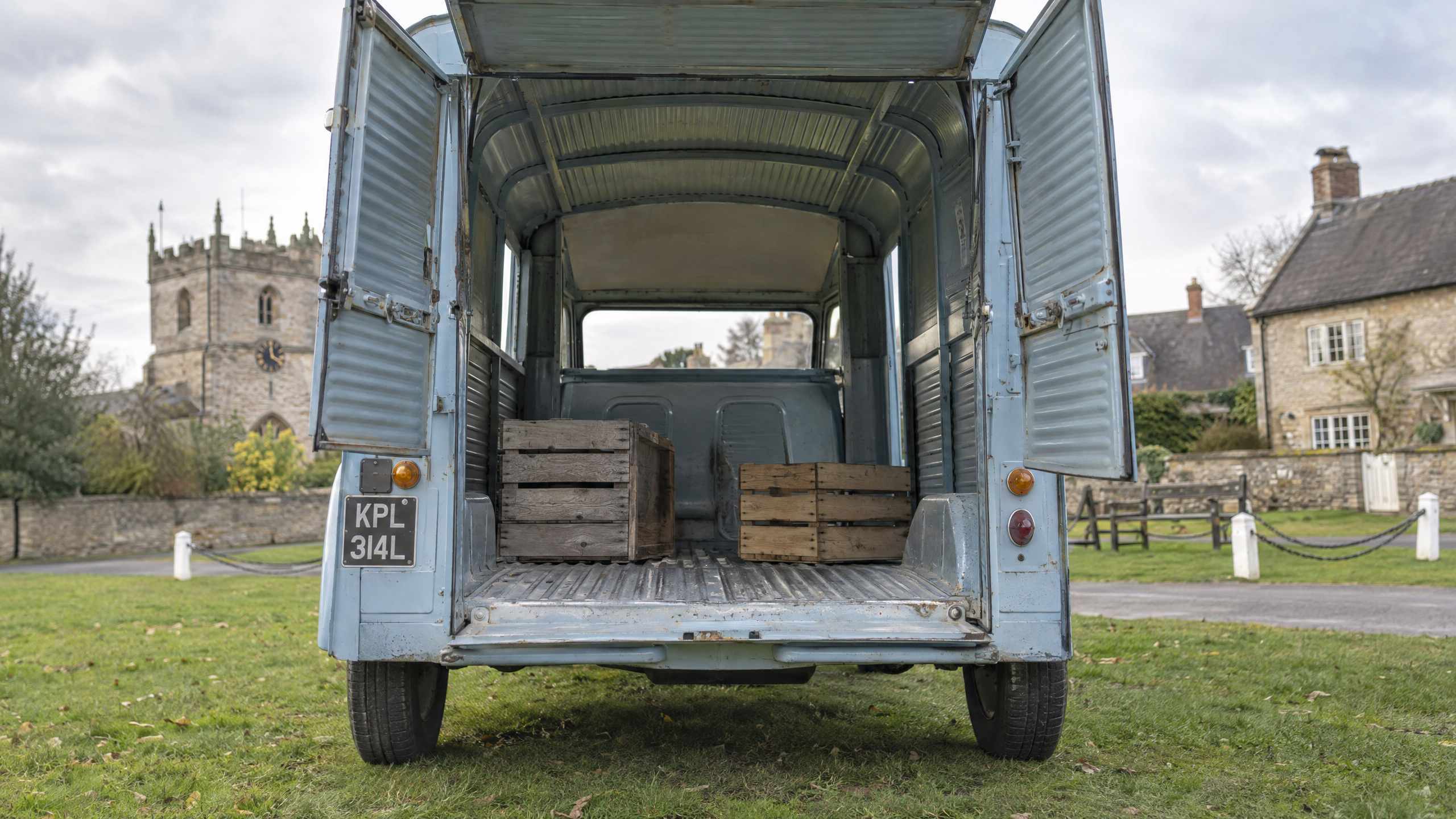
The low floor is brilliant. Just make sure it is still a floor and not a decorative theory.
Engines, gearboxes and maintenance
The petrol vans are usually the more appealing choice for relaxed classic use. They are still slow, but less grim than the period diesels, which can be noisy and underpowered even by the generous standards of old commercial vehicles. Regular servicing matters because the original petrol engines do not have an oil filter. Correct oil, frequent changes and a history of routine attention are not optional fussy owner behaviour. They are the difference between charming old engineering and a rebuild invoice.
Check the gearbox carefully on a test drive. First gear is unsynchronised, so do not panic if it resists being selected while rolling. Worn synchromesh on second, bearing noise or an awkward change once warm are different matters. The brakes should also be checked by somebody who knows the model. A good HY can stop properly, but tired adjustment or neglected hydraulics are not details to shrug off because the van happens to look friendly.
Should you buy one?
Buy a Citroën HY if you want a classic with genuine presence and a job to do. It is wonderful for a small business, a camper conversion, a promotional vehicle or simply a weekend toy that will cause strangers to smile at traffic lights. It is much more charismatic than a modern van and far less likely to be mistaken for a contractor arriving to replace somebody’s boiler.
Do not buy one because it looks simple. Buy the best structure you can find, check any conversion with the same suspicion you would apply to a house extension and keep a sensible repair fund. The HY is not refined, quick or carefree. It is something better. It is a highly useful piece of French eccentricity that has somehow made a life of hard work look like a very good day out.
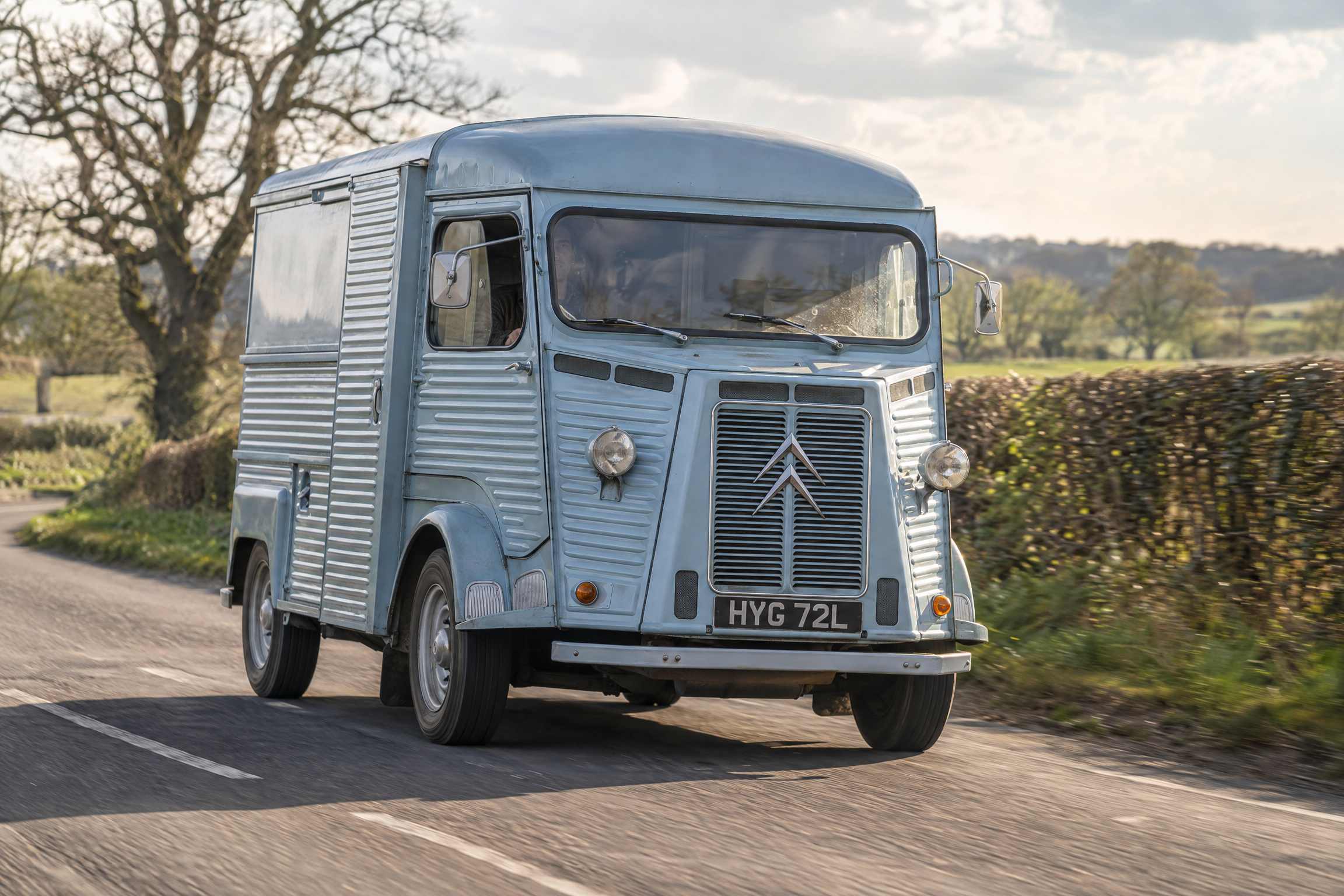
The pace is relaxed. The arrival is unforgettable.
The Toyota Land Cruiser BJ40 and FJ40 are proof that a vehicle does not need leather, mood lighting...
A classic car show is not just a gathering of cars. It is a temporary village built from folding...
When Audi unveiled the R8 at the 2006 Paris Motor Show, the sports car establishment had to shuffle...
