


.png?width=26&height=26&name=youtubemobile%20(Custom).png)
.png?width=26&height=26&name=instgrammobile%20(Custom).png)

We have all done it. You are driving down a winding B-road, the sun is shining, and you spot an...



We have all done it. You spend your formative years staring at a bedroom poster, memorising a top speed you will never legally use and promising yourself that one day, after the lottery win or the mysterious discovery of a wealthy relative, the car will be yours. In your imagination it starts instantly, fits you perfectly and causes complete strangers to applaud as you arrive at a petrol station.
Then, decades later, somebody hands you the keys. You discover the steering requires the shoulders of a blacksmith, the pedals were apparently positioned during a power cut and your childhood hero has the ventilation of a garden shed in August. The poster did not technically lie. It simply left out everything below the door handles.
The wedge of physical discomfort
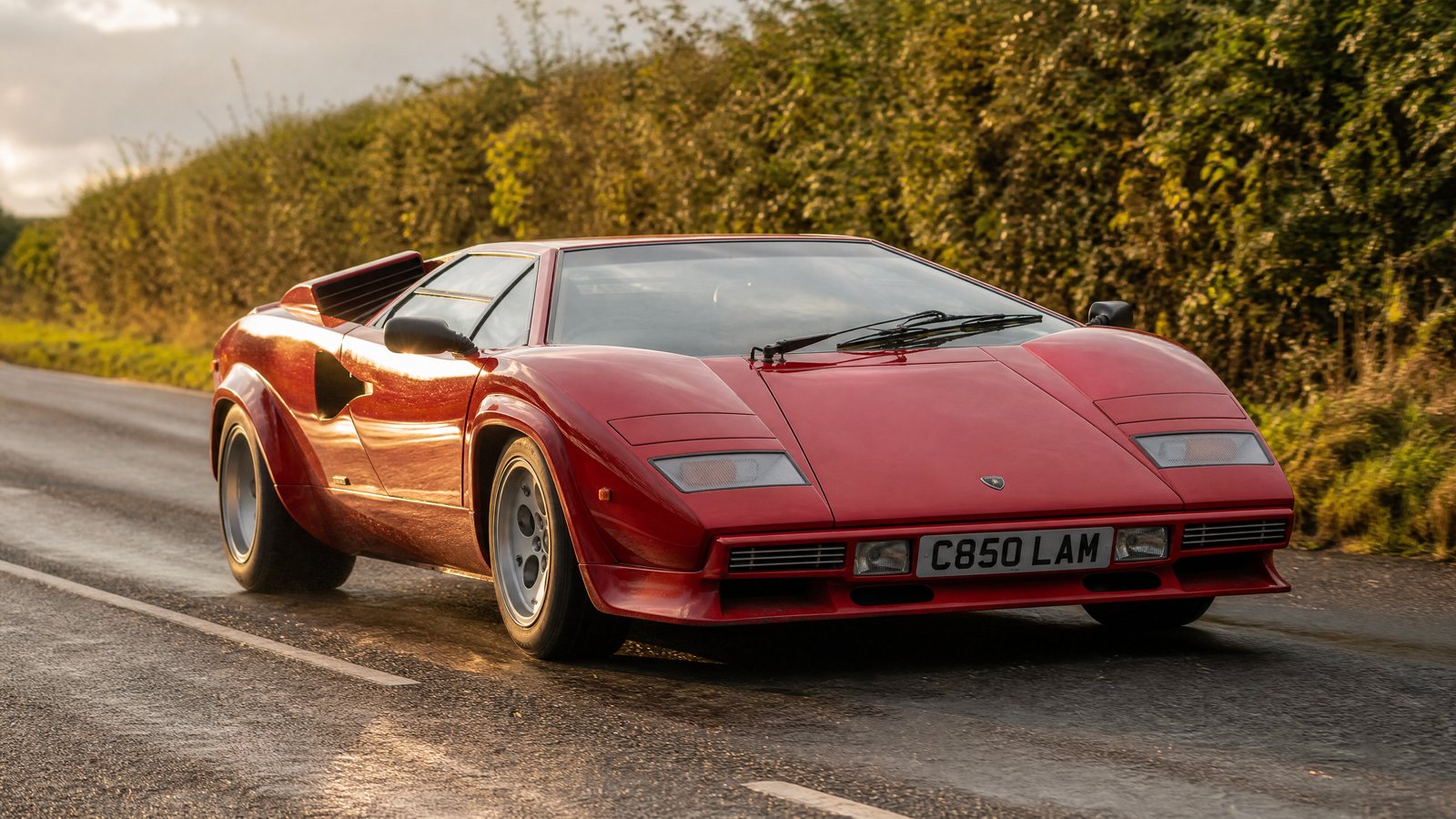
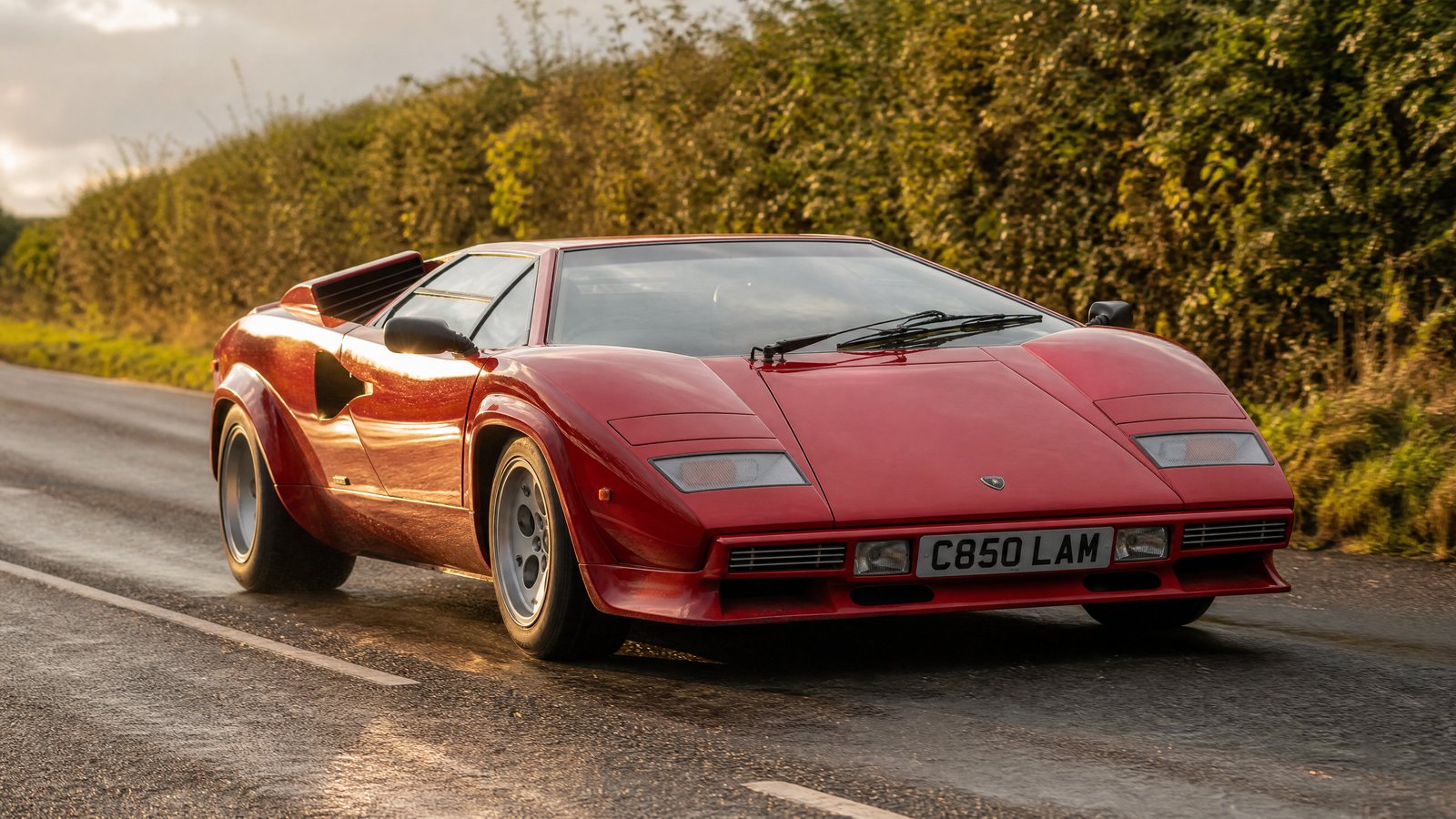
The Lamborghini Countach is the obvious place to begin because, for an entire generation, it was less a car than compulsory bedroom furniture. Marcello Gandini gave it a shape so outrageous that it still makes modern supercars look as if they were designed by a committee discussing parking sensors. The scissor doors rise, the crowd gathers and, for one glorious moment, you are ten years old again.
Then you try to get in. A Countach asks for short legs, long arms and the ability to fold at several points not recognised by medical science. The clutch is heavy, the steering barely acknowledges low speed instructions and the view behind is so poor that owners reverse while sitting on the sill with the door open. The cabin can become fiercely hot and the side windows offer an opening roughly suitable for posting a birthday card. Above about 30 or 40 mph the steering wakes up and the car begins to make sense, but first you must survive the retail park.
The time machine with no urgency
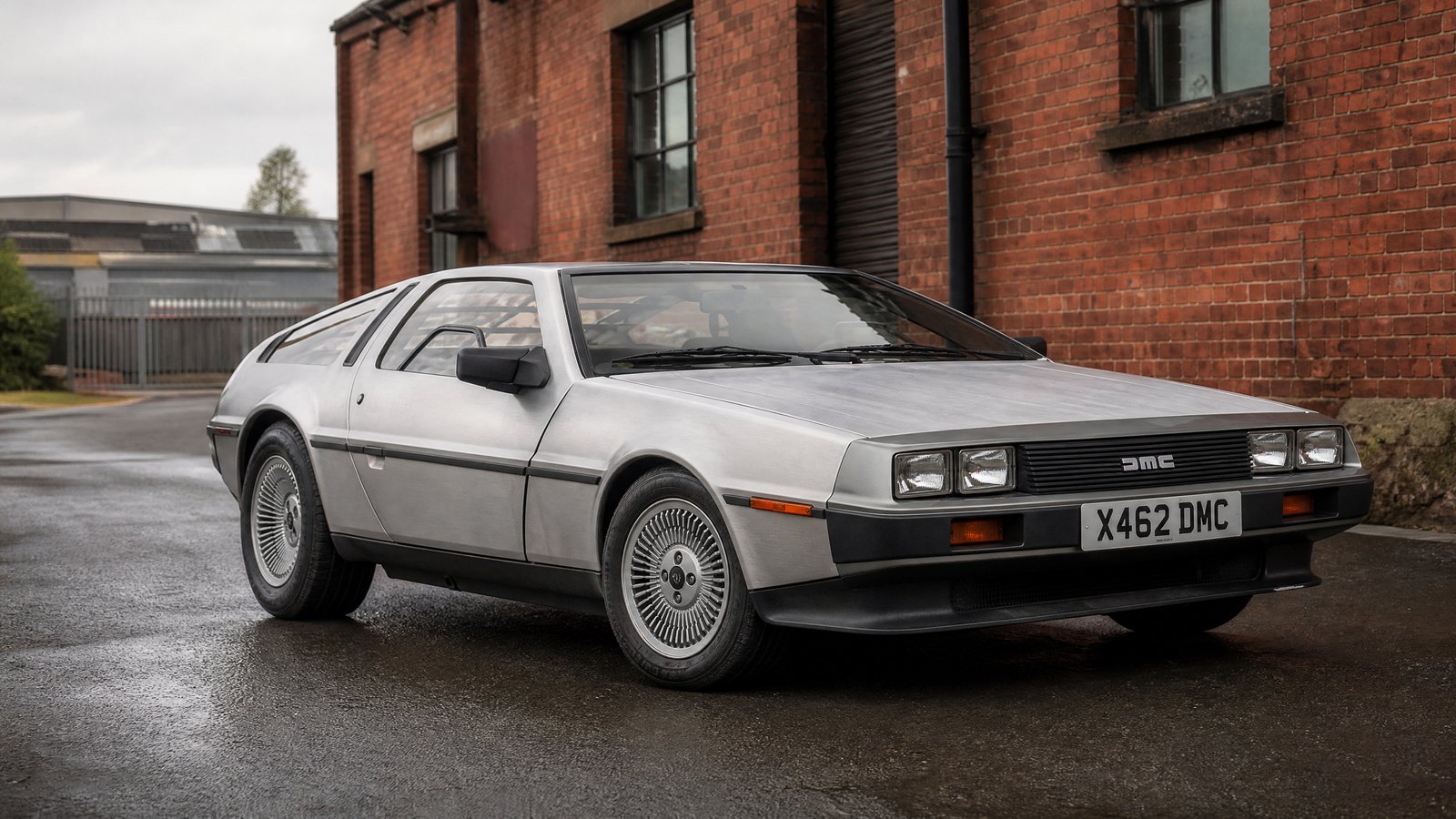
The DeLorean DMC 12 has suffered more than most from the difference between cinema and reality. On screen it outran gunmen, tore through time and arrived in the Wild West. In real life, it has stainless steel bodywork that displays every fingerprint, doors that turn any arrival into theatre and performance that gives you plenty of time to think about where you are going.
A period test of the standard United States specification car recorded 130 bhp and a 0 to 60 mph time of 10.5 seconds. European tuning and later upgrades can change the figures, but no ordinary DMC 12 delivers the violence promised by its shape. The thick pillars and rear louvres restrict the view, the steering feels heavier than expected and the seats provide less support than their leather suggests. It is still charming, unusual and capable of attracting a crowd outside a garden centre. You just may struggle to leave before they do.
Bond's beautiful arm workout
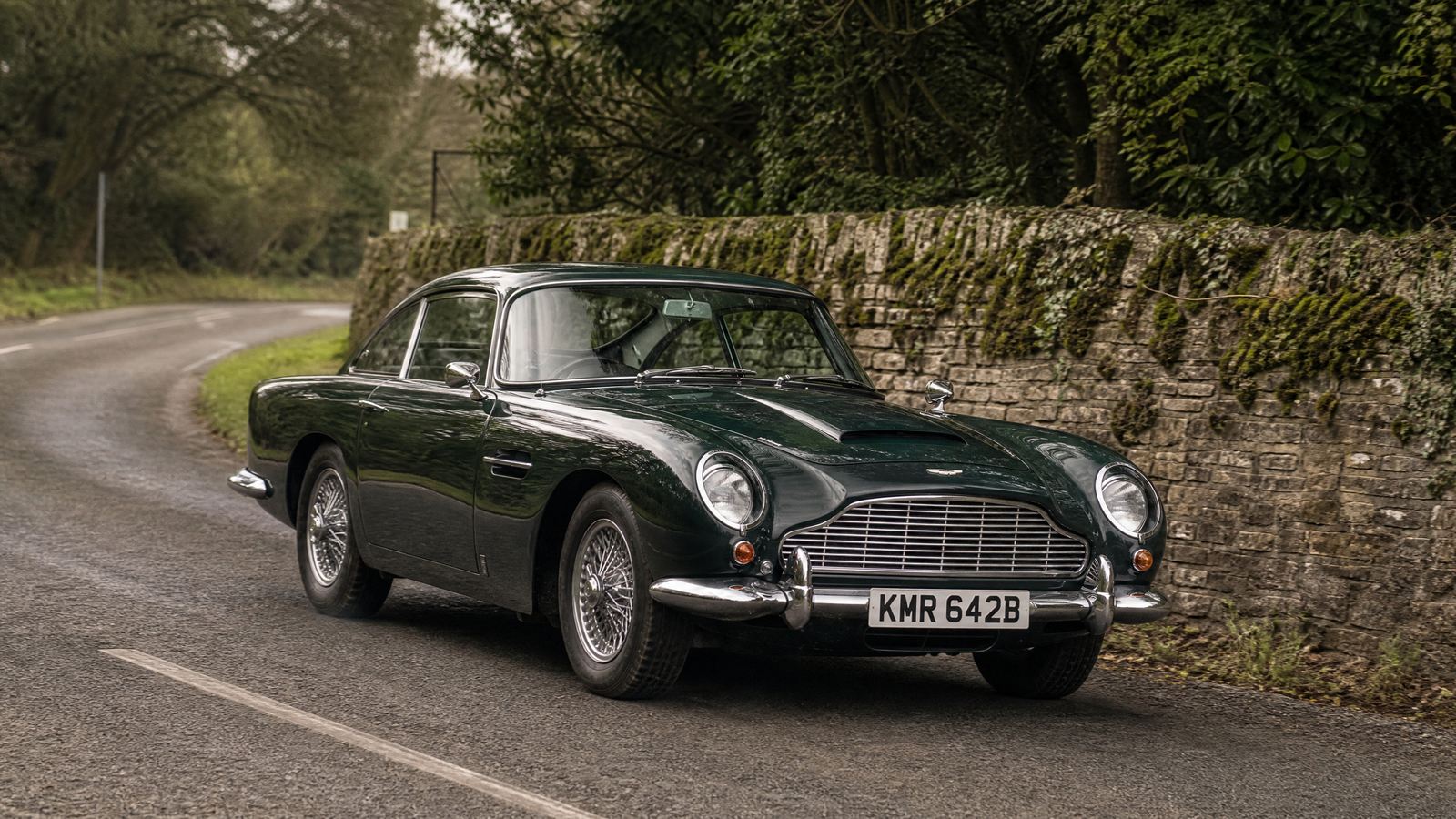
The Aston Martin DB5 arrives carrying more cultural baggage than most airports. James Bond made it look fast, effortless and perfectly suited to destroying the property of foreign governments. In silver paint it seems to promise that every journey will involve an Alpine pass, an immaculate dinner jacket and a hotel receptionist who already knows your name.
What it actually offers is a wonderfully smooth 4.0 litre straight six inside a heavy, softly sprung grand tourer. The steering becomes tremendously weighty in a corner, the body leans, wind noise gathers around the front wings and the small gear lever needs a surprisingly determined hand. None of this makes the DB5 bad. It simply means Bond must have had forearms like a competitive lumberjack and considerably more patience than the films suggested.
The Mustang in your head does not exist
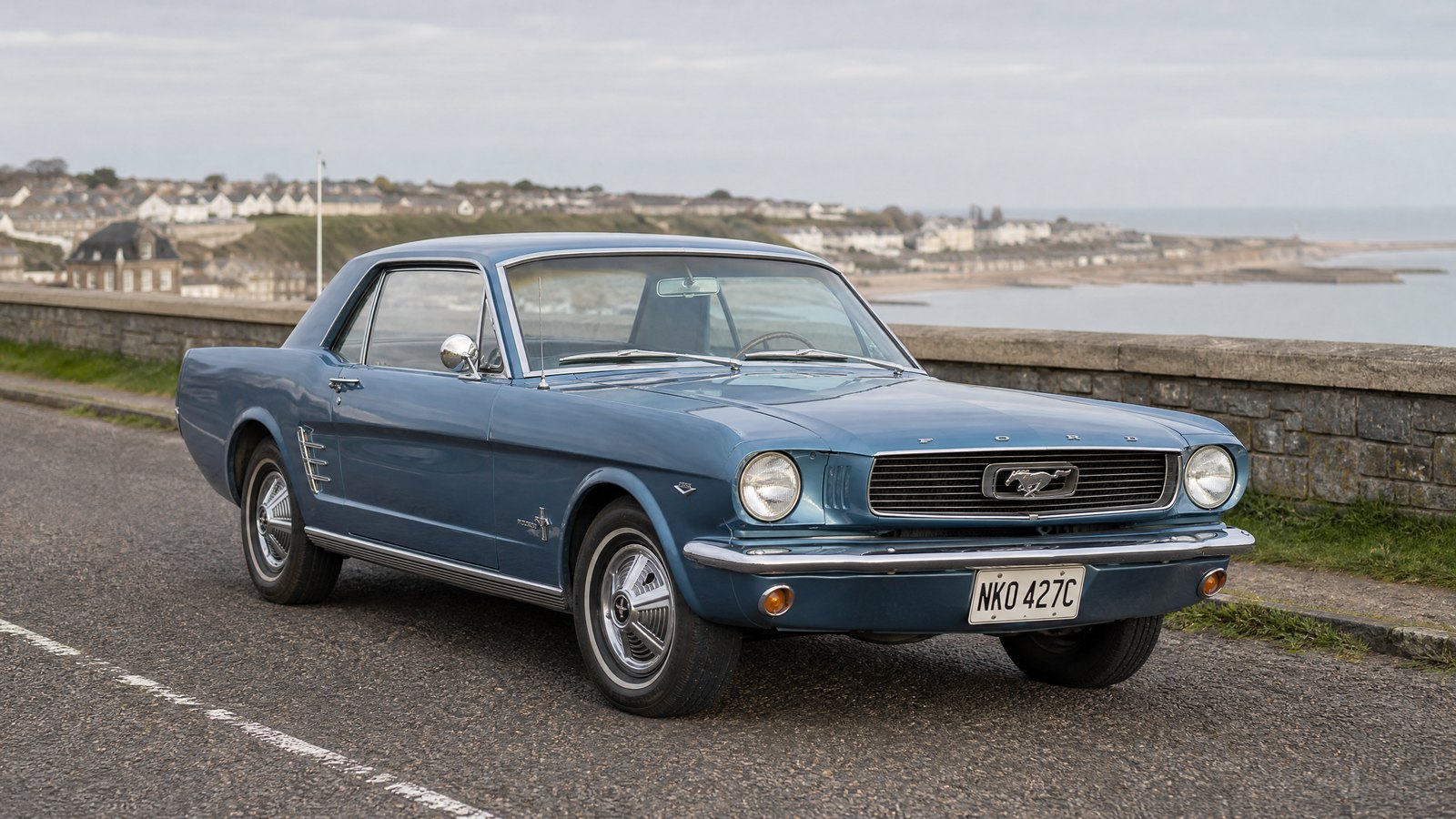
The first generation Ford Mustang is especially dangerous because the hero version in our minds is usually a greatest hits album. It has a little of the 1968 car from Bullitt, some Shelby GT350 menace, the best V8 soundtrack ever recorded and absolutely none of the ordinary specification that made the Mustang affordable in the first place. Then you meet a perfectly respectable 1965 coupe and wonder where Hollywood has hidden the rest of it.
Many 289 V8 cars produced 200 or 225 bhp, rather than the rare K code engine's claimed 271 bhp. Even a period test of that High Performance model noted its heavy front weight bias, strong understeer and muscular manual steering. Front discs were optional, while the V8 drum brakes tested at the time were described as barely adequate in normal use and too quick to fade for safe high speed stopping. The Mustang still sounds magnificent, but in the wrong specification it changes direction like a supermarket trolley carrying paving slabs.
The widowmaker who makes you wait
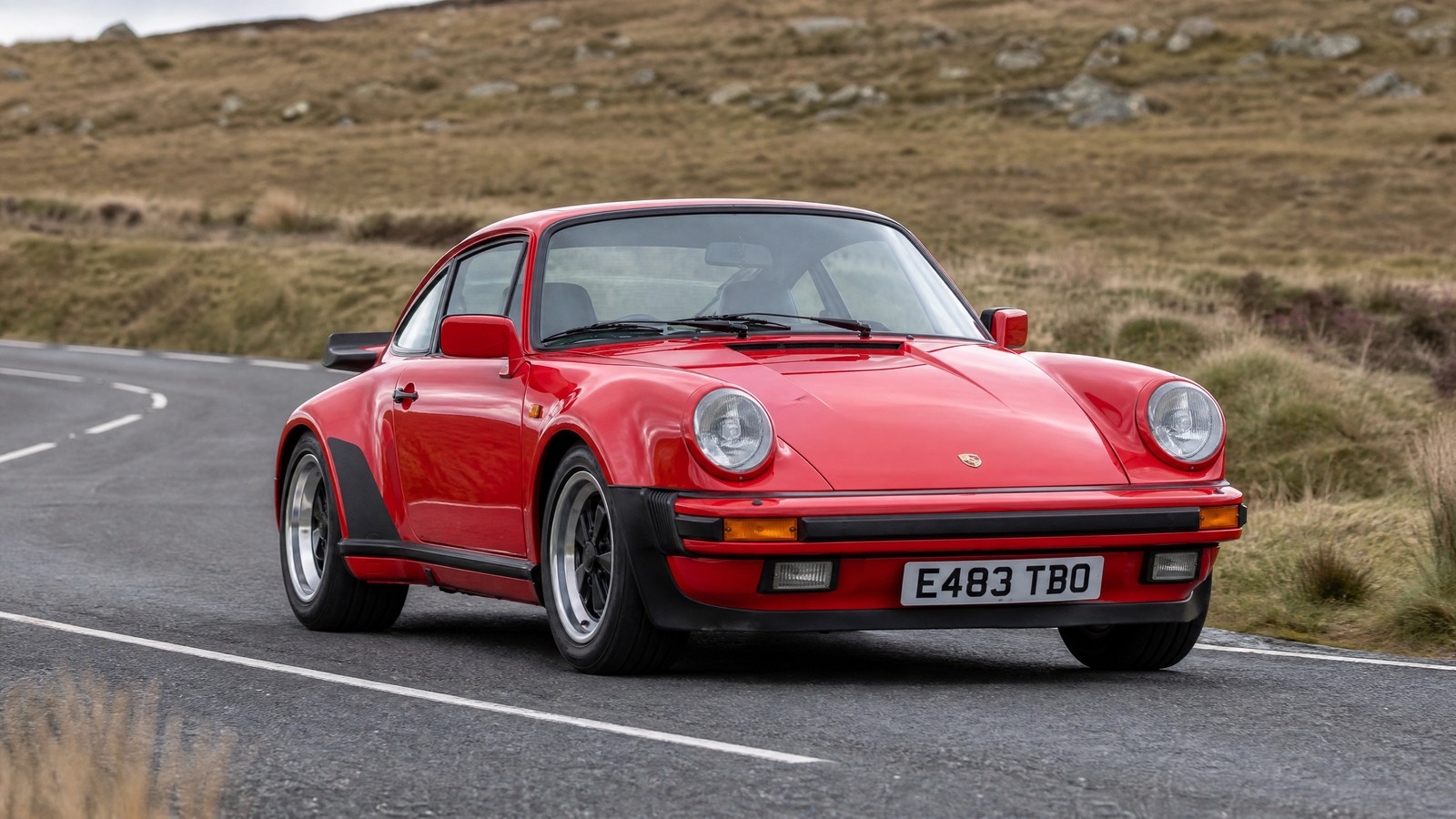
The Porsche 911 Turbo 3.3, known to enthusiasts as the 930, built a reputation so frightening that merely buying one seemed to require a signed note from your next of kin. Its vast rear wing, swollen arches and unfortunate association with ambitious men wearing red braces turned it into the definitive 1980s status symbol. The nickname Widowmaker did the rest.
The surprise is that it is not constantly trying to kill you. Driven smoothly, a good 930 is communicative and far more manageable than the legend suggests. Its real party trick is making you wait. Press the accelerator at 3,000 rpm and very little occurs; reach roughly 4,000 rpm and the turbo delivers the missing performance in one great shove. The pedals are heavy and offset, the four speed gearbox can be stubborn when cold and the heater controls appear to require an evening course. It is demanding, certainly, but the popular story of an uncontrollable assassin is more dramatic than the car.
The world's most beautiful qualification
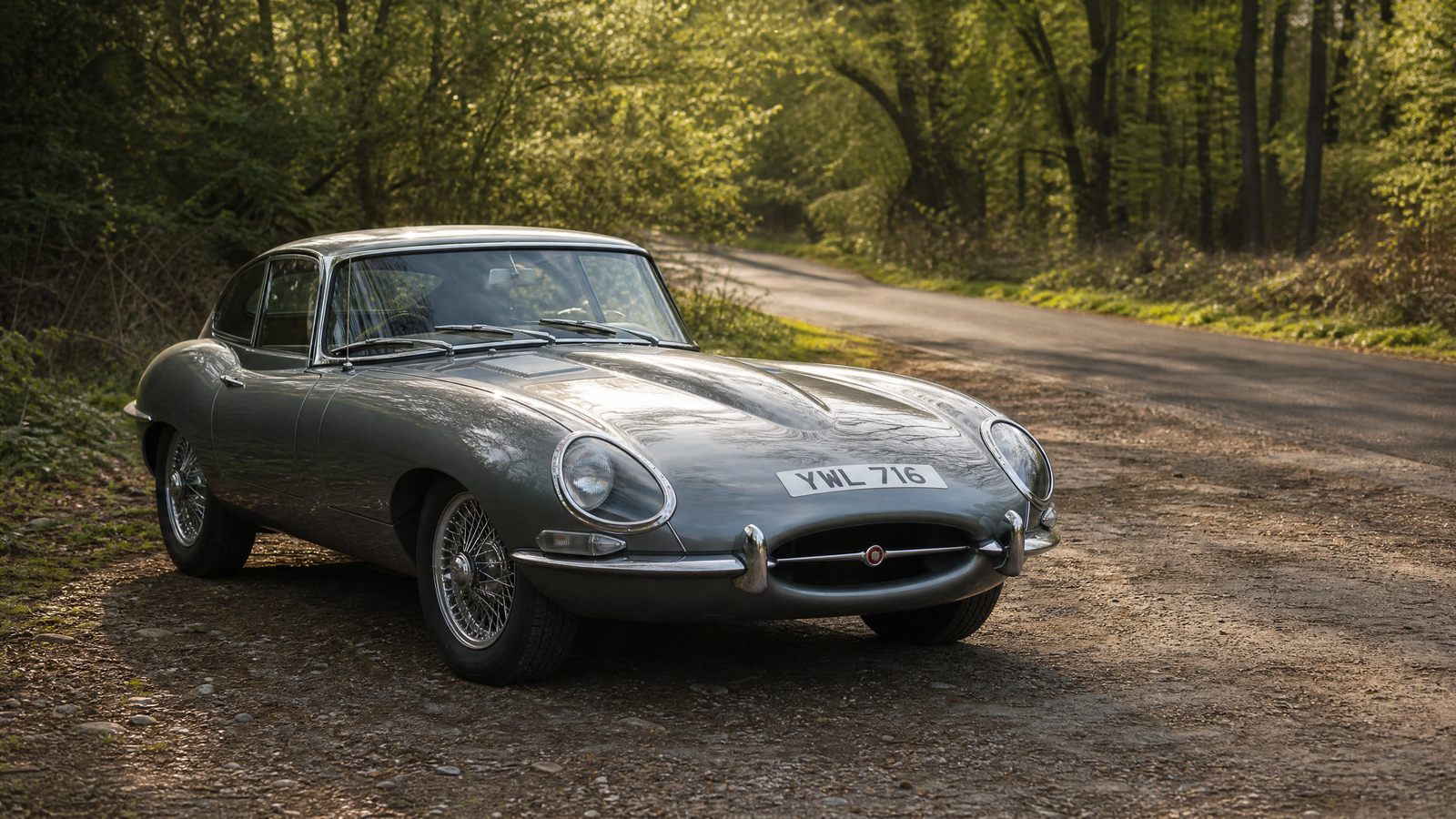
The Jaguar E Type Series 1 may be the hardest hero to criticise because you have to walk past it before getting in, and walking past an E Type can reset a person's judgement. That long bonnet, tiny cabin and delicate detailing made it look impossibly advanced in 1961. The famous 150 mph claim helped too, although the headline figure came from specially prepared press cars running on racing tyres.
An early 3.8 litre car also brings the Moss gearbox, with an unsynchronised first gear and an action that rewards anyone who already understands double declutching. Later 4.2 litre cars gained a friendlier all synchromesh gearbox, but even a good Series 1 has brakes that feel modest beside modern machinery and very early flat floor cars can be cramped for taller drivers. If the three SU carburettors drift out of tune, the straight six can cough instead of sing. It remains breathtaking. It merely expects you to make an effort in return.
The problem is not the car
At this point, owners of all six cars will be preparing strongly worded emails, possibly typed with one hand while the other polishes something. They can relax. These are not bad cars. A properly sorted E Type is supple and precise, a Countach becomes wonderfully alive once it is moving and the 930's sudden rush of boost is the sort of experience modern engineers have spent decades smoothing out of existence.
The real problem is expectation. We compare an old car with a fantasy assembled from posters, films, auction prices and thirty years of longing, then act surprised when it has heavy controls and brakes from the era in which it was built. Condition matters too. A tired example can make a brilliant design feel dreadful, while a well maintained car may explain the legend within the first mile.
So should you meet your hero?
Probably, but approach with the emotional discipline of somebody viewing a house described by an estate agent as full of character. Do not expect modern speed, silence or convenience. Learn which version you are driving, allow the controls to warm up and remember that many famous performance claims were created when optimism was part of the standard equipment.
Your hero car may be hot, cramped, noisy and slower than a modern family hatchback. It may also smell of leather and warm oil, make a noise you remember for weeks and turn an ordinary drive into an event. The poster gave you perfection. The car gives you a story. Frankly, the car has the better offer.
We have all done it. You are driving down a winding B-road, the sun is shining, and you spot an...
There are moments in classic car ownership that test our resolve, and seeing a sudden plume of...
It happens to the best of us. You are cruising along the A14, enjoying the mechanical symphony of...

