


.png?width=26&height=26&name=youtubemobile%20(Custom).png)
.png?width=26&height=26&name=instgrammobile%20(Custom).png)


When it comes to classic cars, we often find ourselves discussing provenance, patina, and the...
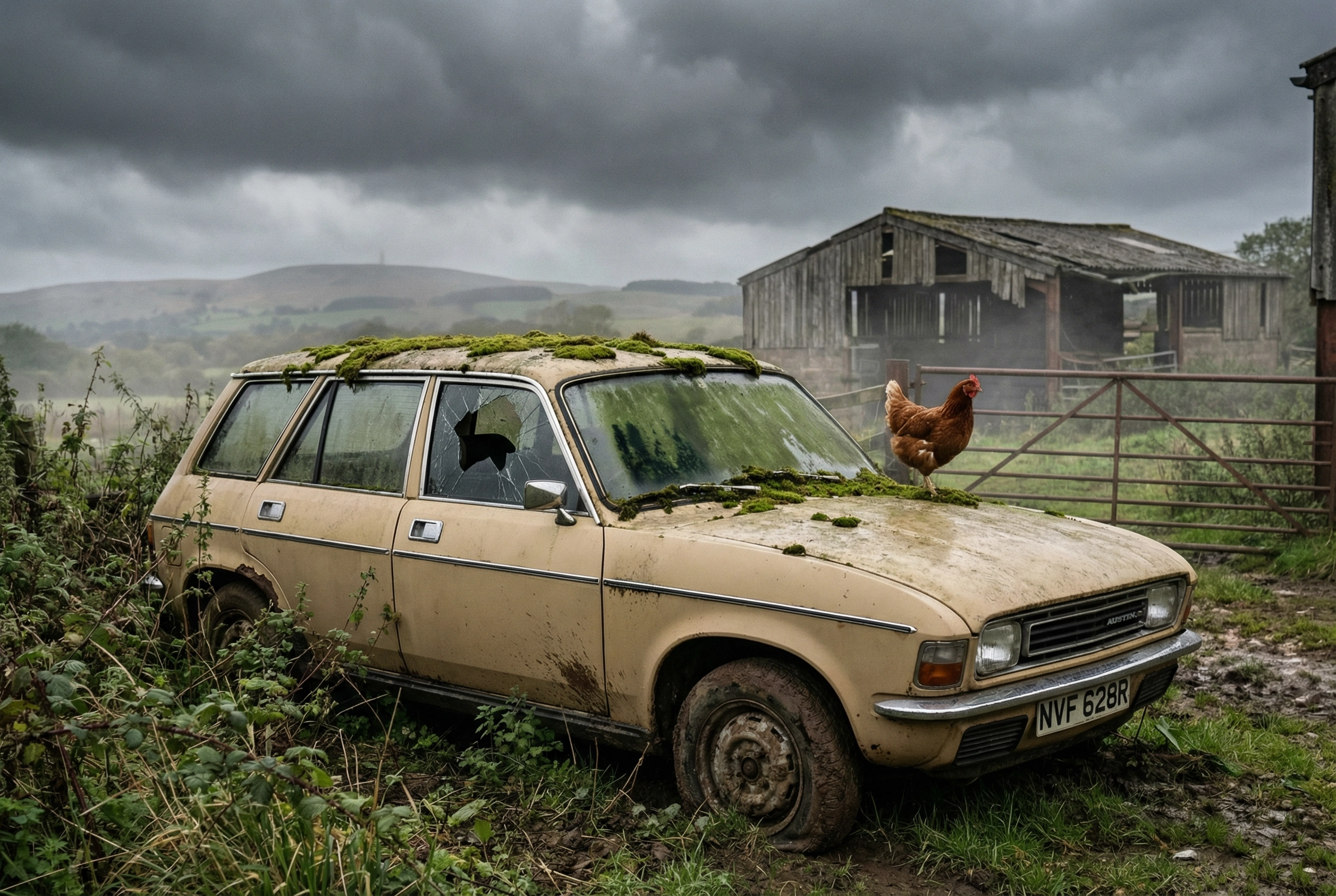




Welcome, fellow travellers, to the murky and often bewildering world of classic car classifieds. It's a place where hope springs eternal, where dreams are born, and where the English language is stretched to its absolute breaking point. If you've ever found yourself staring at an advert, utterly baffled by what it's trying to tell you, then fear not. I am here to help. Think of me as your personal, slightly cynical, translator. Your guide to the hidden truths that lurk behind the optimistic jargon.
For years, sellers have been using a secret language, a carefully crafted code designed to make a rust riddled wreck sound like a concours contender. They've been getting away with it for too long. It's time to pull back the curtain, to expose the truth, and to have a good laugh at the sheer audacity of it all. So, grab a cup of tea, get comfortable, and prepare to have your illusions shattered. This is the secret language of classic car adverts, translated for your reading pleasure.
Runs and drives
Let's start with a classic, shall we? "Runs and drives." On the surface, this sounds promising. It suggests a car that is, at the very least, capable of forward motion. The reality, however, is often somewhat different. What it really means is that the engine coughed into life once, back in the spring of 2019, and the car successfully moved from one side of the garage to the other. It has not been started since, for fear of it immediately catching fire.
It's a phrase that's technically true, in the same way that a chocolate teapot is technically a teapot. It will function, but only for a very, very short amount of time, and the results are likely to be messy. When you see "runs and drives," you should immediately translate it to "runs from a can of easy start and drives straight to the scene of a breakdown." You have been warned.
Light patina
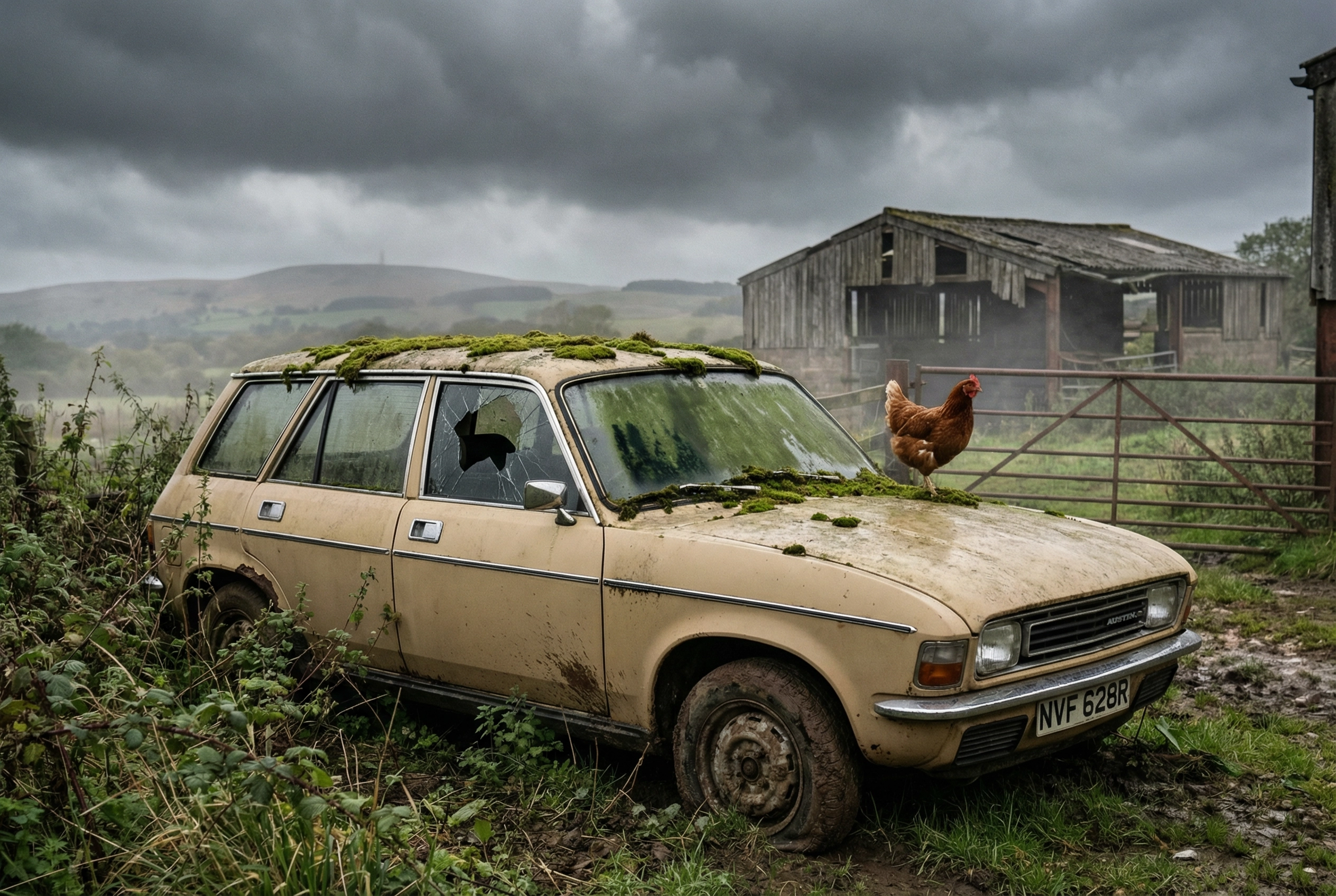
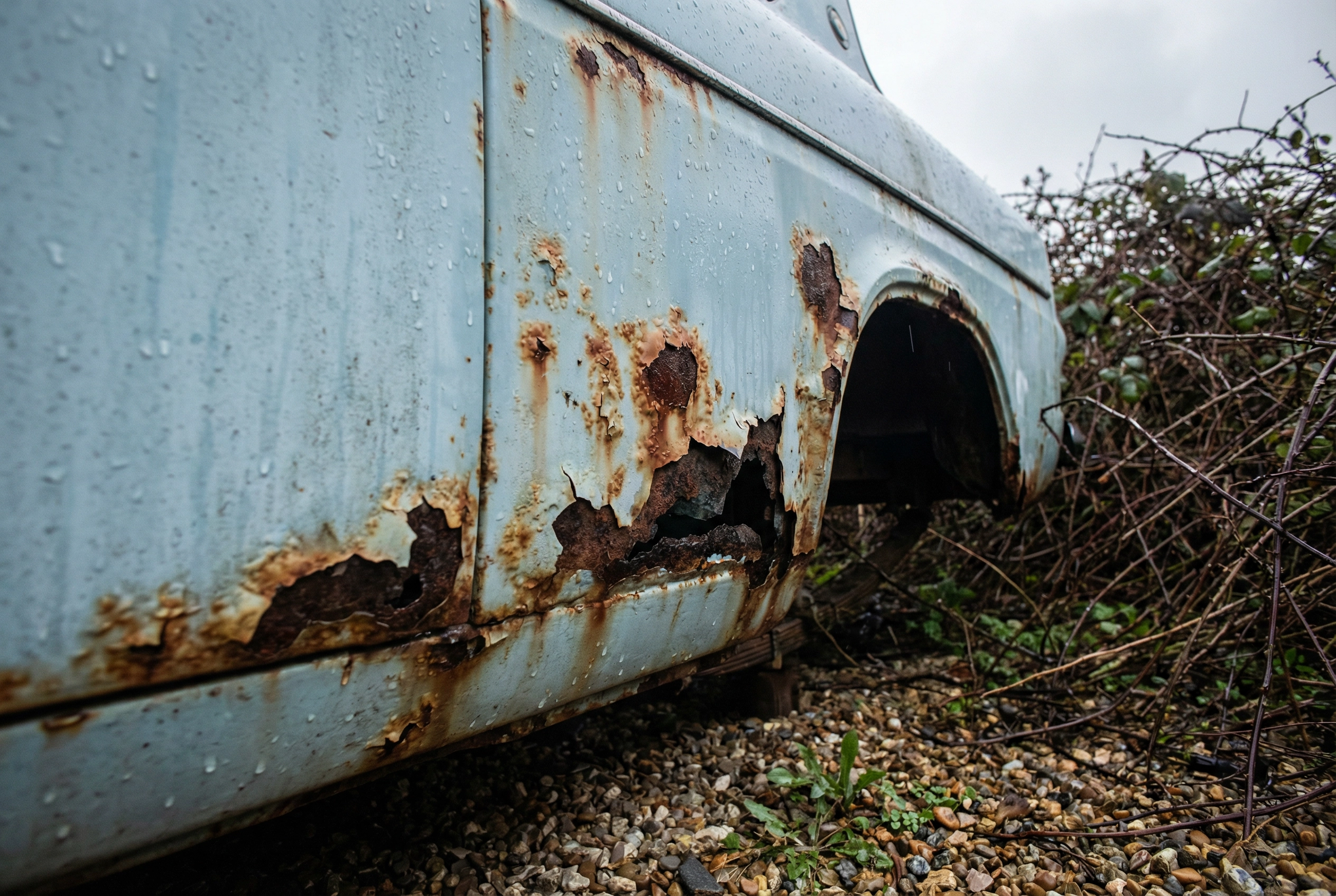
Ah, "patina." The most abused word in the classic car lexicon. It conjures up images of a car that has aged gracefully, a car that wears its history with pride. It suggests a gentle, pleasing fade to the paintwork, a story etched into its very soul. What it actually means, in ninety nine percent of cases, is rust. Lots and lots of rust. The kind of rust that makes you question the structural integrity of the entire vehicle.
"Light patina" is the seller's way of saying that the car is slowly returning to the earth from whence it came. It's a polite euphemism for the kind of corrosion that would make a ship's captain weep. So, when you see "light patina," don't picture a distinguished old gentleman of a car. Picture a rusty, crumbly biscuit that's about to disintegrate in your hands. And for goodness sake, get a tetanus shot.
Reluctant sale
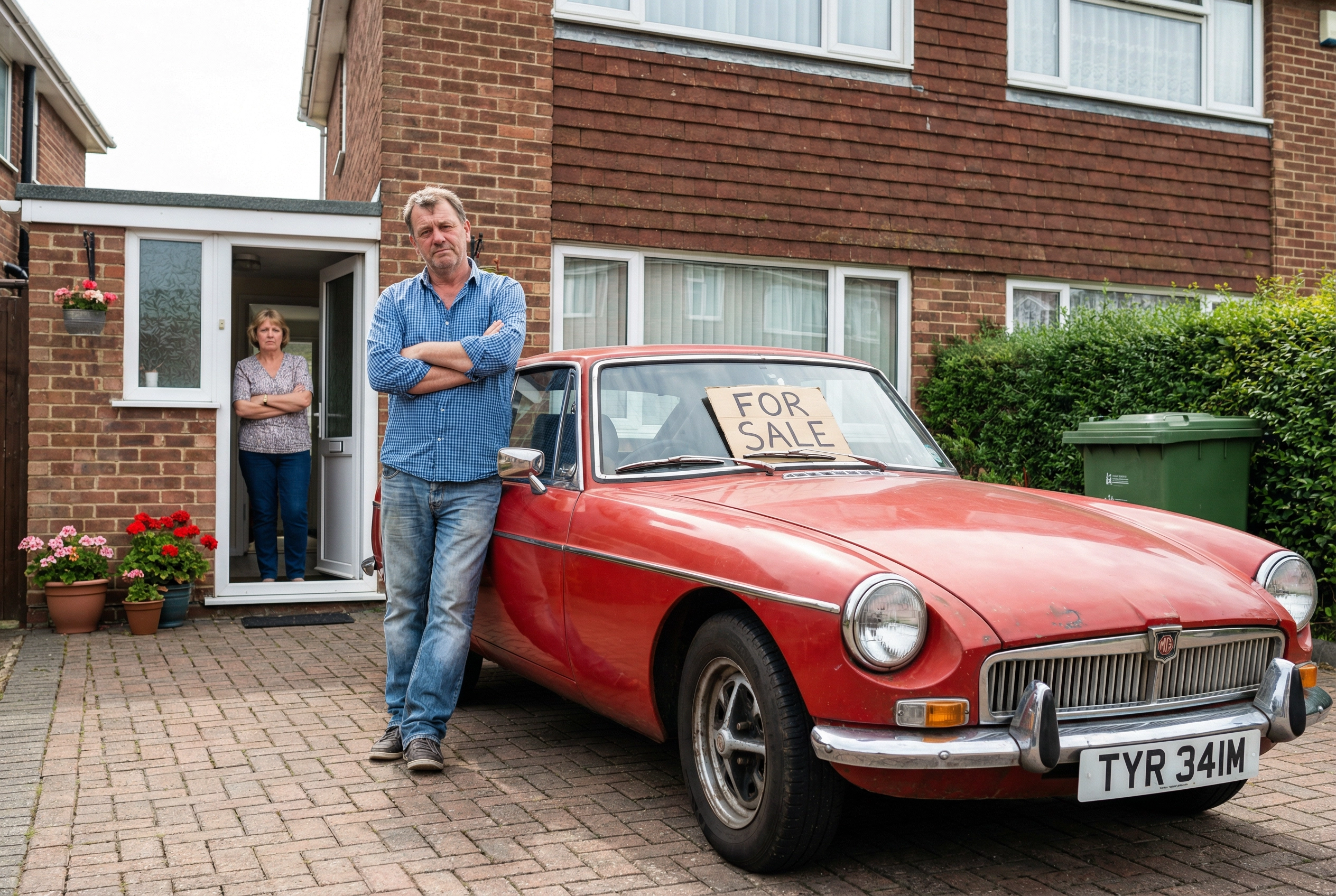
This one is a personal favourite. "Reluctant sale." It paints a picture of a seller who is heartbroken to be parting with their pride and joy. They've cherished this car, they've loved it, and they're only selling it because of some unforeseen and tragic circumstance. It's a tale of woe, a story of sacrifice, and it's almost always a complete and utter fabrication.
What "reluctant sale" really means is that the seller's long suffering partner has finally put their foot down. They've discovered the mountain of receipts hidden in the shed, they've realised that the 'investment' is actually a money pit, and they've issued an ultimatum. It's either the car or them. So, the seller is reluctantly selling the car, in the same way that a fox is reluctantly selling a chicken. They've been caught, and now they have to face the consequences.
Needs some TLC
This is perhaps the most dangerous phrase of them all. "Needs some TLC." It sounds so gentle, so manageable. A bit of tender loving care. How hard can that be? You picture yourself spending a pleasant weekend polishing the chrome and tightening a few loose screws. The reality is that "TLC" stands for "Total Life Commitment." This car doesn't need a bit of a polish; it needs a full, ground up, nut and bolt restoration.
It needs an engine rebuild, a new chassis, and an interior that doesn't smell like a badger's armpit. It needs more welding than the Forth Bridge, and it will consume every spare moment of your time and every spare penny in your bank account. When you see "needs some TLC," you should run for the hills. Unless, of course, you're a glutton for punishment and you've always fancied taking up a second career as a mechanic, welder, and financial wizard. In which case, knock yourself out.
Easy project
Here we have the cousin of "needs some TLC." The phrase "easy project" is designed to lure in the unsuspecting enthusiast who fancies a bit of light tinkering. It suggests that all that's required is a new set of spark plugs and a quick wash, and you'll have a show winning classic on your hands. This, of course, is a lie. A big, fat, oily lie. An "easy project" is a car that has been taken apart by someone with no mechanical sympathy and a socket set made of cheese.
It's a jigsaw puzzle with half the pieces missing and no picture to guide you. The engine is in a box, the interior is in a bin bag, and the wiring loom looks like a plate of multi coloured spaghetti. It's a project, alright. But it's not easy. It's the automotive equivalent of climbing Mount Everest in your flip flops. It's a test of your sanity, your patience, and your ability to decipher the scribbled notes left by the previous owner. Proceed with extreme caution, and a very, very big tool box.
Priced to sell
"Priced to sell." This sounds like a bargain, doesn't it? It implies that the seller is a motivated, reasonable individual who is offering the car at a competitive price. It suggests that you're about to get a great deal, a real steal. The reality is that the car is "priced to sell" because the seller is desperate to get rid of it. They've had it advertised for months, they've had no serious interest, and they're on the verge of paying someone to take it away.
It's the automotive equivalent of a DFS sale. It's always on, and the price is always dropping. When you see "priced to sell," you should be asking yourself why. Is it because the car has a terminal case of rust? Is it because the engine is made of cheese? Or is it because the seller is a known con artist who is trying to offload a lemon? The answer is probably all of the above. So, by all means, go and have a look. But take your cynical friend with you. And a magnet.
Lots of history
Next up, we have "lots of history." This is a phrase that's designed to give the car an air of provenance, of importance. It suggests a folder full of receipts, a stamped service book, and a handwritten letter from the first owner. It implies that the car has been cherished, that its every move has been documented. What it actually means is that the car comes with a glovebox full of old MOT certificates and a Haynes manual that's covered in greasy fingerprints.
It means that the seller has kept every single receipt, including the one for the air freshener they bought in 1997. It's a paper trail of mediocrity, a history of bodged repairs and cheap parts. It's not the kind of history you want. It's the kind of history that will give you nightmares. So, when you see "lots of history," don't be fooled. It's not a sign of a well maintained car. It's a sign of a car that has had a lot of things go wrong with it. And a seller who is very, very good at keeping receipts.
Ran when parked
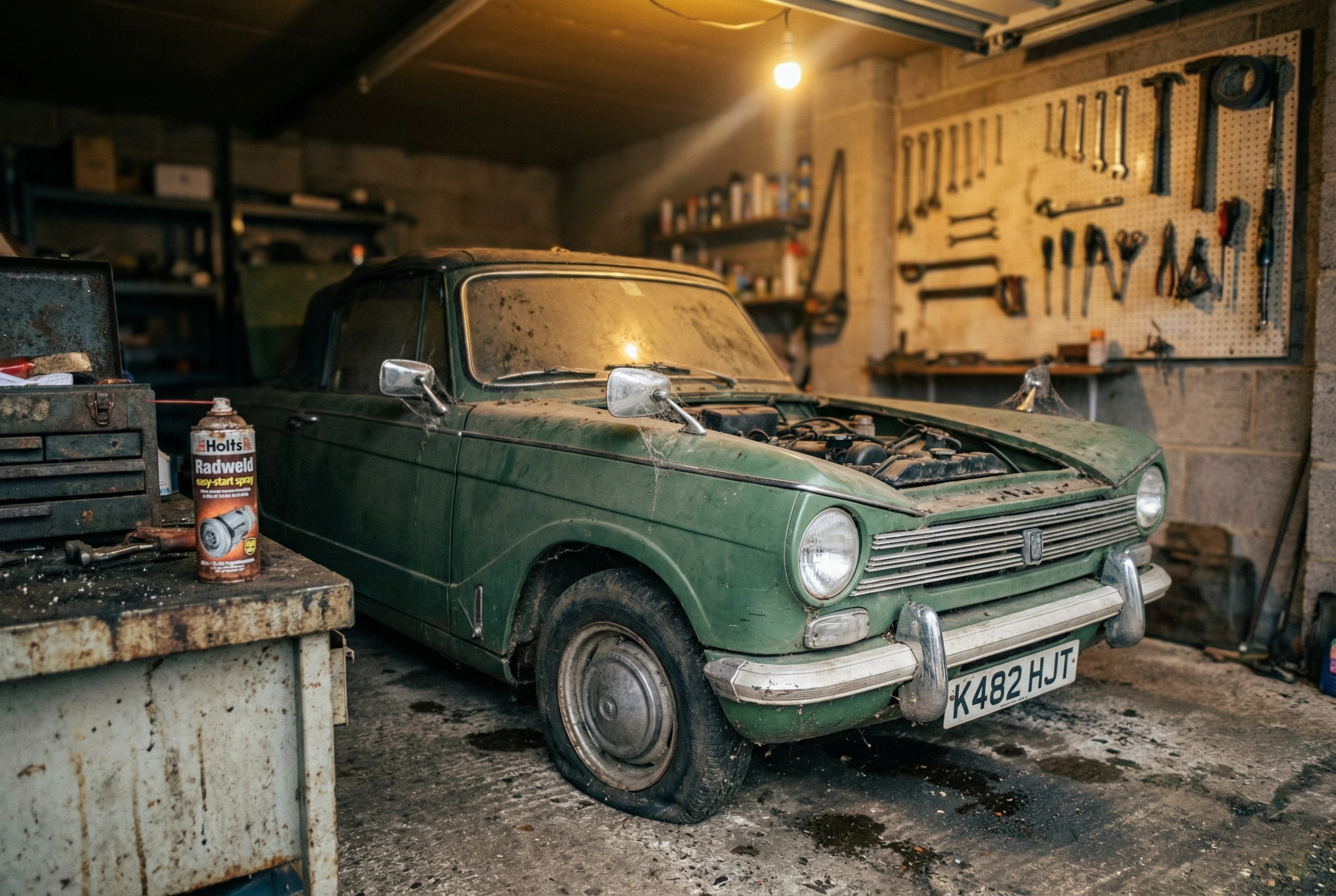
This one is a stone cold classic of the genre. "Ran when parked." It's a statement that is simultaneously reassuring and deeply alarming. It tells you that the car was, at some point in its life, a functioning motor vehicle. It also tells you that it has been sitting in a field, a barn, or behind a pub for an unspecified period of time, and nobody has had the courage to try starting it since.
The key question, of course, is when was it parked? Last week? Last year? During the Major government? The advert never says. It just hangs there, a tantalising hint of former glory. "Ran when parked" is the automotive equivalent of "he was a lovely man when he was alive." It's technically true, but it doesn't really help you in the present moment. What you're actually buying is a very expensive garden ornament that smells of old petrol and mouse droppings.
Some age related marks
This is the seller's way of acknowledging that the car isn't perfect, while simultaneously downplaying the extent of the damage. "Some age related marks" could mean anything from a tiny stone chip on the bonnet to a dent the size of a football in the driver's door. It's a catch all phrase that covers everything from minor blemishes to major structural damage, all wrapped up in a nice, non threatening package.
What it really means is that the car looks like it's been used as a dodgem at a particularly aggressive funfair. Every panel tells a story, and none of those stories have a happy ending. The bumpers have been bumped, the wings have been winged, and the boot lid looks like someone has been practising their long jump on it. But they're "age related," so that's fine, isn't it? No. No, it isn't. It's a car that's been through the wars, and the wars have won.
The honest seller's guide
So, there you have it. Your comprehensive guide to the secret language of classic car adverts. I hope this has been educational, enlightening, and at least mildly amusing. The next time you find yourself scrolling through the classifieds at an ungodly hour, you'll be armed with the knowledge to see through the flowery prose and the optimistic euphemisms. You'll know that "barn find" means "we found it in a barn and it's full of chickens," and that "one careful owner" means "one careful owner and seven absolute lunatics."
Of course, none of this will actually stop you from buying the car. That's the beautiful, maddening thing about classic car enthusiasts. We know the adverts are full of creative fiction. We know that "minor cosmetic work needed" means a full respray. We know that "drives well for its age" means it doesn't actively try to kill you on every corner. And yet, we still hand over the money, load it onto a trailer, and drive home with a stupid grin on our faces. Because at the end of the day, we're not buying a car. We're buying a dream. A rusty, leaky, unreliable dream. And we wouldn't have it any other way.
Subscribe to our newsletter and get the latest articles delivered straight to your inbox.


When it comes to classic cars, we often find ourselves discussing provenance, patina, and the...

There are few words in the classic car world more likely to start a fight than 'restomod'. To some,...
Let’s be honest, shall we? There are sensible, logical reasons to buy a classic car. You might want...
