


.png?width=26&height=26&name=youtubemobile%20(Custom).png)
.png?width=26&height=26&name=instgrammobile%20(Custom).png)


Every classic car buyer has heard the line: “The engine is bombproof.” It is usually delivered with...



If the phrase “garage kept” makes you feel as though classic car ownership belongs to somebody else, take heart. Plenty of us have a perfectly decent driveway, a car cover folded in a cupboard and a neighbour whose patience deserves a small national honour. A garage is lovely, of course. So is a heated workshop with a ramp, a kettle and shelves organised by bolt size. It is not, however, the only route into classic ownership.
The trick is to buy with your parking situation in mind rather than hoping the weather will be kind. British rain has never been particularly sentimental about an old car. Choose something usable, well supported and reasonably resistant to rot, then drive it often enough to keep it from becoming a damp, silent monument to good intentions. The five cars below are not invincible, because no classic is. They are simply realistic choices for owners whose motoring life happens in the open air.
A driveway is not a crime scene
Leaving a classic outside is not ideal, but neither is it an automatic death sentence. The real horror story is a damp car that never moves. Water sits in drains and seams, condensation lingers in the cabin and every little fault gets the chance to become a large one while the car quietly develops a new ecosystem. A car that is used, aired and checked regularly has a far better chance than one hidden under a cover from October to April.
A cover can help, provided it is the right sort. It needs to be breathable, clean and properly fitted. A cheap plastic sheet that flaps against the paint and traps moisture is less protective than it looks. Hagerty also advises airing a covered car occasionally rather than leaving it underneath for months. A simple carport can make an enormous difference too, since it keeps the worst of the rain, snow and bird droppings off the car, even though it does not create a dry indoor climate.
Volvo 240 or 940
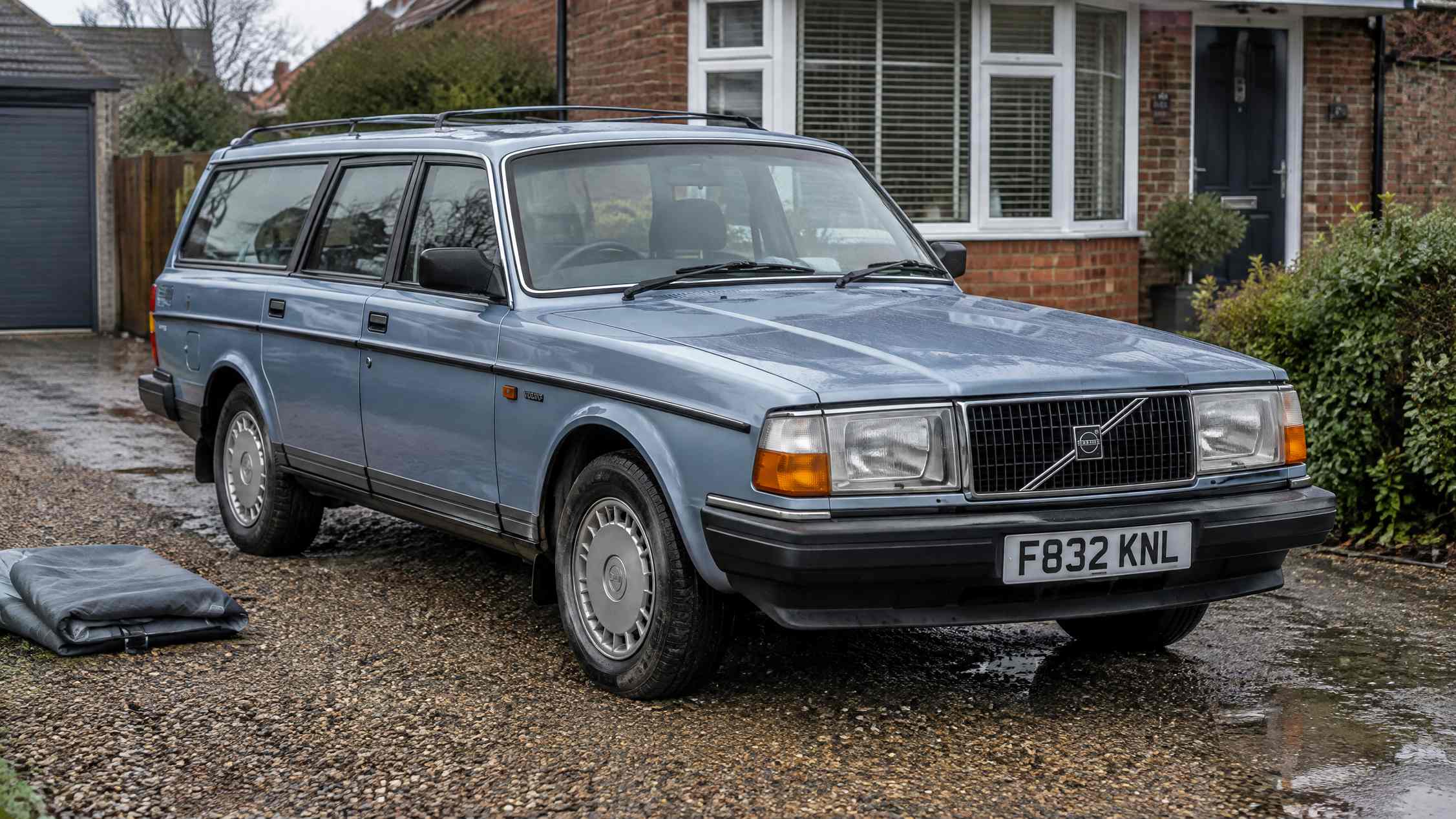
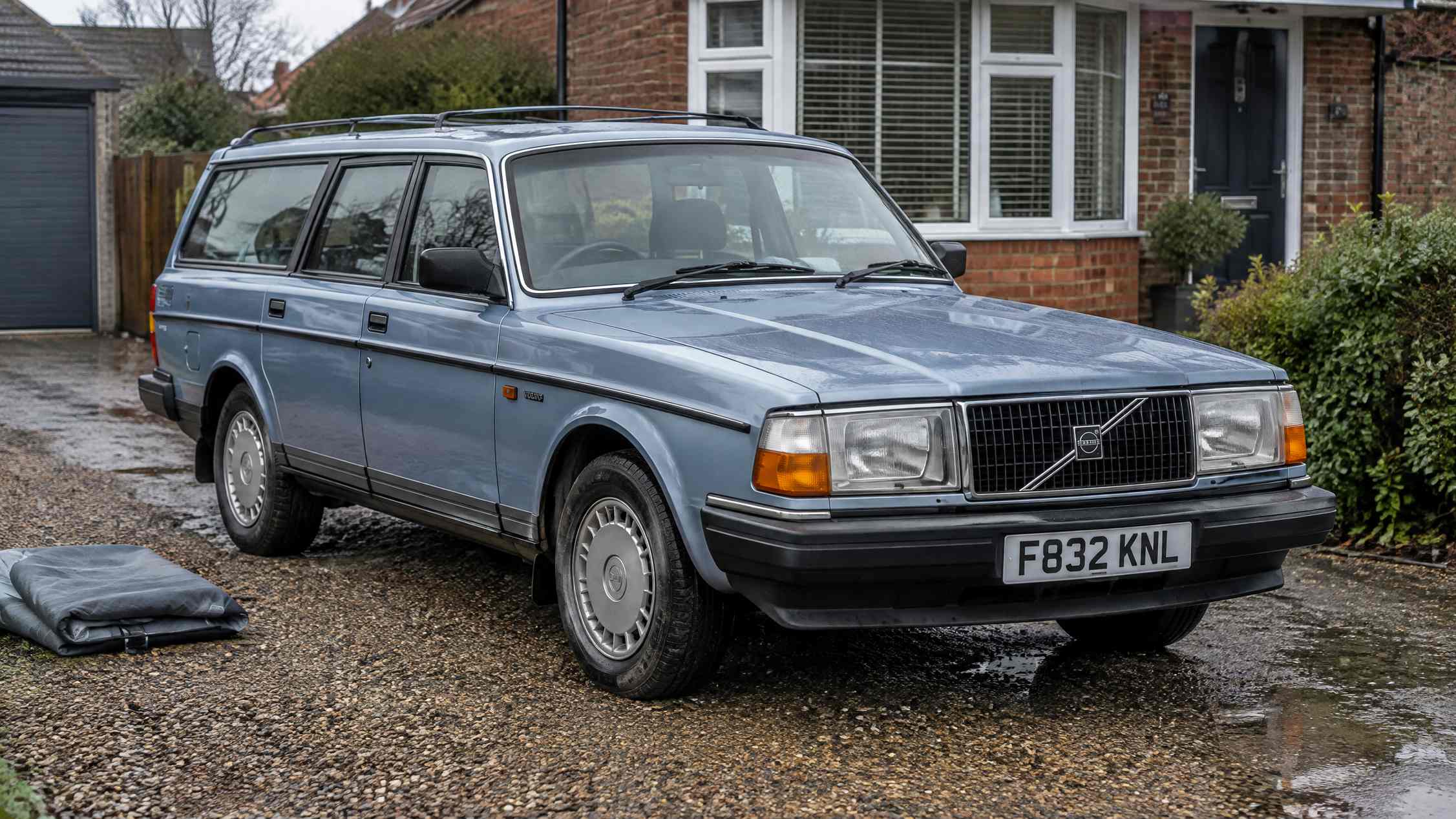
The Volvo 240 is almost offensively sensible, which is precisely why it works. It is boxy enough to be mistaken for a very determined wardrobe, but it is practical, charming in its own square way and built to take the sort of everyday use that many classics now find beneath them. An estate gives you room for bags, dogs, children, garden centre purchases and a surprising amount of regret. The later 940 is similarly sensible, a little more modern and still wonderfully unbothered by fashion.
Do not mistake sensible for rust proof. It absolutely is not. On a 240, inspect the sills, wheel arches, door bottoms, bulkhead and underneath properly before buying. Later 1988 onwards cars benefited from better corrosion protection and partly galvanised bodywork, making them especially worth seeking out. 2Find a solid one, keep the drains clear, wash road salt off when you can and use it. The Volvo will not turn your driveway into a Scandinavian design catalogue, but it may make owning a classic feel remarkably normal.
Audi 80
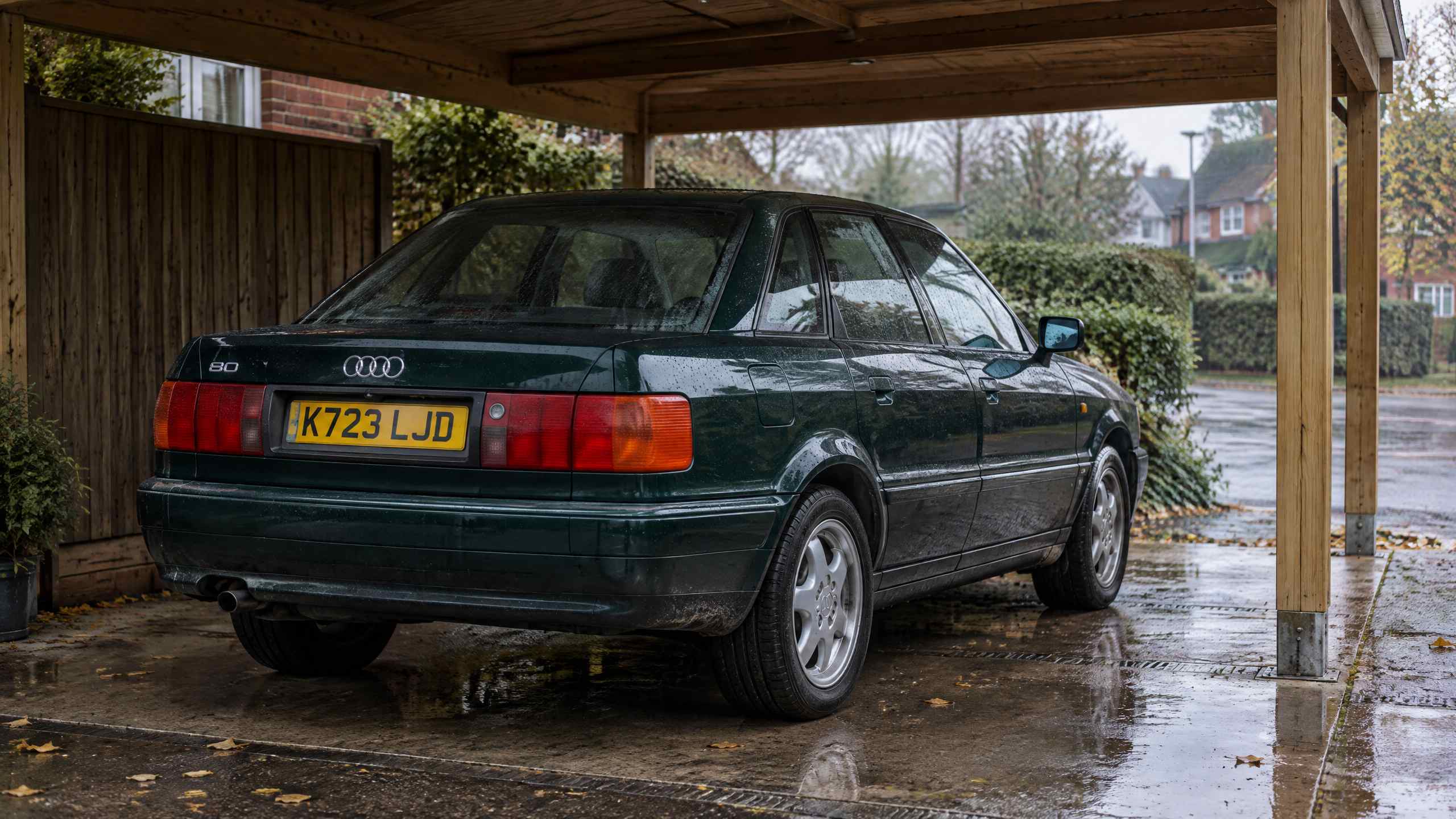
The Audi 80 is the answer for anyone who wants a classic but would rather not spend every Sunday discussing carburettors with a stranger called Nigel. The B3 and B4 generations are handsome in a quiet, slightly serious way. They drive with more polish than many older classics, make perfectly acceptable long distance cars and blend into daily life without demanding a ceremonial start up procedure.
Its big advantage is the galvanised bodywork, which gives it a better starting point against corrosion than plenty of contemporaries. That does not excuse a poor inspection. Accident repairs, neglected wheel arches and blocked drains can undo all that useful factory protection. 3The 80 is not the car for somebody wanting instant showground celebrity, but that is rather the point. It is a mature, practical choice for a buyer who wants their classic to survive a wet Tuesday in February.
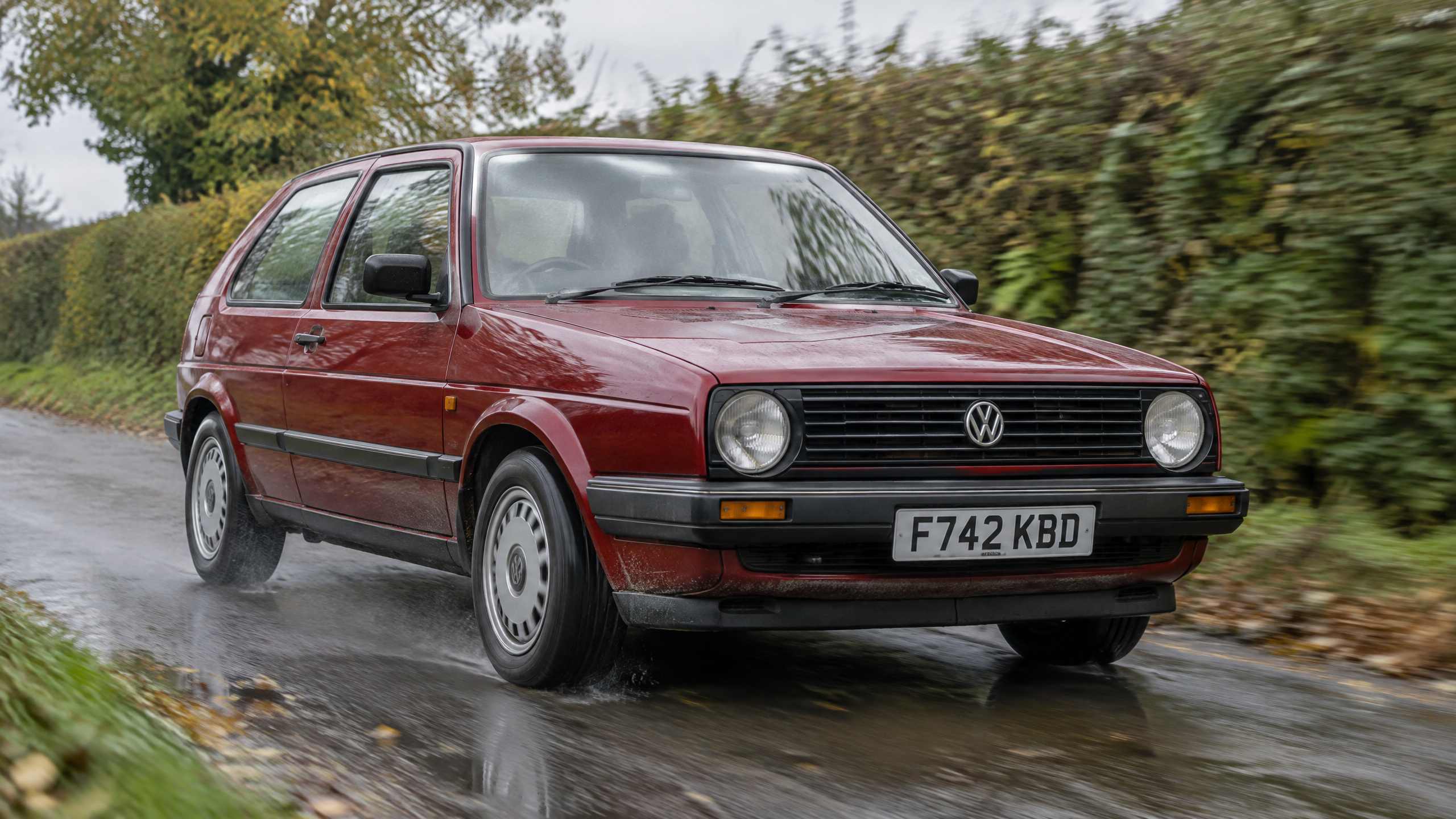
Volkswagen Golf Mk2
A Golf Mk2 makes a brilliant first classic because it still feels like a car rather than an assignment. It is compact enough for a modest driveway, easy to place in traffic and cheerful without needing to shout about it. The humble driver spec car deserves more affection than it gets. Everybody wants a GTI, but a tidy 1.3, 1.6 or diesel can provide much of the period charm without the price premium or the constant fear of supermarket car parks.
Volkswagen improved corrosion protection over the earlier Golf, but a Mk2 is not immune to rust. Check the usual places properly, especially the rear axle mounting areas, sills, floorpan, windscreen surround and anywhere water may have collected around a sunroof. Buy the cleanest body you can afford rather than the flashiest badge. Then drive it, clean it after salty roads and resist the urge to fit wheels that look as though they were ordered from a 1997 catalogue. Unless, of course, that is exactly your thing.
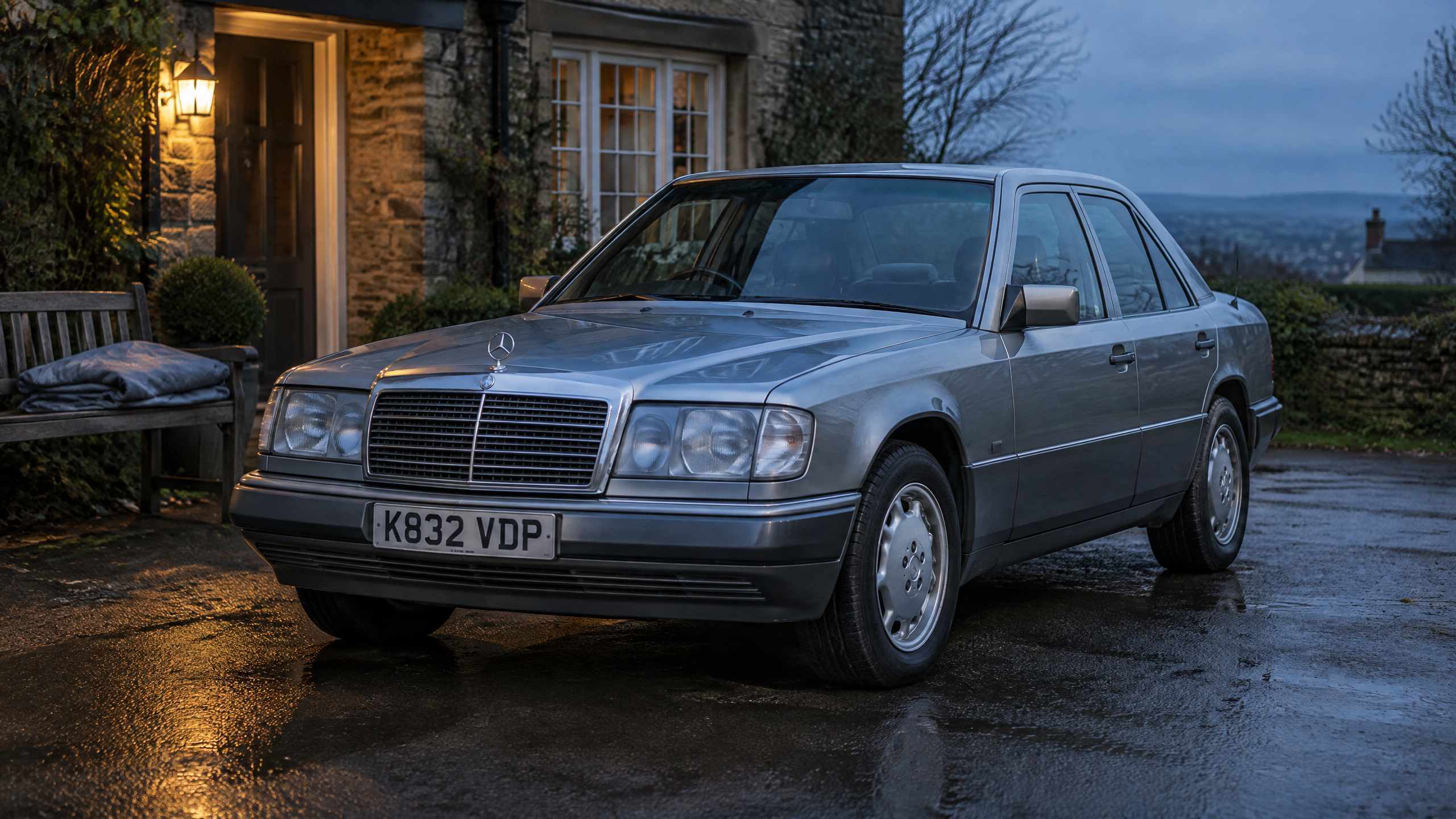
Mercedes Benz W124
The W124 is what happens when a car maker decides a family saloon ought to feel as though it might survive the collapse of civilisation. It is spacious, comfortable and beautifully suited to real life. A four cylinder petrol saloon is the sweet spot for a garage free owner. It is not a tiny car, but it is manageable, pleasant on a run and still has the ability to make a journey to collect flat pack furniture feel faintly executive.
This recommendation comes with a large, sensible warning written in permanent marker. Rust is the W124’s main enemy, particularly around the front wings, inner wings, jacking points, rear subframe supports and underneath plastic trim. You are not buying one because it can be left outside and forgotten. You are buying one because a genuinely solid, well maintained example can cope with regular outdoor life if you stay ahead of the small jobs. The bargain Mercedes with mysterious fresh underseal is not your friend. It is a future conversation with a welder.
A simple plan beats a fancy cover
Whatever you buy, give it a modest routine. Keep the car on a hard surface if possible, rather than grass or soil. Clear drains and check the carpets for damp. Wash mud and salt from the underside and wheel arches, especially after winter trips. A battery conditioner is useful if you have safe access to power, but driving the car properly is better than merely starting it for ten minutes on the driveway. Short starts without a proper run can leave moisture in the oil and exhaust.
Most importantly, be realistic about the car you choose. Avoid a restoration project, a car with bubbly paint you are trying to call “patina” and anything that already smells like a damp shed. Pay for the best body you can find, spend a little on a good breathable cover if you need one and make friends with your neighbour before the first late night arrival accompanied by an enthusiastic exhaust. You do not need a garage to own a classic. You just need a solid car, a little routine and the willingness to go outside when the rain is coming sideways.
Every classic car buyer has heard the line: “The engine is bombproof.” It is usually delivered with...
Classic car people do not always enjoy being told uncomfortable things. We will happily spend forty...

For many of us, reaching 70 is a milestone that brings more freedom, not less. It's a time for...