


.png?width=26&height=26&name=youtubemobile%20(Custom).png)
.png?width=26&height=26&name=instgrammobile%20(Custom).png)


Ahh, the sixties… a time of free love, The Beatles and some seriously wide bell-bottoms. A heady...




Every classic car buyer has heard the line: “The engine is bombproof.” It is usually delivered with the confidence of someone trying to sell you a car that is already running, which is useful, but hardly the same thing. Engines earn good reputations for a reason. Some are simple, well understood and supported by enough specialists that a grumpy misfire does not automatically require a second mortgage.
Others are wonderful because they are complicated, rare, powerful or all three at once. They can still be great engines. An expensive engine is not necessarily a bad one, just as a cheap to rebuild engine does not excuse a car made largely from enthusiastic rust. The sensible distinction is between an ordinary old car job and a problem that needs specialist labour, difficult access, rare parts and a very deep breath before the estimate arrives.
The rule before the list
No engine should be bought on reputation alone. A cared for complicated engine can be a safer bet than a neglected simple one. Service history, a proper inspection, a cold start, a full warm up and evidence of sensible ownership count for more than a legendary badge on the cam cover. When an owner says a car “just needs using”, it may be true. It may also be a sentence best heard while keeping one hand on your wallet.
It is also worth remembering that the body, cooling system and electrical work around an engine can be the real financial danger. A solid Ford Escort with a tired Crossflow is a different proposition from a rusty Escort with a lively Crossflow. The first could be a rewarding weekend. The second is an invoice with headlights.
1. BMC A Series: small, simple and still smiling
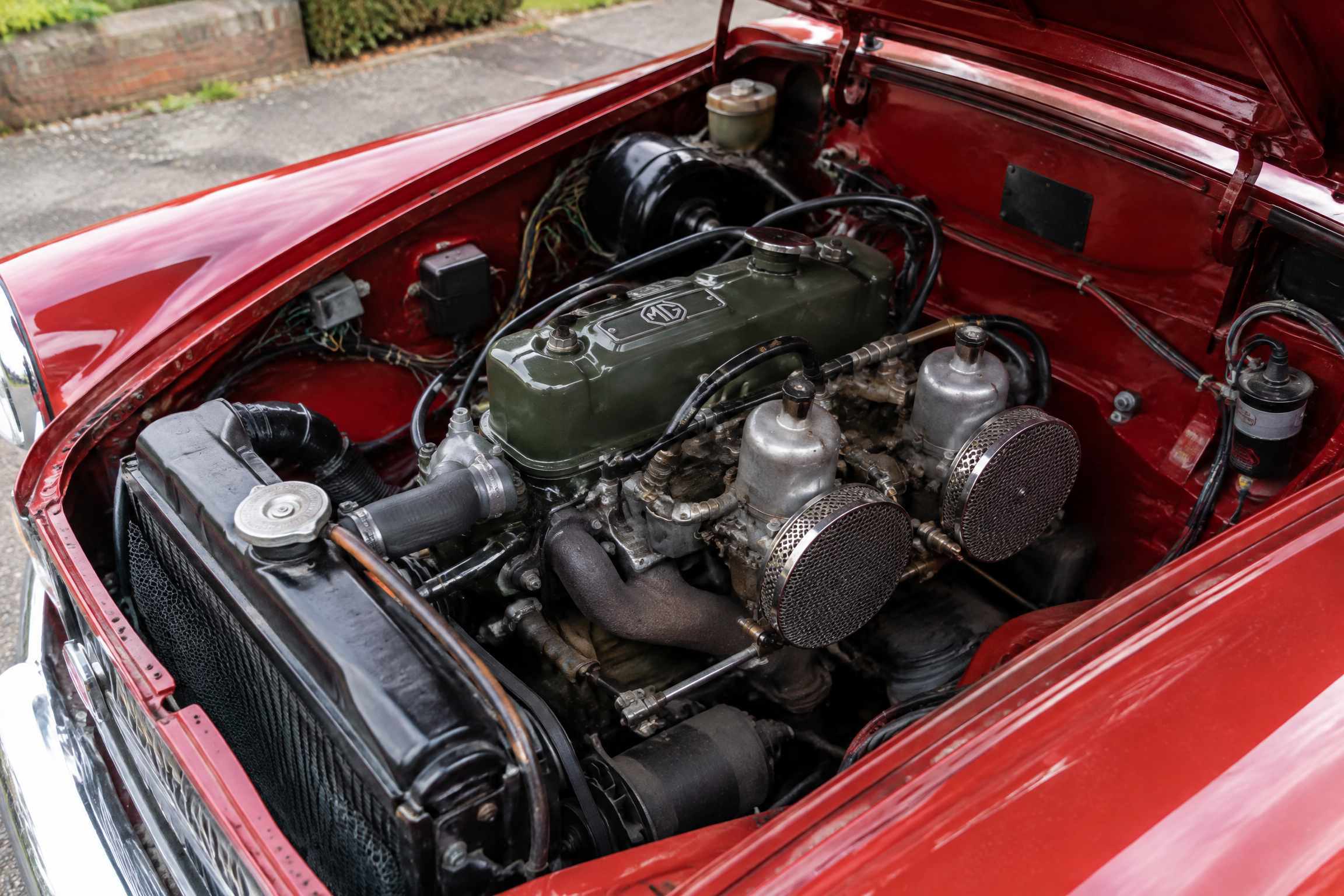
The BMC A Series is one of the great little British engines. It powered Minis, Austin Healey Sprites, MG Midgets and a remarkable number of other cars for decades. It is an iron block, overhead valve design with huge parts support and a well worn path from basic servicing to proper tuning. In an A Series MG Midget or Sprite, the engine is simple enough to understand and robust enough to reward regular maintenance. Rattles, oil leaks and heavy breathing are not charming, but they do at least give you a chance to spot wear before it becomes a rebuild.
That does not mean every noisy Mini should be adopted on the spot. Check oil pressure, smoke, overheating, valve noise and the state of the cooling system. Cars running on unleaded fuel also need the cylinder head checked for valve seat trouble. The larger point is that a tired A Series is usually a manageable engine problem. Hidden rust in the bodyshell is the part that turns a cheap British classic into a slow, expensive archaeological dig.
2. Ford Kent Crossflow: the honest workhorse
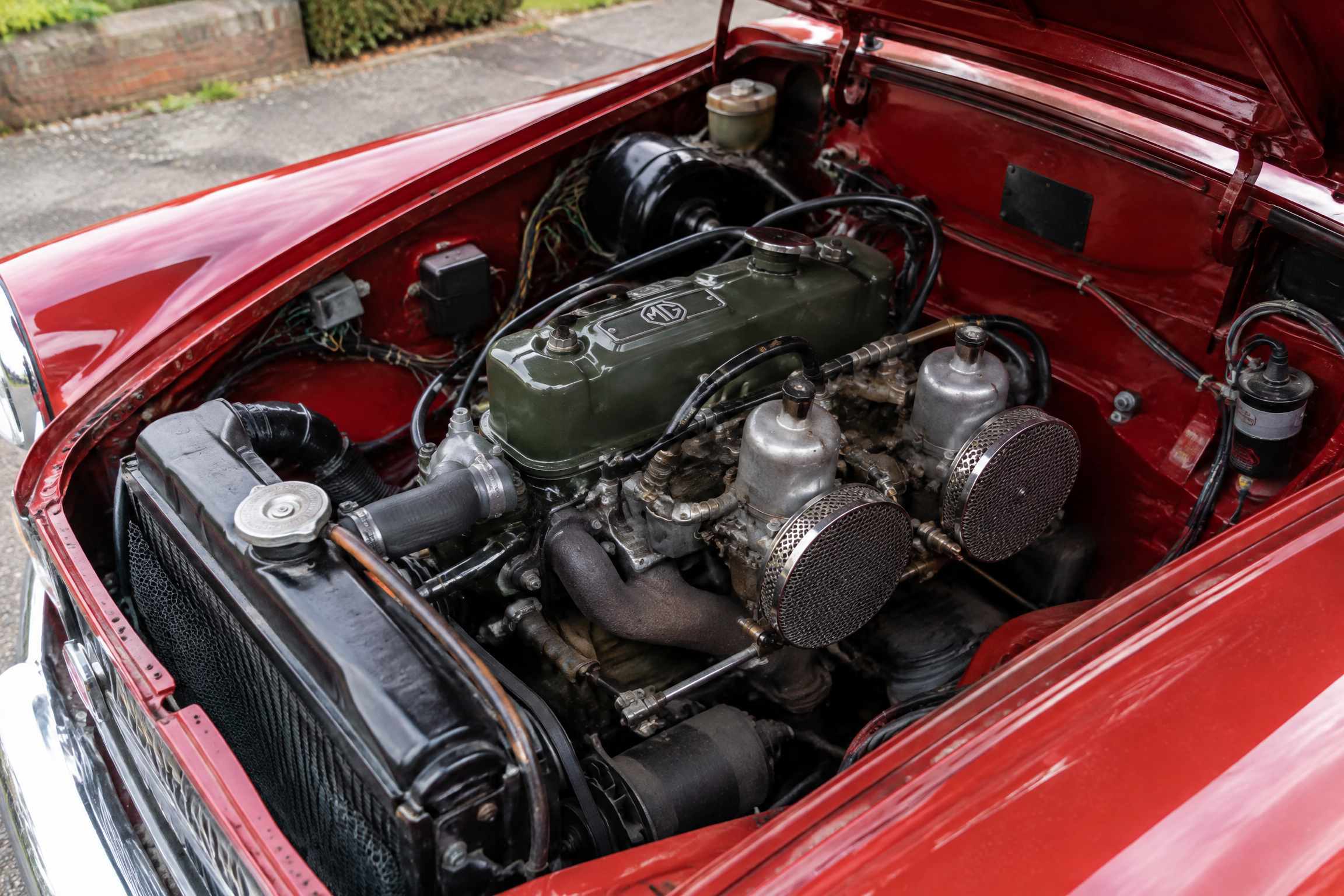
The Ford Kent Crossflow became a favourite because it is compact, willing and wonderfully familiar. Its inlet and exhaust sit on opposite sides of the head, hence the name, and it served in Escorts, Cortinas, Capris, Formula Ford cars and plenty of kit cars. It has a huge enthusiast following, good parts availability and a straightforward old school layout. In a sound Escort, a Crossflow rebuild is rarely the bit that should frighten you most.
It still needs the usual checks. A rattly top end, excess oil breathing, overheating and a tired radiator all deserve attention. More importantly, confirm what you are actually buying. Many Escorts have received engine swaps over the years, and a premium Ford badge can attract optimistic claims about Mexico, RS or AVO heritage. An engine is easier to sort than questionable identity paperwork or corrosion in the inner wings, strut tops, floors and bulkhead.
3. Volvo B230: the red block with a long memory
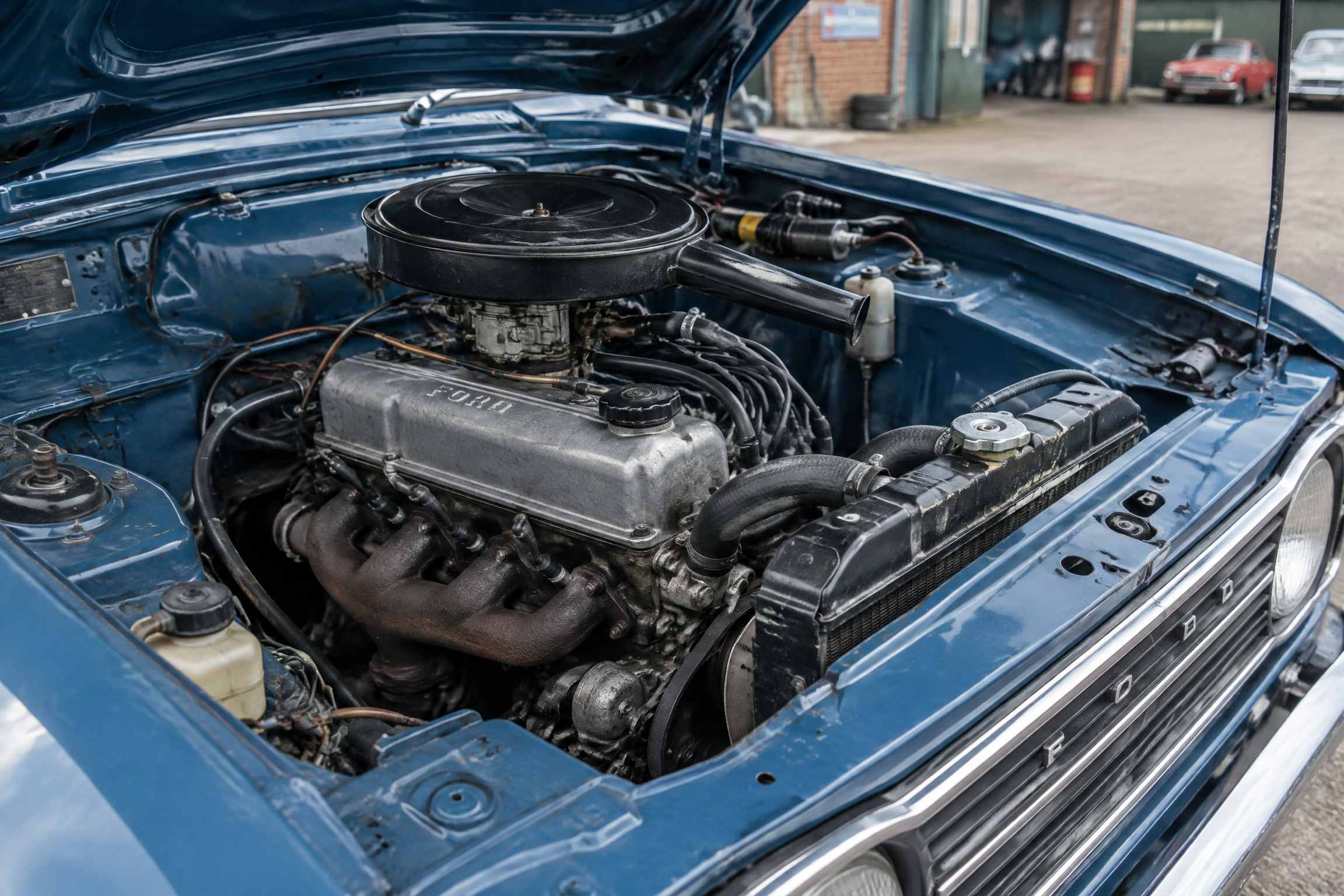
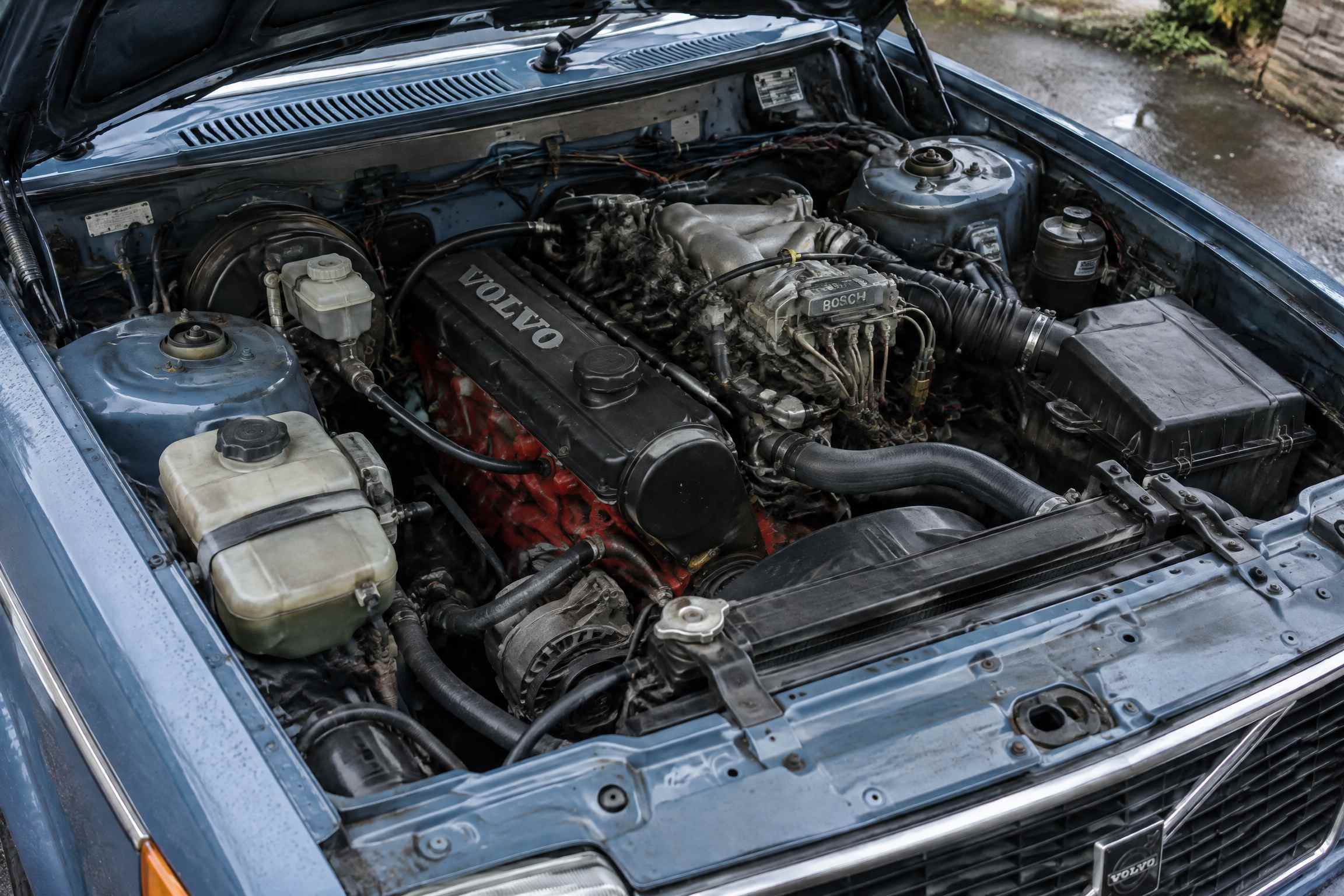
The Volvo B230 is not glamorous, which is part of its charm. In a 240 or 740, it is a tough overhead cam four cylinder with an iron block, an aluminium head and the sort of uncomplicated feel that makes routine work less intimidating. Well maintained examples have a reputation for covering serious mileages, and the 240 community remains unusually good at sharing knowledge, parts and practical fixes. It is an engine that suits people who would rather be driving than explaining why their car is in pieces.
Do not turn that reputation into a free pass. The timing belt, tensioner, cooling system and crankcase ventilation all need looking after. On B21, B23 and B230 engines, blocked crankcase ventilation can raise pressure and force oil past seals and gaskets. It is a very avoidable mess, but it is still a mess. Buy on the condition of the individual car, and remember that serious rust in a Volvo floor, rail or subframe area can be a much bigger financial event than a leaking red block.
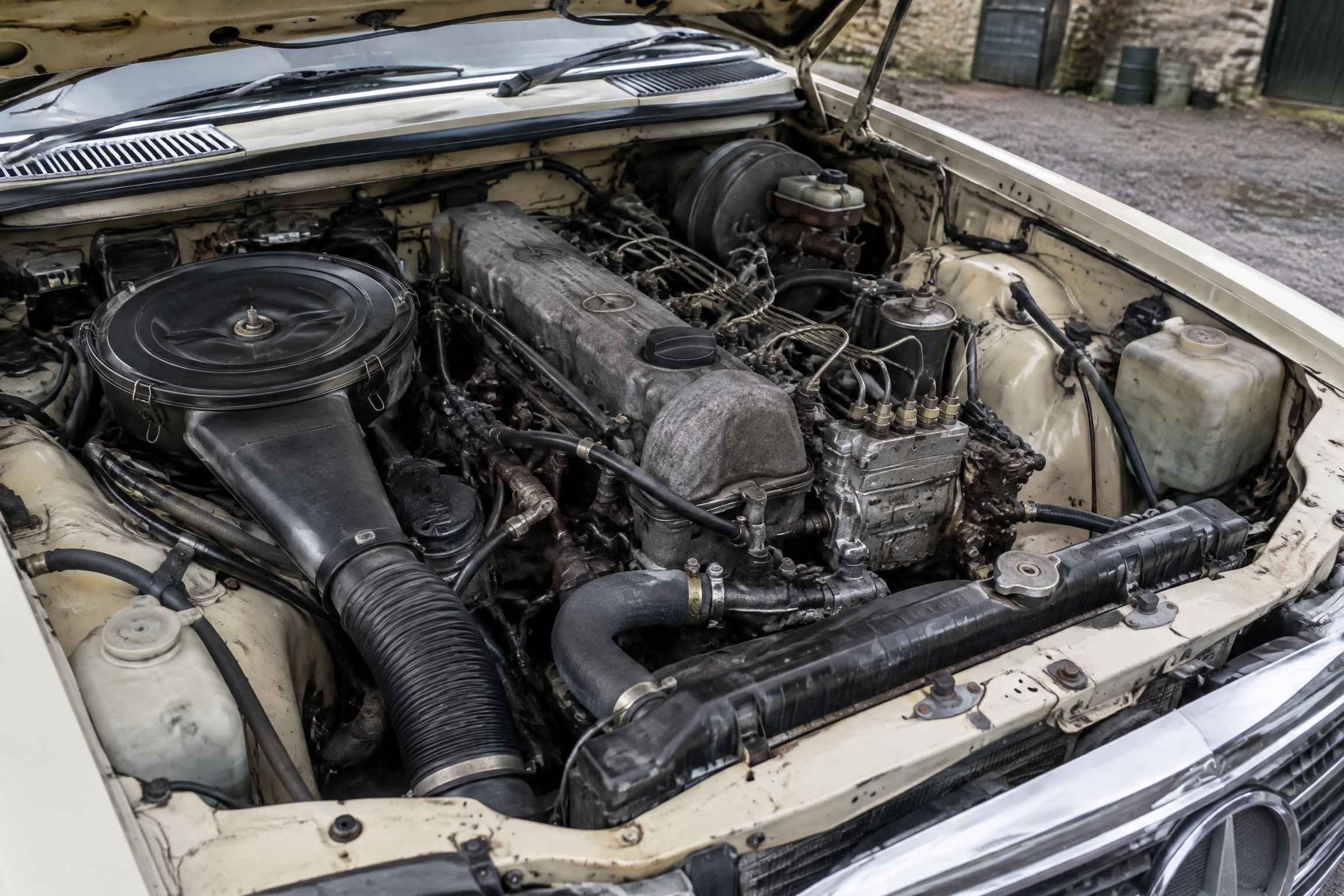
4. Mercedes Benz OM617: the diesel that refuses to hurry
The naturally aspirated Mercedes Benz OM617 five cylinder diesel is the heart of the W123 300 D. It is a 3.0 litre indirect injection unit with mechanical Bosch injection and a double roller timing chain. It will not pin your ears back at the lights, but it has a slow, deliberate quality that suits the W123 perfectly. The best ones feel as though they could outlast the owner, their next owner and possibly a minor change in the earth’s orbit. Mercedes built more than 324,000 W123 300 D saloons, so there is a deep pool of knowledge around them.
The reputation is deserved, but it comes with a condition: basic maintenance must have happened. Check cold starting, smoke, oil pressure, cooling, gearbox behaviour and the engine’s service record. Then inspect the shell with equal seriousness. Rust around the battery tray, bulkhead, jacking points, rear window and suspension mounts can make an apparently cheap W123 a very costly project. On an estate, tired self levelling suspension can add another specialist bill. The engine may be strong, but it cannot weld the car back together.
5. BMW M30: the straight six you can trust, with one eye open
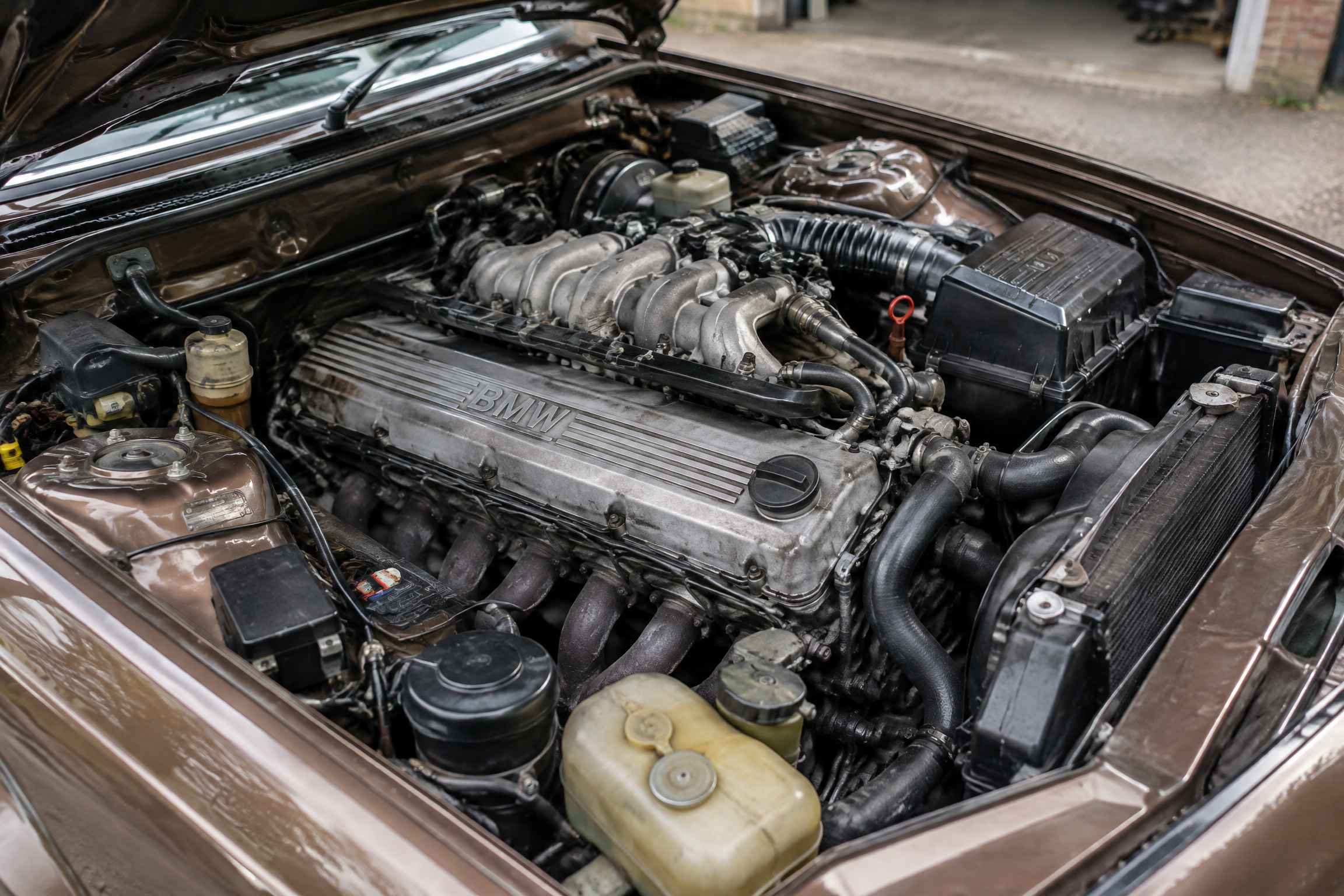
BMW’s M30 straight six makes a strong case for the old fashioned large capacity engine. It is smooth, torquey and fitted to a broad range of handsome BMWs, from E3 and E9 cars through E24 6 Series and E28 5 Series models. The M30 has a long standing reputation for strength and high mileage ability when it has been serviced properly. It gives a classic BMW the feeling of getting on with things without needing a theatrical warm up routine.
The word “properly” is doing some work there. Neglect the cooling system and oil supply to the cam, and the M30 can stop being the sensible choice. Blocked oil spray bars and loose banjo bolts can contribute to cam and rocker wear. Overheating can damage the alloy head, leading to head gasket trouble or worse. Listen carefully for a noisy cam train, inspect coolant condition and ask whether the cooling system has been maintained rather than merely topped up. A good M30 is a durable companion. One with a history of overheating can become a specialist’s Christmas party fund.
Now for the engines that demand a larger contingency fund
These next five are not a blacklist. Each gives its car much of its appeal. A Ferrari F355 without its V8 would be a very expensive garden ornament, and a Jaguar XJS without a V12 would lose much of the point. The warning is simpler than that. Complex engines need evidence of correct care, preferably from somebody who knows the model rather than a friend who is “good with cars”.
The danger is usually not a single known fault. It is the cheap car with five overdue jobs that all require the same hard to reach area of the engine to be dismantled. That is where ownership changes from enjoyable indulgence to a conversation involving phrases such as “while we are in there” and “it would be false economy not to”.
1. Jaguar 5.3 litre V12: sublime, but never casual
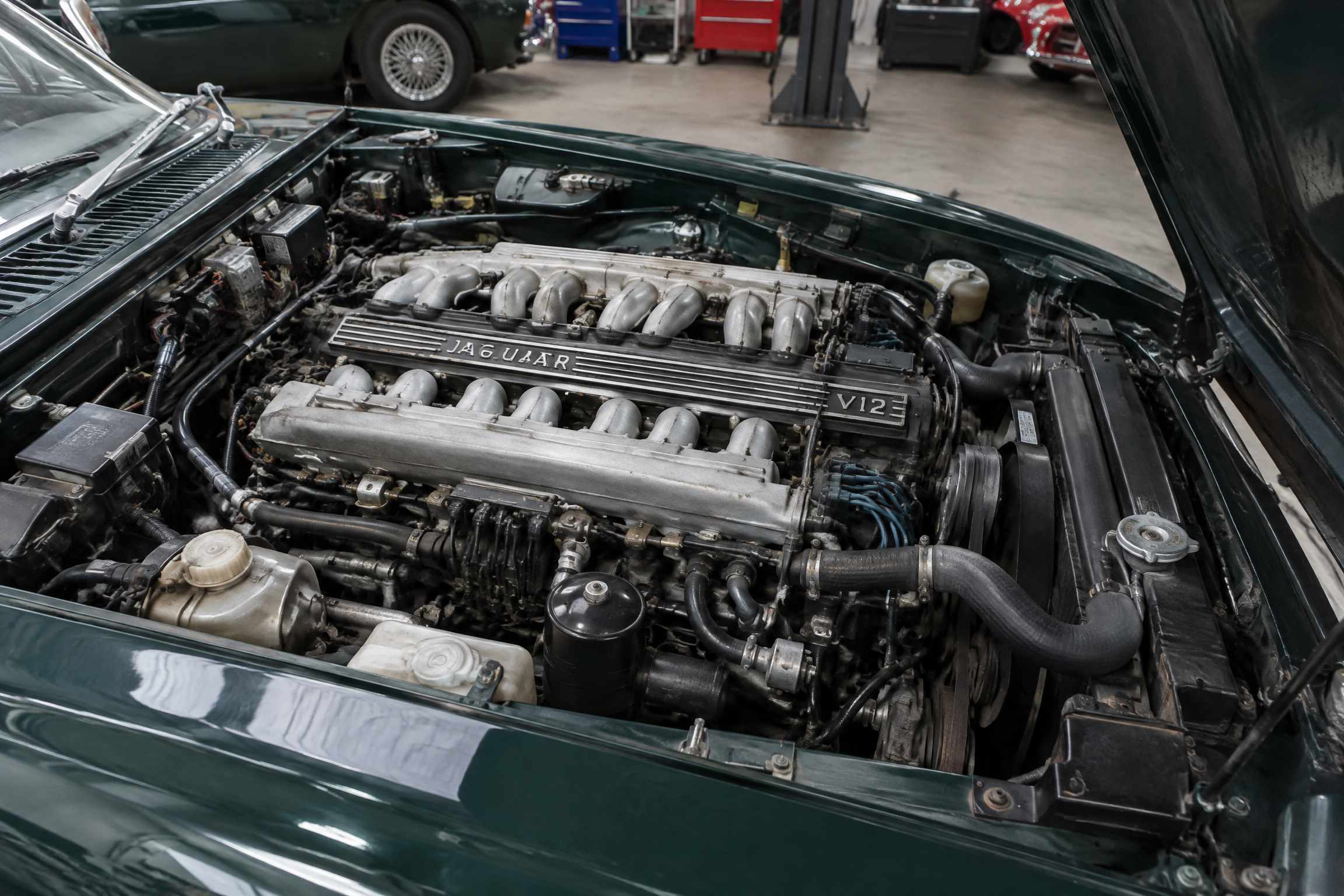
Jaguar’s 5.3 litre all aluminium V12 is wonderfully smooth and gives the Series 3 E Type, XJ12 and XJS their effortless character. When it is healthy, the engine is not merely a collection of cylinders. It is the entire mood of the car. The XJS in particular makes much more sense when it has that quiet, low revving V12 torque instead of a lesser substitute. Properly maintained examples can be durable, but regular use and conscientious servicing are part of the deal.
Cooling is the central concern. Neglected coolant, silting and a tired radiator can lead to overheating, and overheating is what turns a handsome V12 into a serious bill. A specialist buyer guide reports that a full V12 rebuild can cost more than £12,000. Check the engine fully warm, watch temperature and oil pressure, and inspect for service evidence rather than accepting a reassuring polish on the cam covers. The V12 is not a mortgage broker by nature. A neglected one may introduce you to one.
2. Porsche 928 V8: a wonderful GT with a long shopping list
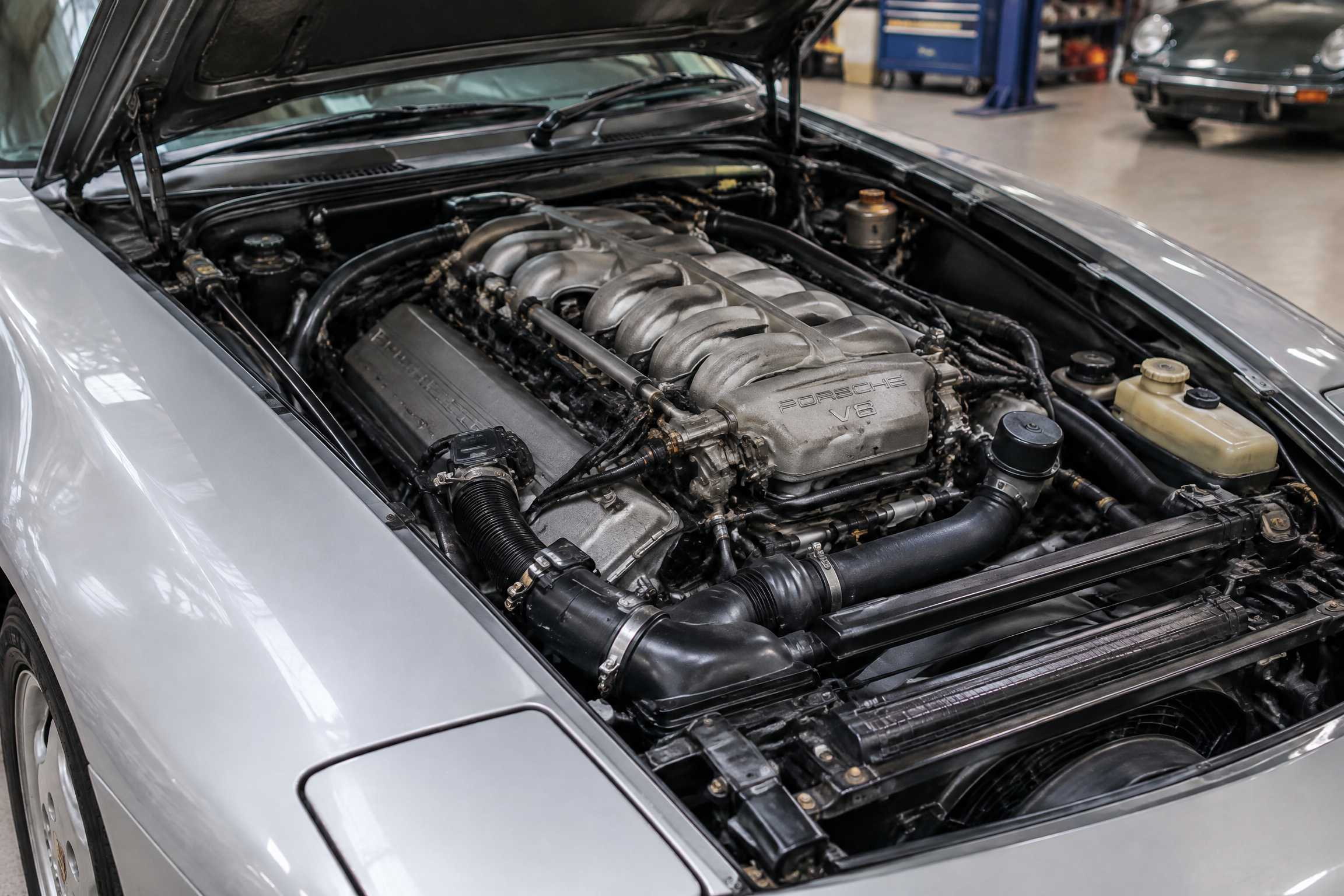
The Porsche 928 has a front mounted water cooled V8, rear transaxle and a balanced grand touring feel that still makes it special. A cared for car can cover serious distance and the engine is capable of good mileage. The trouble is that the 928 was engineered as a sophisticated flagship, not as a bargain project for somebody with a universal socket set and a free Saturday. Age, specialist access and deferred maintenance are the real enemies.
On later S4 engines, the timing belt is a high consequence item because the engine is an interference design. A failed belt can damage the valves. Cooling, fuel lines, electrical functions, oil smoke and the condition of the automatic transmission all deserve a specialist inspection. Porsche Club Great Britain quotes around £1,000 to £1,500 excluding VAT for a timing belt, tensioner and water pump service, while a radiator can be £900 before labour. Those figures do not make the 928 a bad buy. They simply mean the cheap one is rarely the cheap one.
3. Ferrari F355 V8: the sound is free, everything else is not
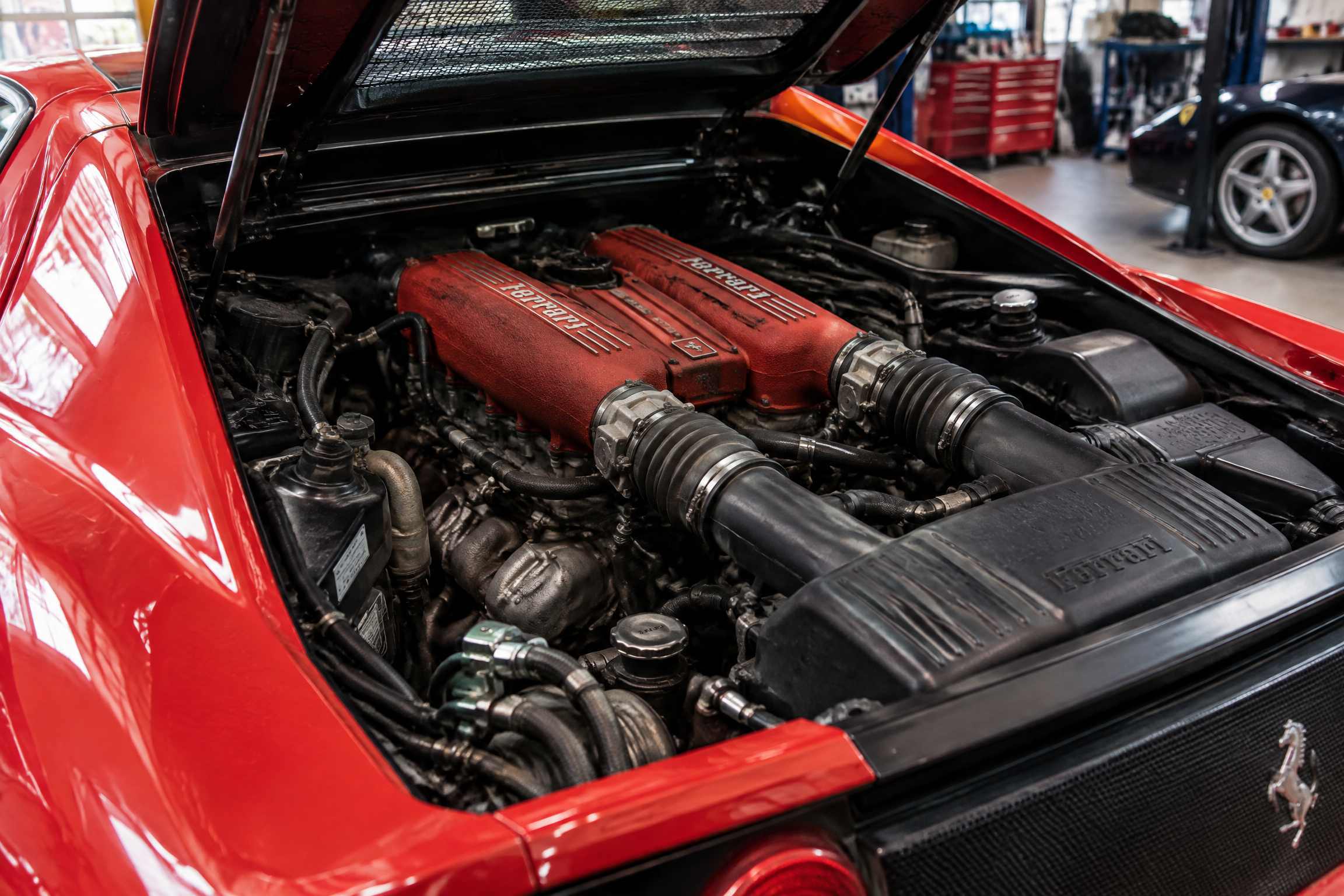
Ferrari’s 3.5 litre V8 is a five valve, dry sump engine that produces 380 horsepower at 8,250rpm. It is magnificent, and there is no need to pretend otherwise. In a manual F355, the engine and open gate gearshift create one of the great driving experiences of the 1990s. A full service history matters because a properly maintained F355 can be a rewarding car, not an inevitable financial calamity.
The problem is that missed jobs have a habit of meeting each other. Timing belt service can require engine removal. Early cars can suffer valve guide wear, while exhaust manifolds and catalytic converters need careful scrutiny. Cracked manifolds can contribute to overheating and exhaust valve damage. Then there are cooling issues, clutch work and age related items outside the engine. The right car has paperwork for major work, a knowledgeable specialist behind it and a buyer who has left enough budget for the next surprise.
4. BMW M70 V12: two banks, two sets of bills
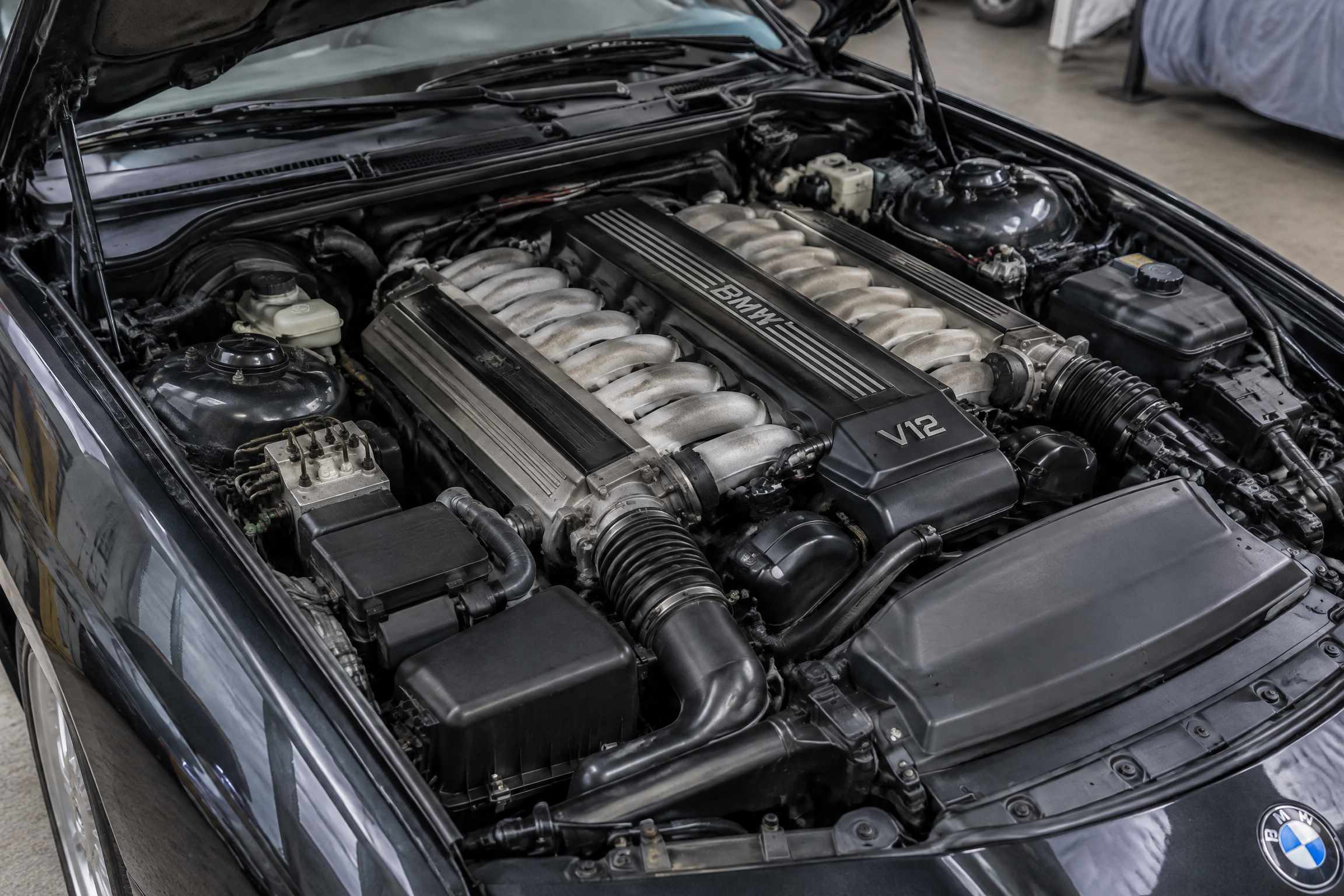
The BMW M70 is a five litre V12 found in the E32 750i and early E31 850i. Its basic design is less exotic than many people assume. It has two valves per cylinder, no VANOS and a timing chain. That does not make it simple in the way a Crossflow is simple, but it does explain why a carefully maintained M70 can cover high mileages. In a healthy 750i or 850i, it is beautifully smooth and gives the car the dignified sense that it has places to be, even if nobody else knows where.
The costs arrive through age, access and neglect. Seals, vacuum hoses, cooling parts, throttle bodies, fuel systems and electrical faults can mount up. One particularly serious point is cam oil supply. Loose banjo bolts on the oil spray bars can starve cam lobes, damaging cams and rockers and potentially requiring cylinder head removal. A long stored bargain is therefore the wrong place to start. Buy a regularly used car with clear history, working electrics and proof that its known maintenance points have not been ignored.
5. Maserati Biturbo V6: the bargain that needs evidence
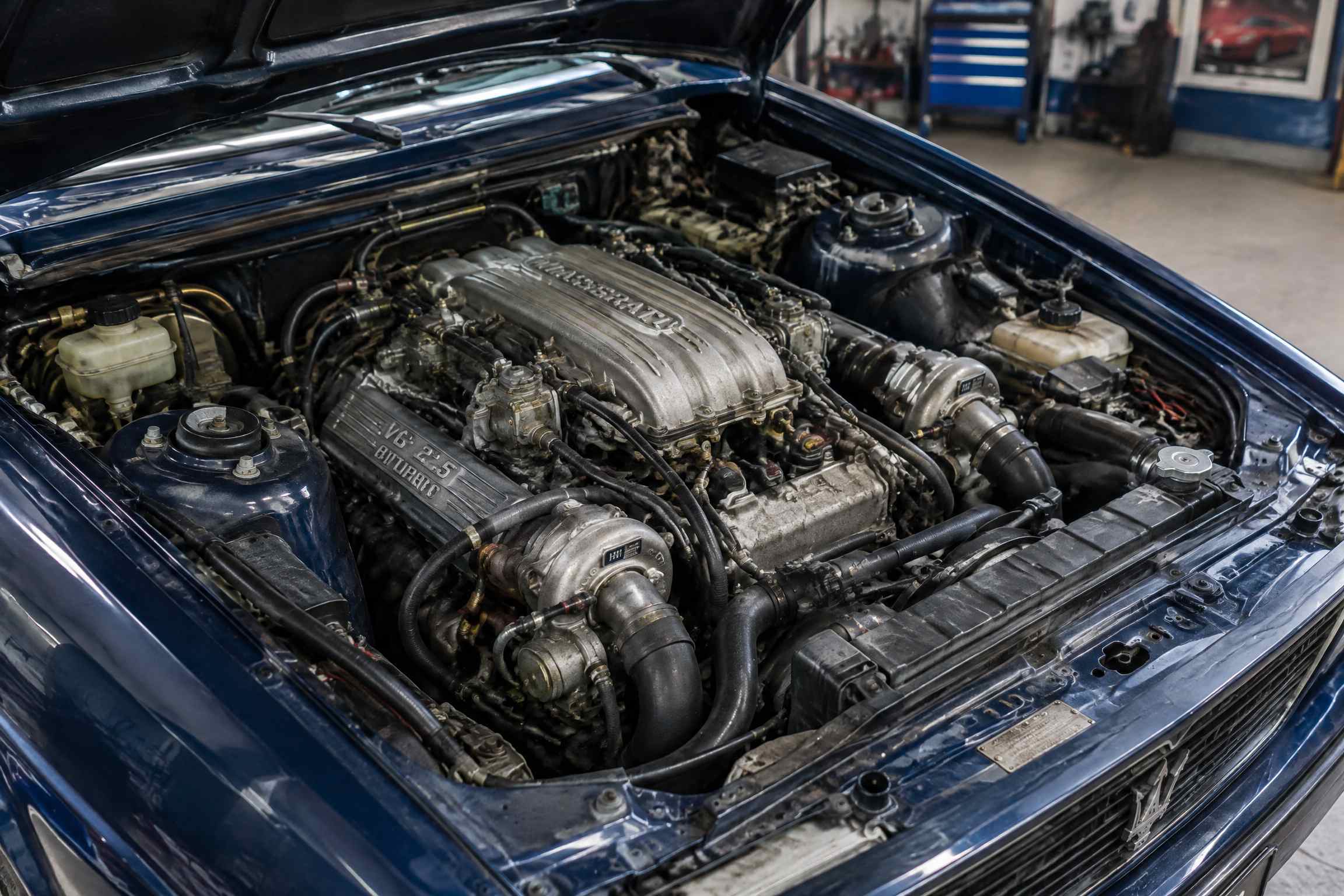
The Maserati Biturbo V6 is exciting because it feels like a compact Italian secret. It is an all aluminium twin turbo V6 with a distinctive character and a cabin that makes ordinary saloons feel rather underdressed. Later fuel injected examples are generally less finicky than early carburetted cars, and a well sorted Biturbo can be a rare, properly entertaining classic.
The key words are “well sorted”. Earlier engines need close attention to cam oil feed, timing belt history, cooling and turbo condition. Restricted cam oil feeds can cause cam seizure and timing belt failure, which is very much beyond the definition of a charming quirk. Add possible corrosion, electrical repairs, turbocharger work and differential issues, and a cheap Biturbo can quickly outrun its own market value. A Maserati specialist inspection is not an optional flourish here. It is part of the purchase price.
Buy the history, then the engine
A great classic engine should have a credible route back to health. It should be well supported, reasonably understood and fitted to a car whose wider condition makes sense. That is why an A Series, Crossflow, B230, OM617 or M30 can be such satisfying ownership choices. Their faults are real, but they are familiar. They tend to announce themselves with smoke, noise, heat or a drip rather than a need to remove half the car.
The expensive engines are worth owning when you can afford the whole experience. Buy the very best documented example, commission a model specialist inspection and keep a repair reserve separate from the purchase budget. If that sounds dull, remember that nothing ruins a glorious V12 soundtrack quite like the noise of your bank app being opened in the workshop reception.
Ahh, the sixties… a time of free love, The Beatles and some seriously wide bell-bottoms. A heady...

Have you ever wondered what drives people to buy classic cars? Like any hobby, where there is...
The 1970s was a bit of a golden decade for British motoring - with a wide variety of vehicles...