


.png?width=26&height=26&name=youtubemobile%20(Custom).png)
.png?width=26&height=26&name=instgrammobile%20(Custom).png)


Let’s be honest, shall we? There are sensible, logical reasons to buy a classic car. You might want...
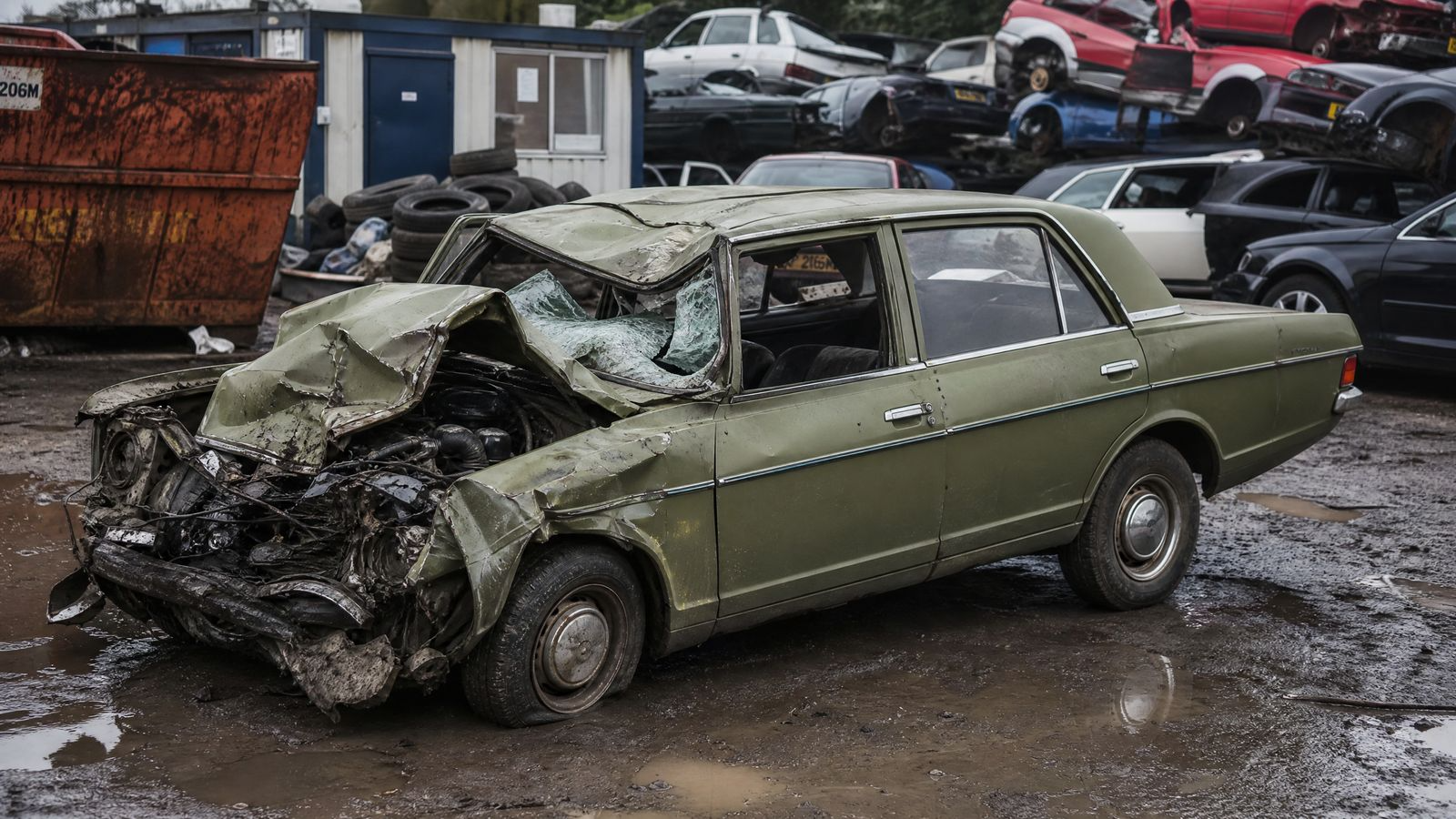



When it comes to classic cars, we often find ourselves discussing provenance, patina, and the perfect Sunday drive. However, there is a less glamorous side to the hobby that occasionally rears its head: the dreaded insurance write-off. As classic car enthusiasts, we know that these vehicles are more than just transport; they are rolling pieces of history. Yet, accidents happen, and understanding how insurers categorise damage is crucial for any owner or prospective buyer.
The term "write-off" can sound final, conjuring images of a beloved classic being towed away to the crusher. In reality, the landscape is far more nuanced. Insurers use specific categories to classify damaged vehicles, and knowing the difference between a Category A and a Category N can save you from a costly mistake or, conversely, help you spot a diamond in the rough. Let us delve into the four categories of insurance loss and explore how they affect the value and resale of your classic car.
The Absolute End: Categories A and B
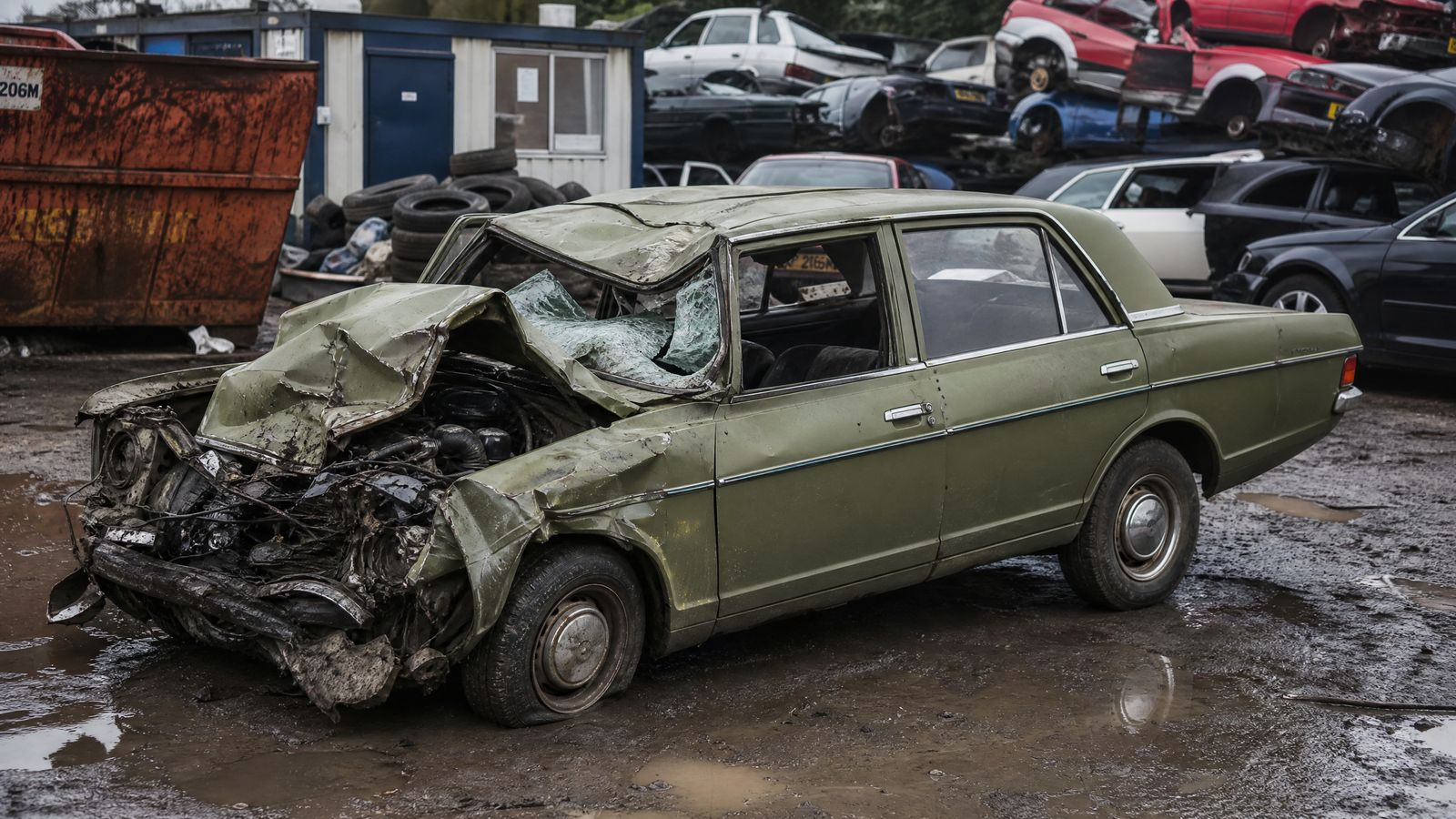
The Association of British Insurers (ABI) updated the salvage code in 2017 to shift the focus from the cost of repair to the structural safety of the vehicle. At the severe end of the spectrum, we have Category A and Category B. A Category A write-off is the worst-case scenario. It means the vehicle has sustained such catastrophic damage that it is fit only for scrap. The entire car, including any potentially salvageable parts, must be crushed and can never legally return to the road. If you see a classic listed as a Cat A, walk away immediately.
Category B is only slightly less severe. A Cat B vehicle has suffered extensive damage, and the body shell itself must be crushed. It will never see the tarmac again. However, unlike Cat A, some safe and serviceable parts can be salvaged and sold on. While you cannot buy a Cat B car to restore and drive, it can be a valuable source of rare spares for another restoration project. For the average buyer looking for a drivable classic, both Category A and B are entirely off the table.
The Repairable Reality: Categories S and N
This is where the waters become navigable for the classic car buyer. Category S, which replaced the old Category C, stands for "Structural". This means the vehicle has suffered structural damage, such as a bent chassis or a collapsed crumple zone, but the insurer has deemed it economically repairable. However, they have chosen not to carry out the work themselves. A Cat S classic will require professional repair to ensure it is safe, and it must be re-registered with the DVLA before it can be driven.
Category N, formerly Category D, stands for "Non-Structural". These vehicles have sustained cosmetic or electrical damage, but the structural integrity remains intact. The insurer has decided that the cost of fixing the cosmetic issues, perhaps combined with the cost of a courtesy car, exceeds their economical repair threshold. A Cat N classic is often the most appealing to buyers, as the damage is usually superficial, though it is vital to remember that non-structural faults can still include crucial safety components like brakes or steering.
The Impact on Value and Resale
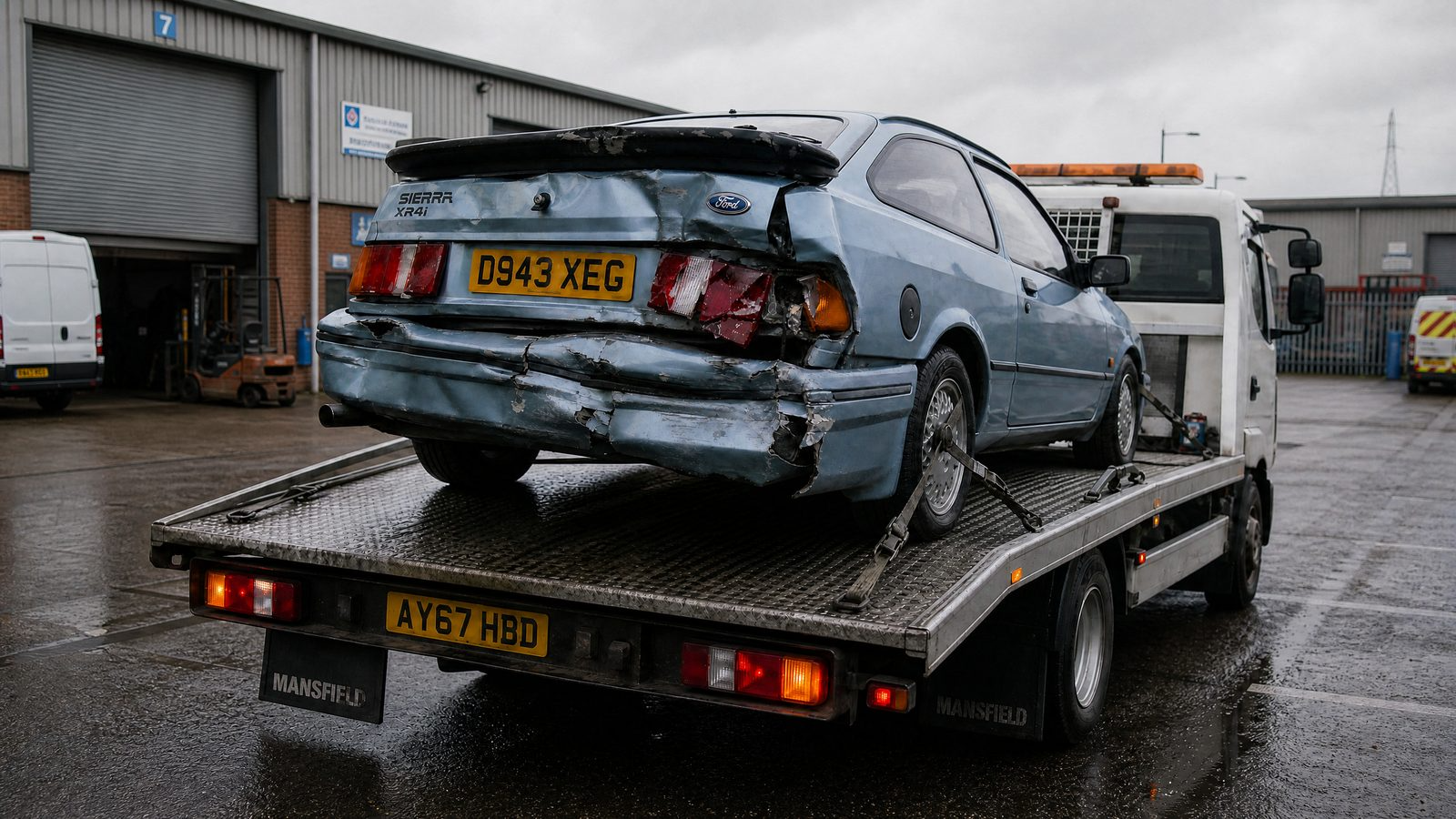
So, how do these categories affect the value of a classic car? The short answer is: significantly. Even if a Category S or N vehicle is repaired to a flawless standard, the marker remains on the car's history permanently. This undeniable fact will always cast a shadow over its market value. A Category S classic will typically see its value reduced by 20% to 40% compared to an undamaged equivalent. Buyers are naturally cautious of structural repairs, and you will have to offer a substantial discount to entice them.
Category N vehicles fare slightly better, as the lack of structural damage makes them a safer bet. However, you can still expect a value reduction of around 10% to 25%. When it comes to resale, the pool of potential buyers shrinks considerably. Many classic car enthusiasts and collectors simply refuse to buy a vehicle with a write-off marker, preferring cars with an unblemished history. Furthermore, some finance companies will not lend against a Cat S or Cat N car, meaning your future buyer will likely need to be a cash purchaser.
Insurance and the Final Verdict
Insuring a classic that has been written off can also present challenges. While many specialist classic car insurers are accommodating, some mainstream providers may refuse cover entirely, or charge a higher premium. Those that do offer cover may require an independent engineer's report to confirm the vehicle is roadworthy before issuing a policy. It is essential to declare the write-off status upfront; failing to do so will invalidate your insurance.
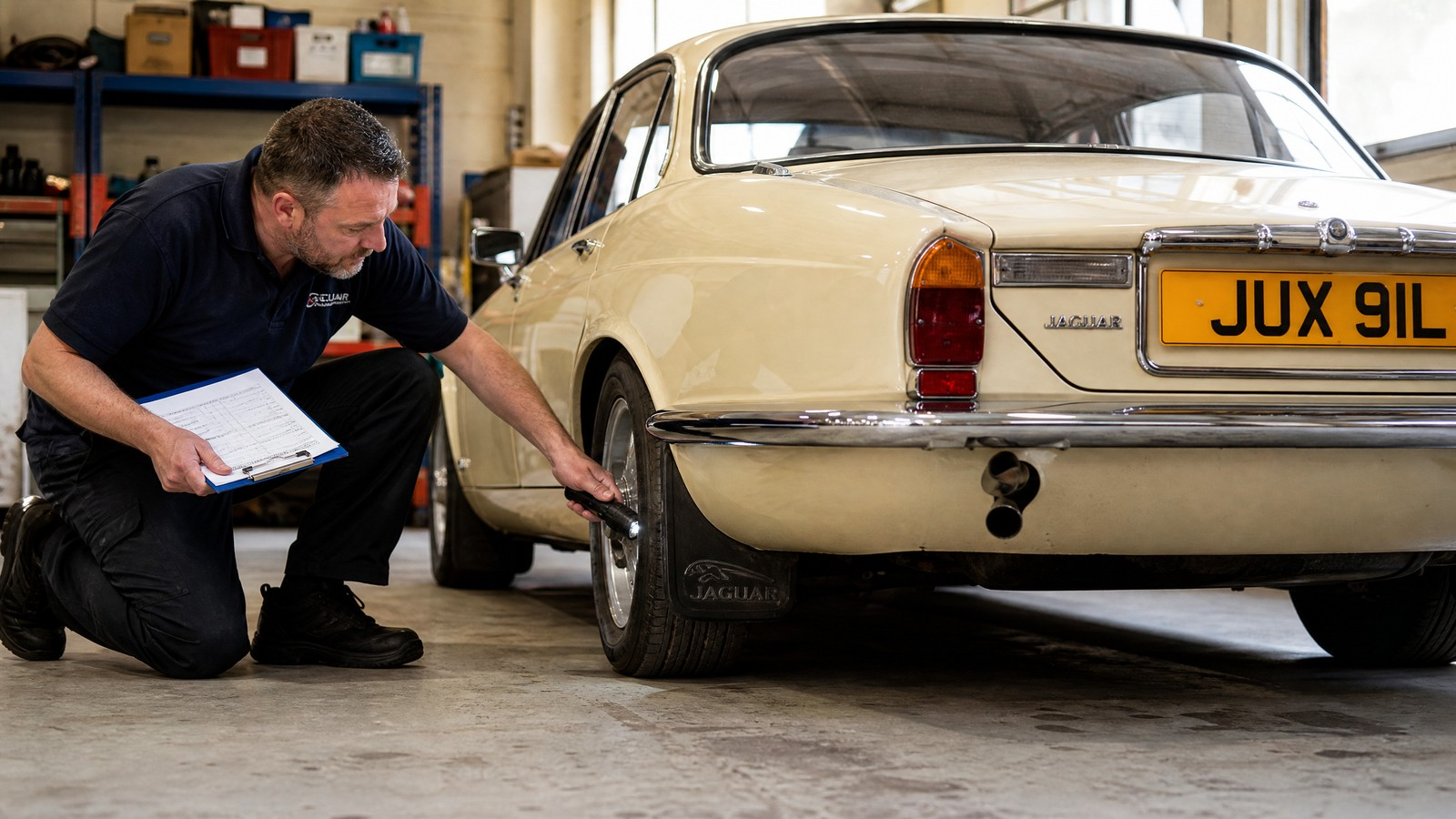
In conclusion, buying a Category S or N classic can offer a route into ownership at a fraction of the usual cost. If you plan to keep the car long-term and enjoy the process of restoring and driving it, a well-repaired write-off can be a sensible purchase. However, if you view your classic as an investment or plan to sell it within a few years, the reduced resale value and smaller market of buyers make it a risky proposition. Always proceed with caution, demand full repair documentation, and never shy away from commissioning an independent inspection.
Let’s be honest, shall we? There are sensible, logical reasons to buy a classic car. You might want...
Welcome, fellow travellers, to the murky and often bewildering world of classic car classifieds....
Every classic car buyer has heard the line: “The engine is bombproof.” It is usually delivered with...
