


.png?width=26&height=26&name=youtubemobile%20(Custom).png)
.png?width=26&height=26&name=instgrammobile%20(Custom).png)

When Audi unveiled the R8 at the 2006 Paris Motor Show, the sports car establishment had to shuffle...
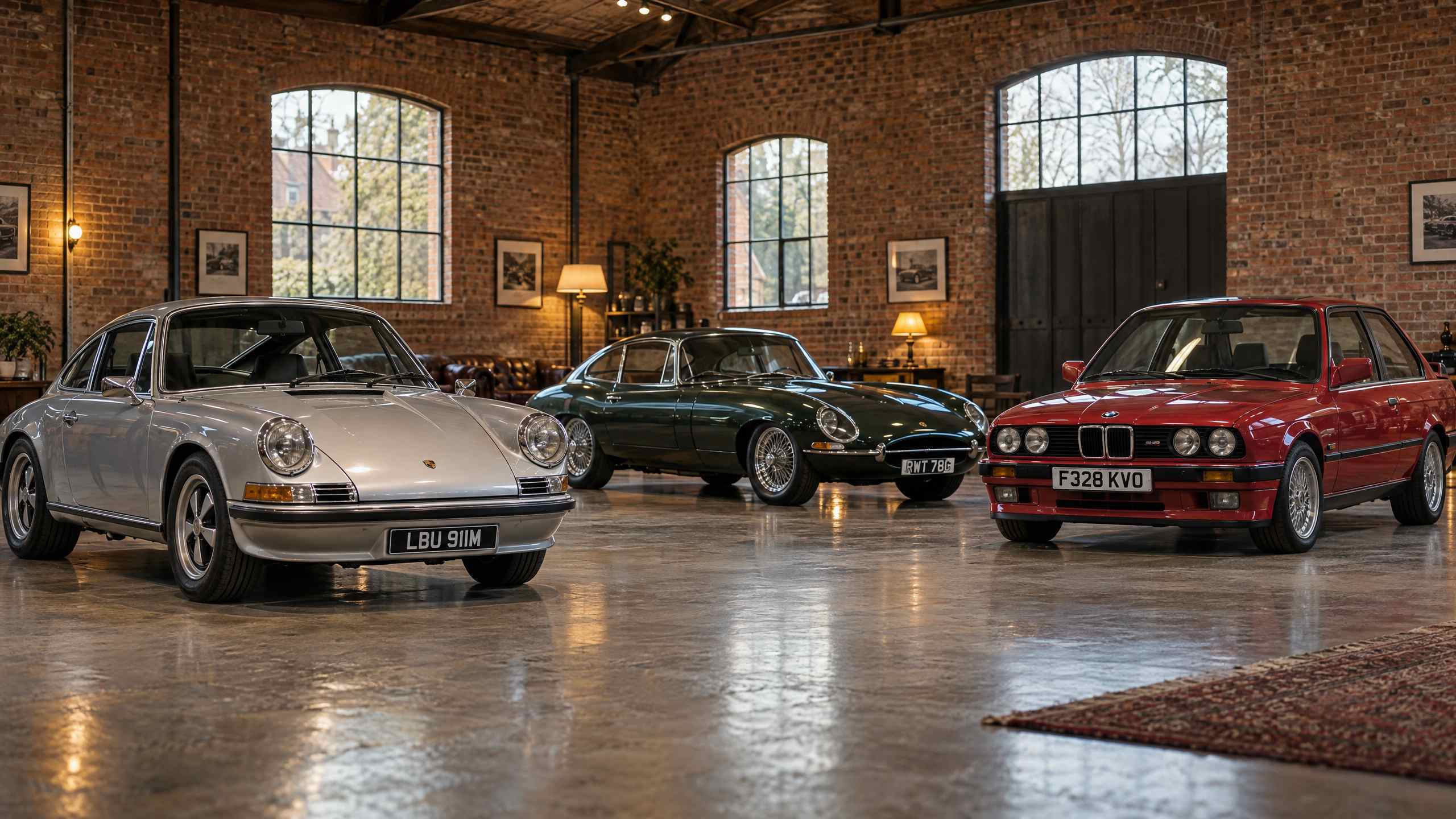




If you have spent the past year looking at classified adverts, you could be forgiven for thinking the classic car market has developed a split personality. One seller wants proper money for a tired, optimistic project with damp carpets and an oil leak they swear is “only a seal”. Another has a beautifully specified car with a file of invoices, sensible photographs and a price that suddenly makes sense. The first sits. The second disappears before you have found your tape measure.
That is the market in 2026. It is not one big crash, and it is certainly not a boom. It is a more selective market, which feels poor if you own an average car in need of work and rather better if you own the right car in the right condition. The figures in this piece come from current UK auction data from Lockton, the Hagerty UK Price Guide and published auction results, all checked on 2 October 2026.
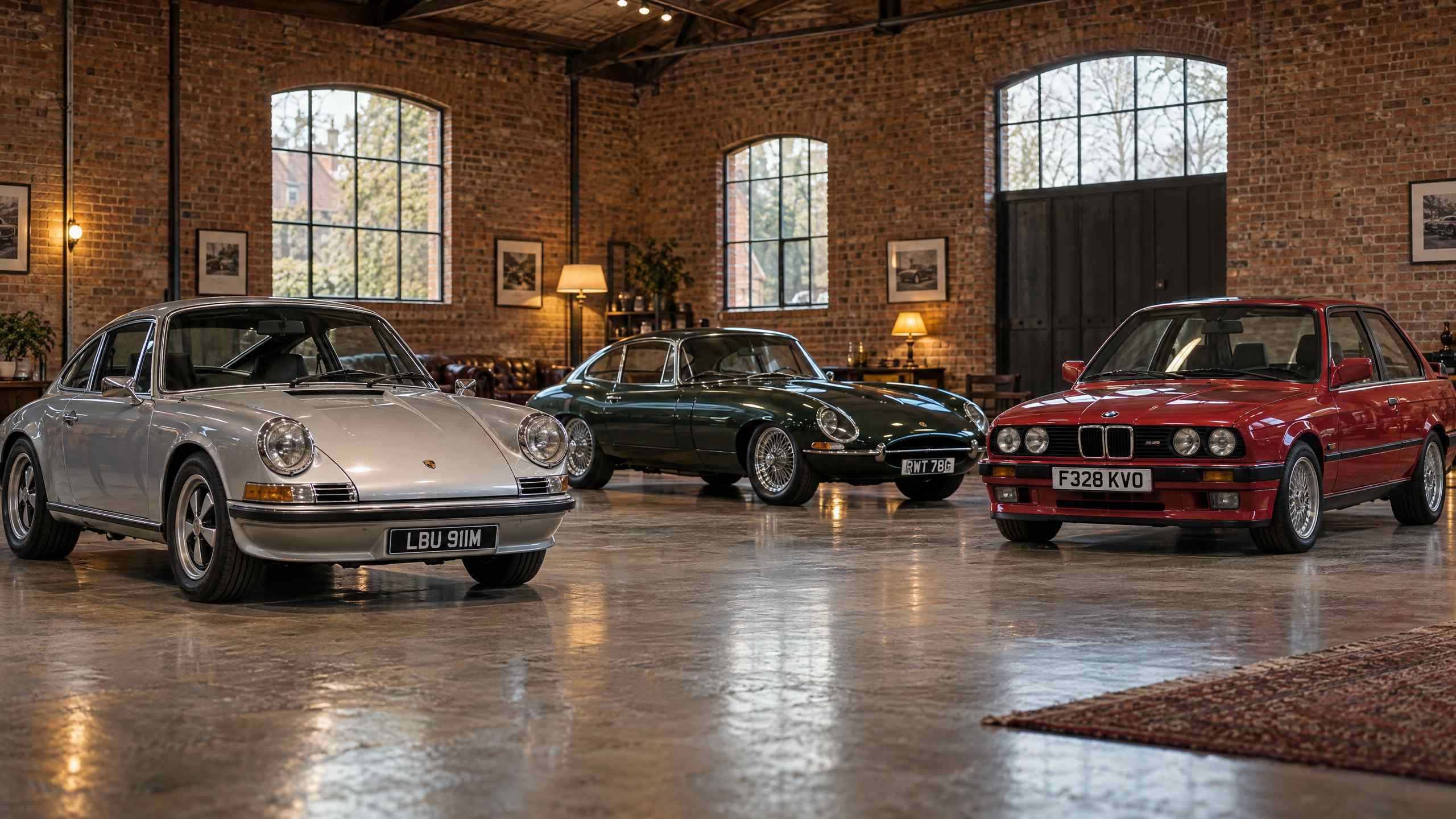
The market is not moving in one direction. Exceptional stock still draws attention, while ordinary cars need a sharper price and better presentation.
The short version is that buyers have become fussy
Lockton’s H1 2026 figures put UK auction sell through at 69.3%, down from 74.2% in the same period last year. The average result also slipped, from £21,010 to £20,631. That is a modest 1.8% decline, not a trapdoor opening beneath the entire hobby, but it does show that fewer cars are getting over the line and buyers are less willing to rescue an ambitious reserve.
Hagerty’s year end UK analysis tells a similar story from a different angle. Nearly 80% of the more than 3,000 models in its Price Guide were either static or lower through 2025. Those figures are guide values rather than a list of hammer prices, but the direction is hard to ignore. The easy gains have gone. A car now needs condition, history, originality and a realistic price, rather than a vaguely famous badge and a set of alloys that were fashionable during the first Blair government.
Why the big auction headlines can be misleading
You may have seen reports of record auction totals and concluded that the market must be flying. At the trophy end, it often is. A small number of rare Ferraris, competition cars and exceptional supercars can generate enormous figures. In the first half of 2026, global auction data tracked by CLASSIC.COM showed the average sale price up 25% to $75,173. The median only moved from $25,550 to $26,500, though, which is a much more useful reminder that top end results can make the average look healthier than the car most people are actually shopping for.
The money is concentrating at the very top. Cars above $1 million accounted for 29.8% of global auction dollar volume in H1 2026, up from 18% a year earlier. RM Sotheby’s Monaco sale achieved 90% sell through and just under €88 million, but it was packed with exceptionally rare, highly documented machinery. That is good news for the owner of a superb collector car. It is not proof that a regular 1980s coupé with a patchy history has quietly become an investment.
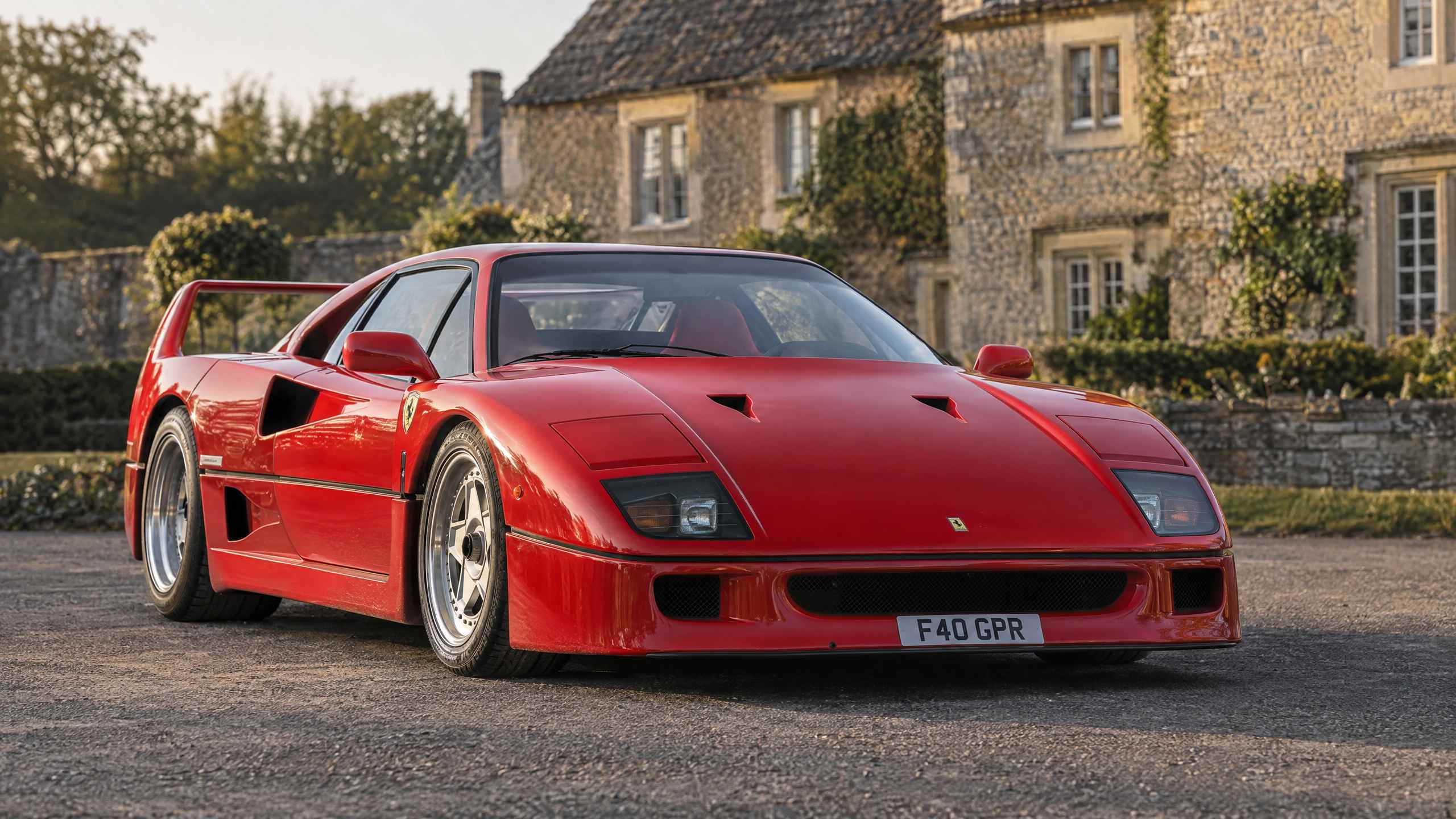
Trophy cars with rarity, provenance and condition are continuing to attract serious buyers, but they are not the ordinary market.
Older British cars are feeling the pressure
The clearest soft patch remains older mainstream British metal. Hagerty reported that cars first made in the 1950s were down 9% on average in the year to September 2025. Its Best of British Index fell 6% over the same period and sat just above 80% of its 2018 level. That does not mean every Austin Healey, MG, Jaguar or Rover has become a bargain, but it does mean buyers have more choice and less appetite for paying a premium merely because something has chrome.
The cars struggling most are usually not terrible cars. They are the ones that are merely adequate. A perfectly usable classic with tired paint, unconvincing repairs, no story and a number that assumes someone else will pay for the next recommissioning job is difficult to shift. The best examples still sell. The lower condition cars need a price that accepts their faults, because buyers now have the time to notice them.
Modern classics are still bringing in the buyers
The brighter part of the UK market is not every modern classic, but selected hot hatches and cars from the 1980s and 1990s. Hagerty says its Hot Hatch and RADwood indexes were the only two UK indexes to show meaningful growth in 2025. That makes sense. These are cars people remember from their youth, understand how to use and can still take to a breakfast meet without needing a boot full of spares and a rescue trailer on standby.
The details matter. Hagerty puts an excellent Toyota Supra A80 at £40,000, up 41.8% over five years, although it says prices peaked in mid 2023 and have been broadly flat since. A Porsche 996 Carrera was listed at £17,800, down 2.2% over five years, while a Golf GTI Mk2 8V was £15,300, down 1.9%. A Mercedes Benz SLK R171 was flat at £5,200. The lesson is not “buy anything with a cassette player”. It is that buyers are targeting the best version, the right specification and a car that has not been dismantled by six previous owners with a socket set.
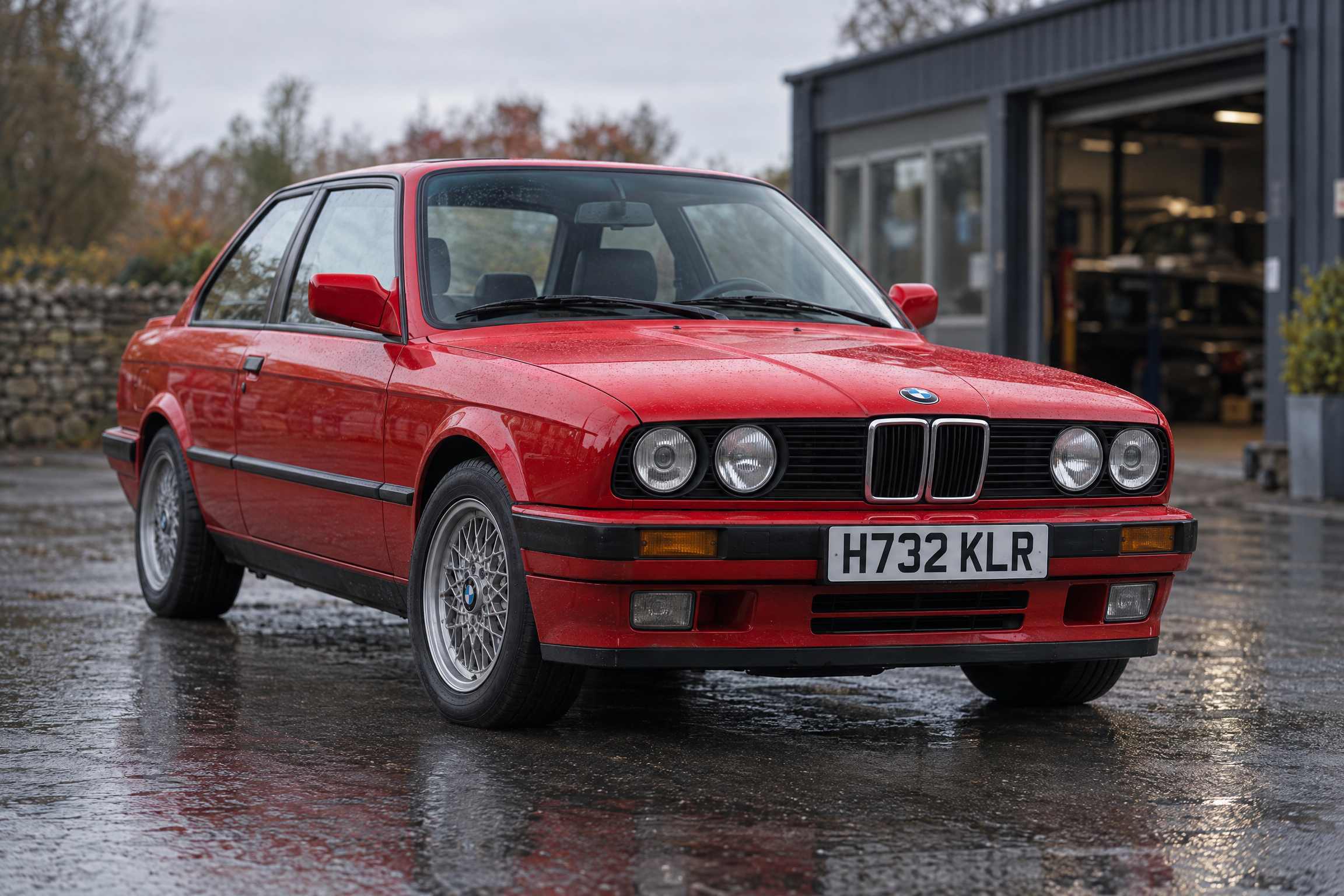
The modern classic market has its winners, but condition and specification matter more than the badge alone.
Projects are where optimism gets expensive
Project cars have always needed bravery. In 2026 they also need a calculator and somebody willing to say no. Hagerty’s market commentary has found that cars with major needs take longer to sell, even where the best examples still move easily. An Iconic Auctioneers sale at the Practical Classics Restoration Show achieved a healthy 85% sell through in March, but that also means 15% of the offered cars did not find a buyer on the day.
The maths can be brutal. A Vauxhall Viva HC may be around £750 as a project, £3,000 to £5,000 in good order and £5,000 to £9,000 when excellent. That sounds like room for a restoration until you discover scarce panels, wings worth more than £500 and trim that has decided it would rather live in somebody else’s loft. The project is not automatically a bad purchase. It is just a bad purchase when the finished value is doing less work than the welder.
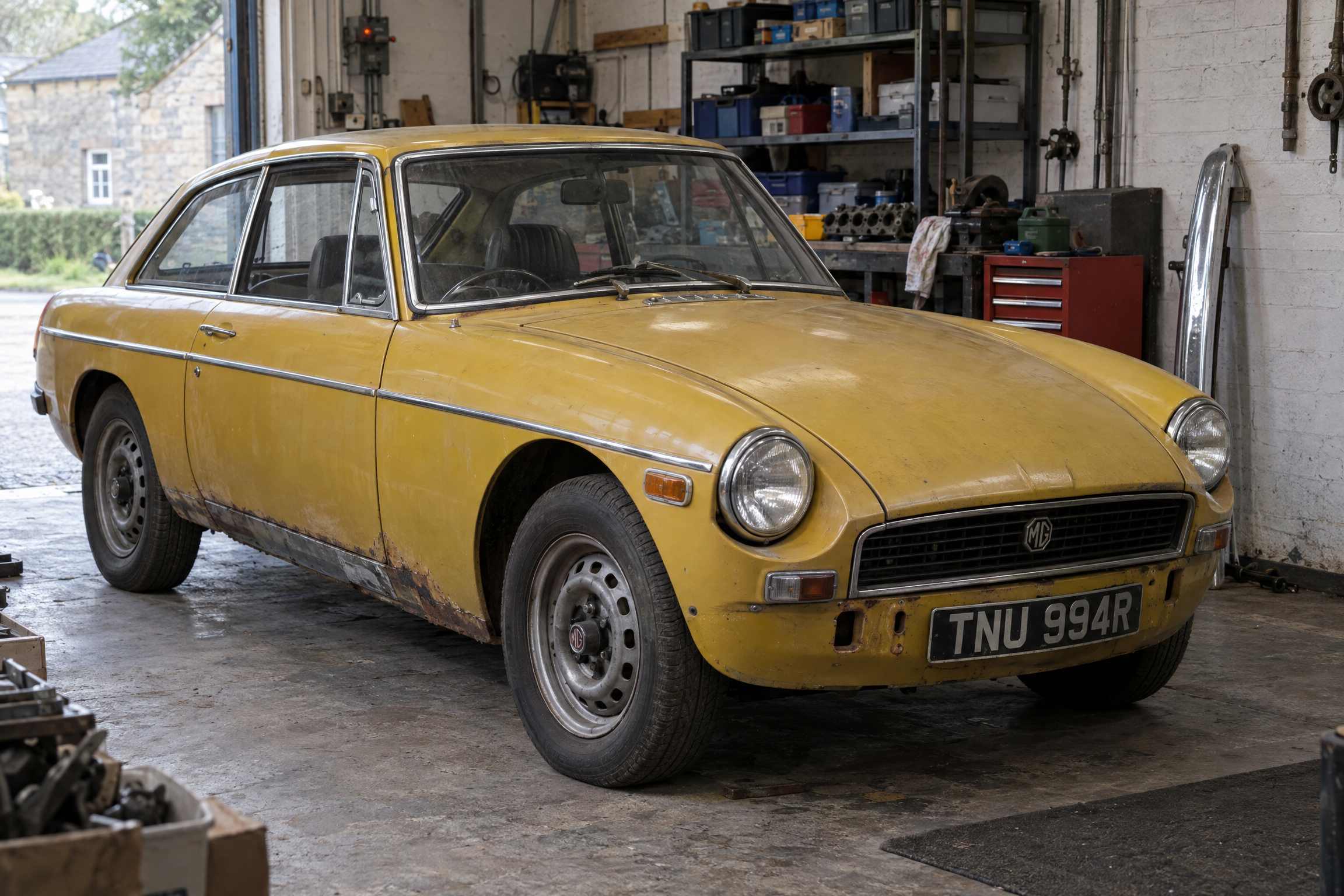
A cheap project is only a bargain when the parts, metalwork and finished value add up.
Condition is now a price category of its own
Condition has always mattered, but the gap has widened enough that it should be treated as a separate market. Hagerty’s 2025 guide for the Subaru Impreza P1 placed a concours car at £72,500 and a fair one at £25,000. That is a 65.5% difference for the same model before you have even started arguing about tyres, service stamps, original Prodrive parts or whether the paint has been applied with a roller.
For a buyer, that creates an opportunity. A very good car can look expensive beside a tired one until you cost the bodywork, mechanical work, missing trim and months it will spend off the road. For a seller, it means presentation and paperwork are not optional extras. A clean, honest advert with proper photographs, a clear history and a price that reflects condition will do more work than “rare classic, no time wasters” ever has.
What buyers should watch now
First, separate a model’s headline value from the car in front of you. Auction records are useful background, but only if the sold car matches yours for condition, mileage, originality, specification and history. A rare colour, a low owner count, factory options and an unmolested interior can matter. So can corrosion, poor panel gaps, stale tyres, a warning light and an invoice folder that begins in 2023 despite the seller claiming “nothing spared”.
Second, decide what you are buying it for. If you want a car to use, a well maintained example with honest miles may offer far more pleasure than a museum piece you are frightened to park. If you want a project, price every known job before buying and add room for the jobs you have not found yet. The market has become kinder to prepared buyers, but it has not become kind enough to make bad restoration sums work.
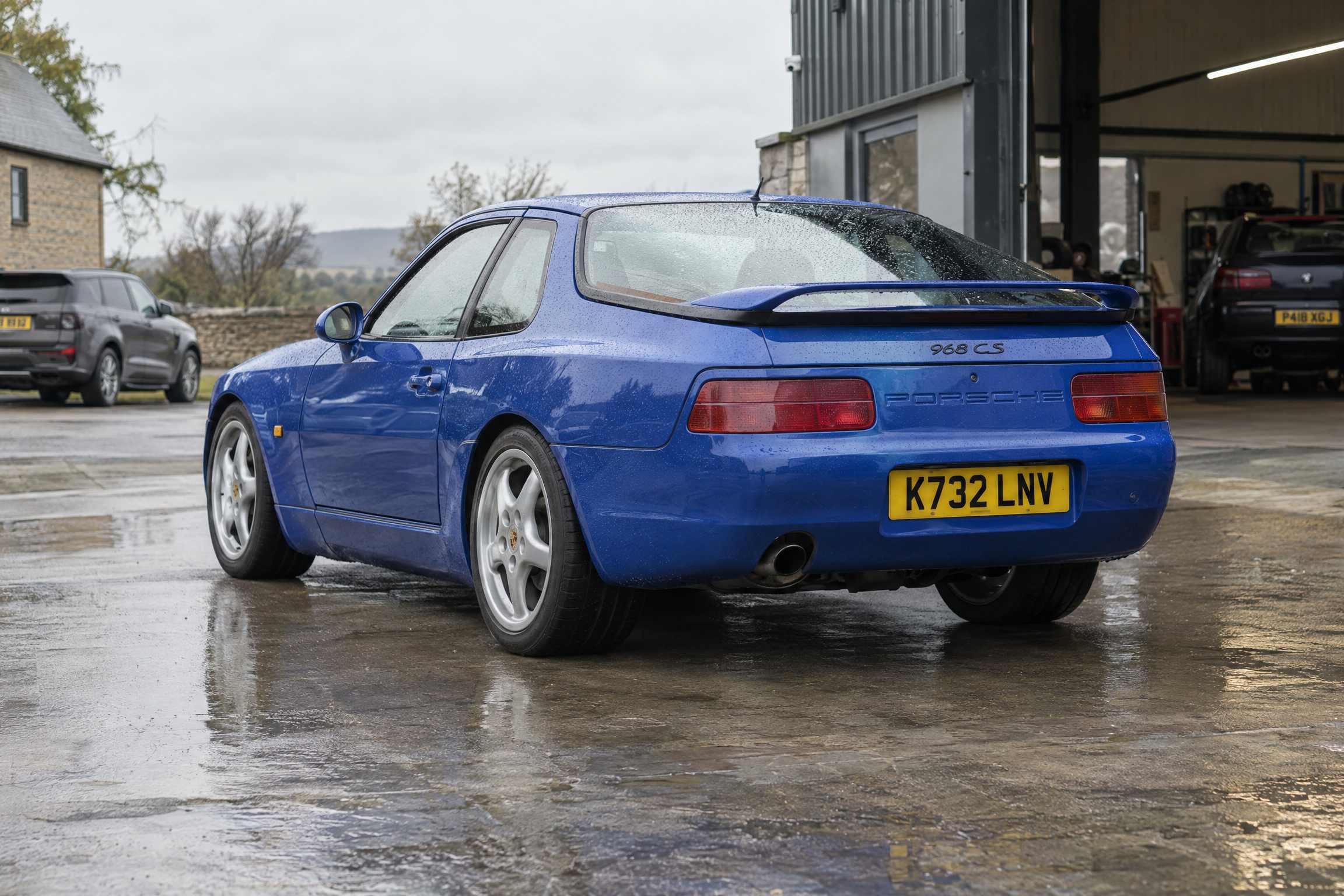
In a selective market, a specialist inspection and a realistic view of condition matter more than a headline model price.
So, is the classic car market in poor shape?
For ordinary cars that need money, care or a dose of realism, it can feel that way. Fewer auction lots are selling in the UK, older British cars have been under pressure and projects are harder to pitch as easy wins. The market is being much less forgiving of vague provenance, low quality repairs and sellers who believe the asking price of the best car online automatically applies to theirs.
For everyone else, 2026 is not bad news. It is a return to buying with your eyes open. The right classic still has a market. The difference is that it needs to be genuinely right, not merely wearing a cover and waiting for a nostalgic buyer to lose their senses. That may be less exciting for speculative sellers, but it is a healthier place for people who actually want to drive the things.

When Audi unveiled the R8 at the 2006 Paris Motor Show, the sports car establishment had to shuffle...
There’s something undeniably exciting about cruising down a country lane in a convertible classic...

In the digital age, buying or selling a classic car has become more accessible than ever. However,...
