




Where the horrors begin
Halloween is the one night of the year when ordinary people choose to be frightened. They watch a man in a rubber mask lurk behind a hedge, eat a bowl of sweets the size of a hubcap, then go to bed pleased with themselves. Classic car owners do not need that sort of organised terror. We have garages, driveways, old invoices and the occasional ominous puddle to keep the pulse lively from January to December. The truly chilling noises are not a creaking door or an owl. They are perfectly innocent sentences, usually delivered by someone holding a torch.
First comes the classic whisper: “I have found a bit of rust.” There is no such thing as a bit of rust in the emotional world of classic motoring. A bit of rust is a damp freckle that becomes a hole, a hole that becomes an advisory, and an advisory that ends with your car wearing more braces than a Victorian chimney. You smile bravely and ask where it is. The answer is always “underneath”, which is less a location than a vast, cold continent of possibility.
Messages from the workshop
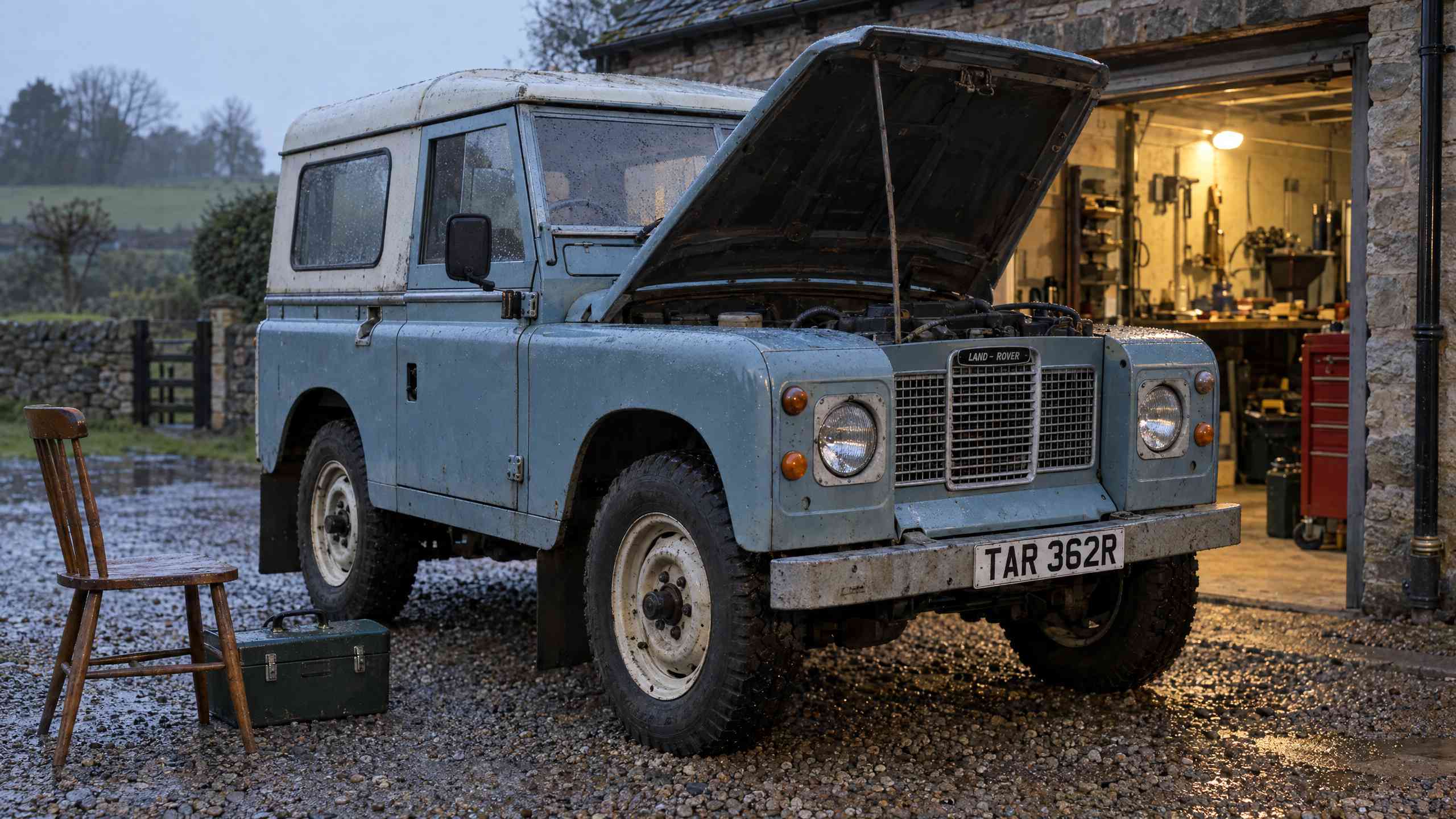
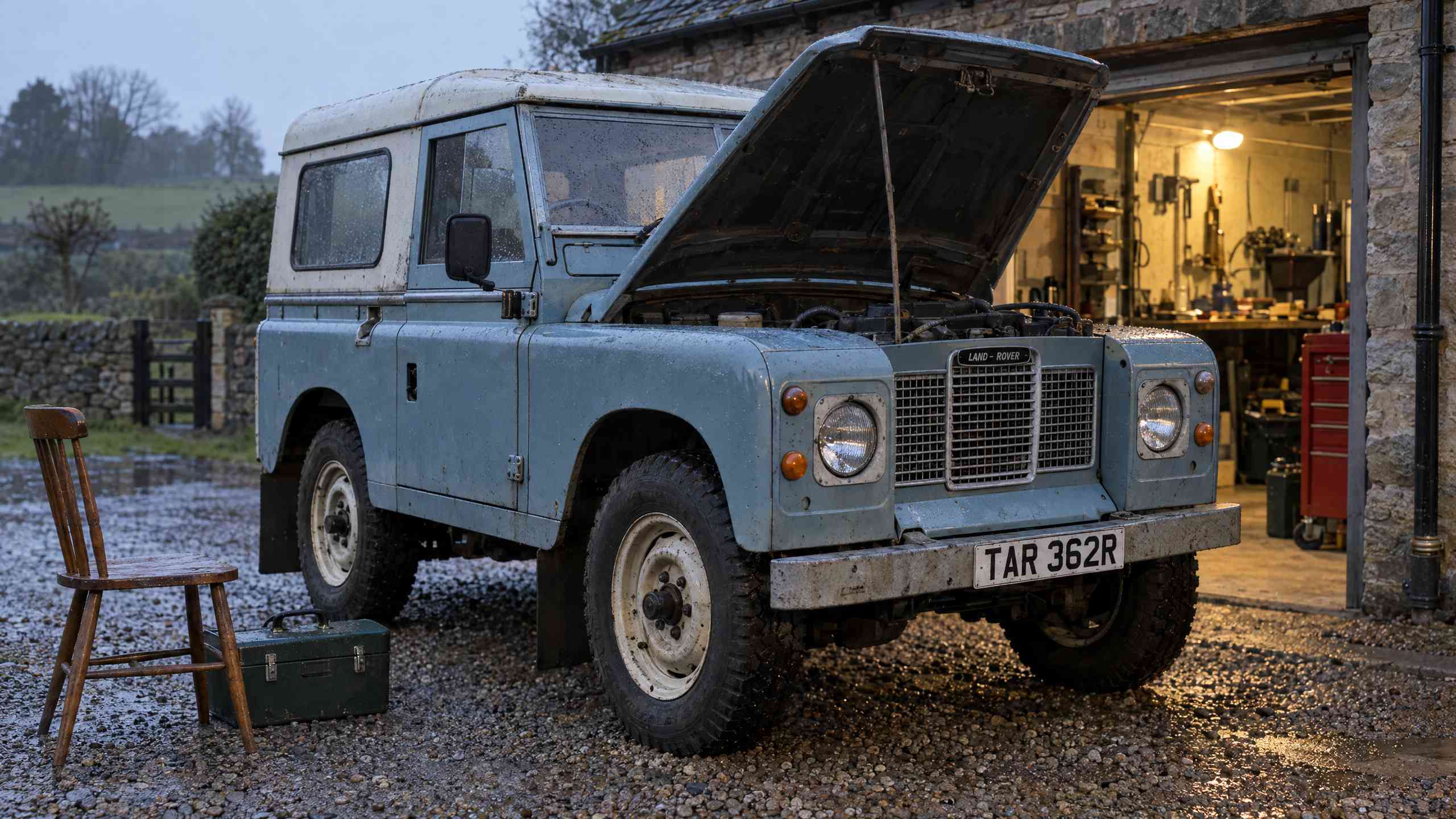
Then someone says, “It passed its MOT last year.” This is meant as reassurance, like telling a sailor the boat floated on Tuesday. Last year is another country, especially if the car has spent winter tucked beside a leaking gutter, or summer discovering every bump on a poorly surfaced B road. An MOT certificate is comforting, certainly, but it does not stop a rubber bush deciding it has fulfilled its earthly purpose halfway to the shops. It is evidence of a past victory, not a force field.
The next phrase usually arrives by phone, with a pause inserted for dramatic effect: “The garage called.” Nobody says this when the garage has polished the ashtray and wants to congratulate you. The garage calls because it has found something that requires a photograph, a decision, or a small meeting of the household finance committee. Your mind instantly prepares a list of suspects. Brakes. Carburettors. Wiring. The mysterious noise you swore was only a loose shopping bag. The bill may be modest. That changes nothing. The call itself has already taken three years off your life.
Questions no owner wants to answer
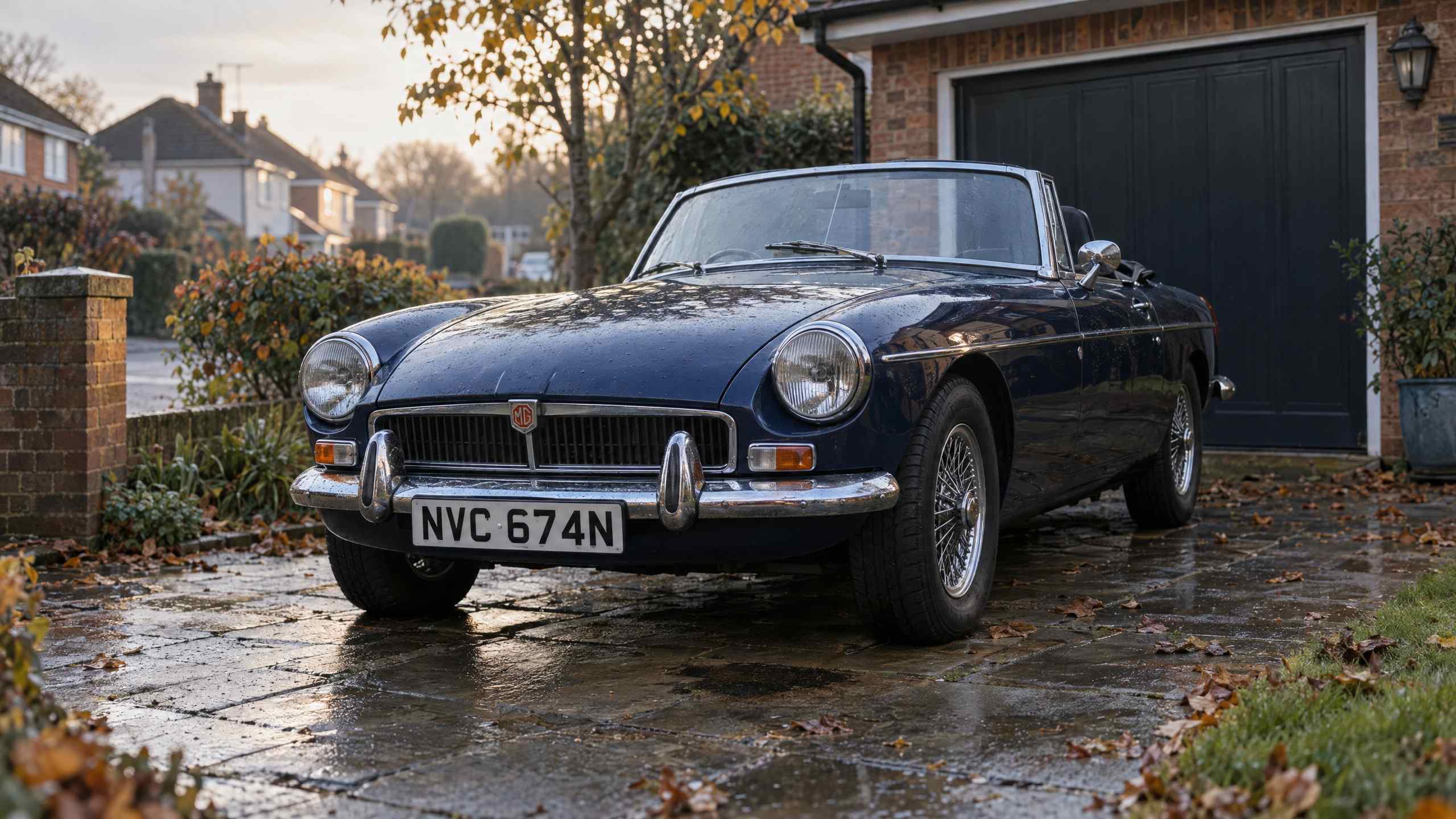
“That smell is probably normal” has started more arguments than a mislaid ten millimetre spanner. It might be normal. Older cars are wonderfully aromatic creatures, with notes of warm oil, petrol, leather, exhaust, old carpet and whatever the previous owner transported in 1987. But “probably” is doing very heavy work in that sentence. A smell can be a charming reminder of proper motoring, right up until it resembles a bonfire behind the dashboard. Every owner knows the ritual: sniff, frown, turn the heater off, turn it back on, and ask a passenger whether they can smell that.
Few words are more alarming than “I put some fuel in it.” Again, this ought to be a kind act. Yet the sentence raises questions before the speaker has put the nozzle back. What fuel? How much? Which tank, if the car is blessed with two? Was the cap fitted afterwards, or has it been placed thoughtfully on the roof beside a packet of mints? Classic cars can be perfectly happy with a sensible fuel routine, but they do enjoy making us remember it. Fuel gauges, in particular, occasionally treat accuracy as an optional extra.
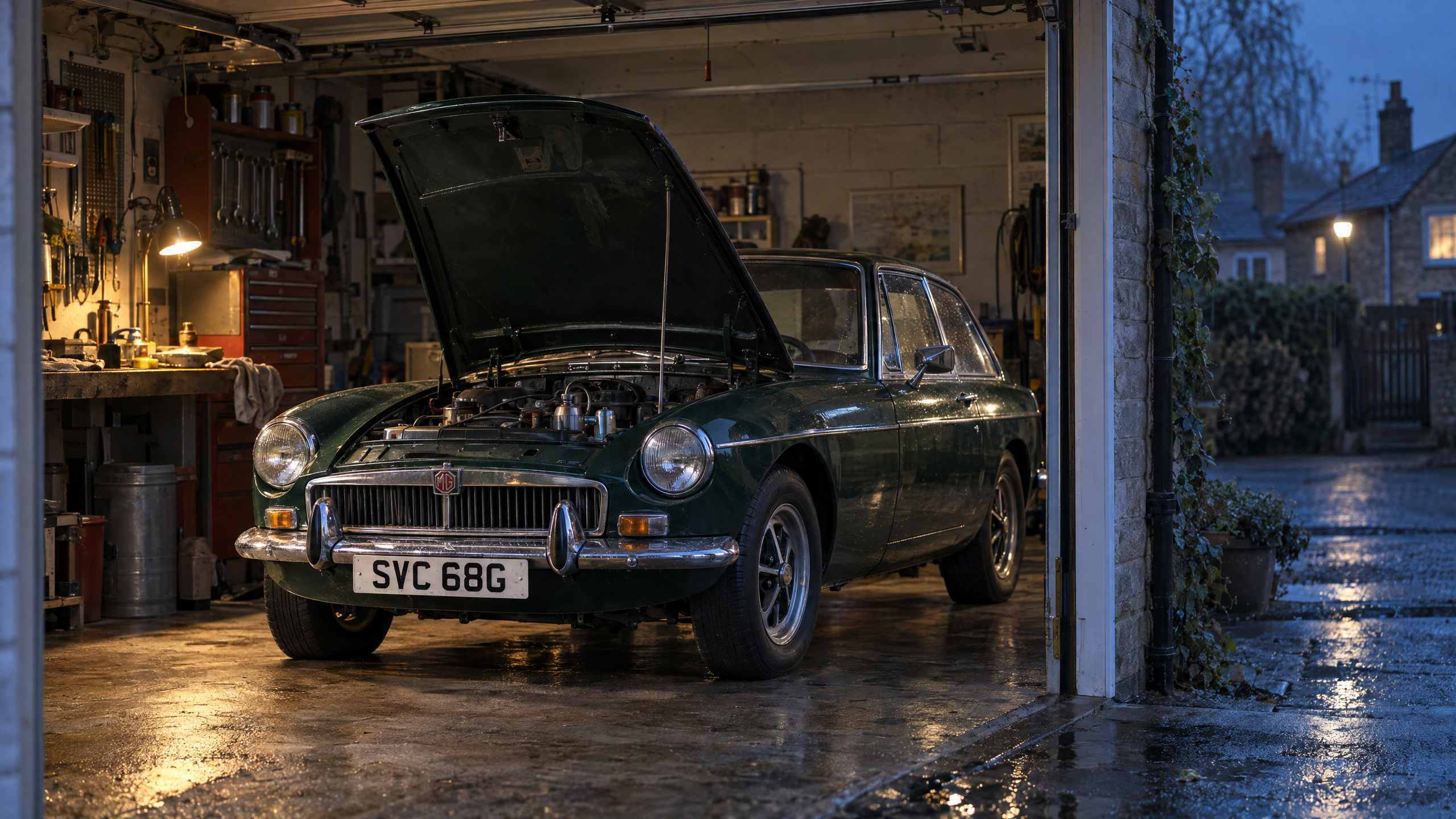
The helpers are coming
“Could you just give me a hand with this” is never followed by a request to hold a cup of tea. It means a bonnet, boot lid, engine, axle or inexplicably heavy seat is about to move through space in a manner that requires witnesses. The words “just” and “hand” are a trap. Before long, you are lying on cold paving stones while your friend explains that the bolt only needs persuading. Your role is to hold the torch at precisely the wrong angle, stop the car rolling, and locate a socket that vanished when Britain was still on decimal currency.
Naturally, these moments are part of the deal. We complain because a classic car can make a simple job feel like an archaeological dig with bruised knuckles. Yet there is a peculiar pleasure in solving the puzzle, hearing the engine catch, and driving home convinced that all is well. That confidence may last until the next unfamiliar rattle, but it is real while it lasts. A modern car may be quieter and more sensible, but it rarely gives you the same heroic feeling for having tightened one clip without dropping it into the engine bay.
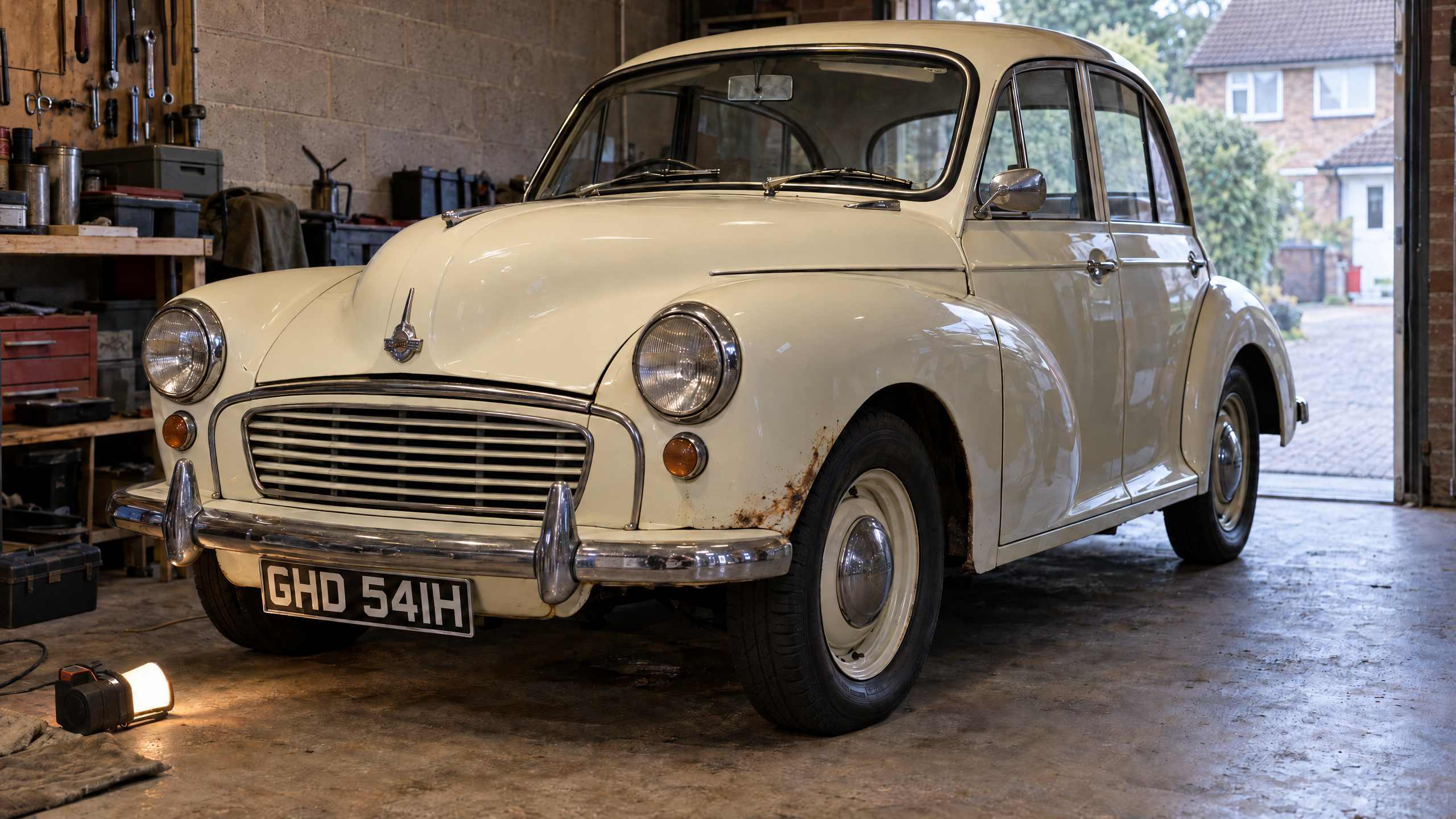
The sentence nobody wants
And then comes the grand finale: “I think you should sit down.” This is not a sentence reserved for weddings, lottery wins or the discovery of a forgotten tin of biscuits. In classic car ownership, it normally means a person with a serious face has found an issue of such theatrical importance that standing upright seems unwise. Perhaps it is structural. Perhaps it is financial. Perhaps the rare trim part you need is available only in a shed on the far side of the country, guarded by a gentleman called Keith who does not answer messages after four.
Still, we carry on. We buy another can of polish, browse parts late at night, and convince ourselves that a small improvement will take only an afternoon. The fear is part of the comedy, and the comedy is part of why the cars matter. A classic does not simply transport you. It introduces you to strangers at petrol stations, teaches you new words for awkward fasteners, and gives every journey the faint suspense of a ghost story. Which phrase makes you reach for the tea, the toolbox, or a very sturdy chair?