Let's be honest, when you think of 1970s sports cars, your mind probably wanders to the likes of Jaguar, Porsche, or maybe even a cheeky Alfa Romeo. But what if I told you that one of the most important, and frankly brilliant, sports cars of that decade came from a manufacturer known more for its sensible family cars? I am of course talking about the Datsun 240Z, a car that didn't just change the game, it rewrote the rulebook entirely.
Before the 240Z, Datsun (or Nissan as we know them now) wasn't exactly a name synonymous with performance. But behind the scenes, a visionary named Yutaka Katayama, or 'Mr. K' as he was affectionately known, had a dream. He wanted to build a sports car that was stylish, fast, and reliable, a car that could take on the European elite without the eye watering price tag or the temperamental tendencies. The result was the 240Z, a car that looked like a million dollars but didn't cost it.
A stroke of genius
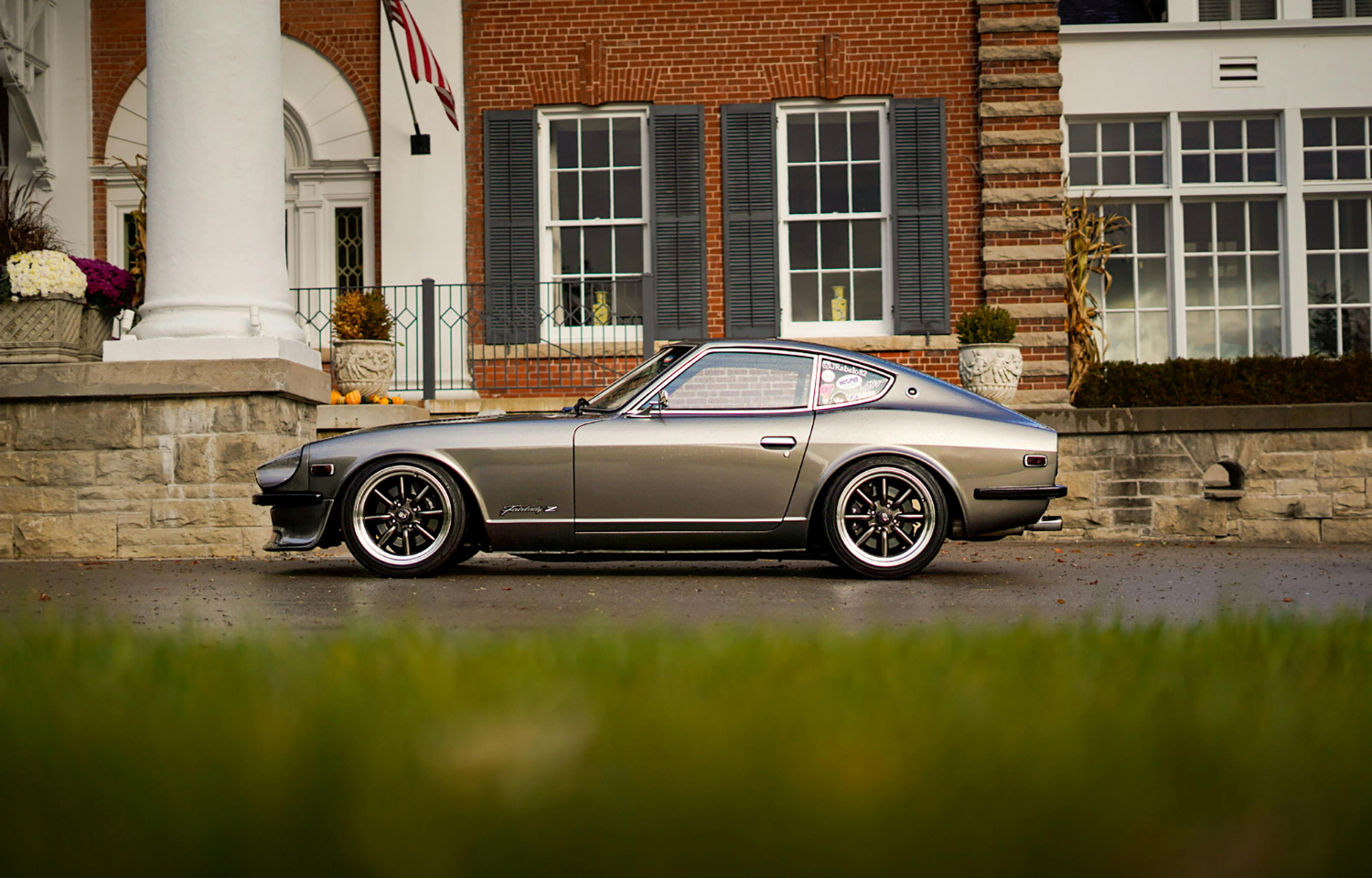
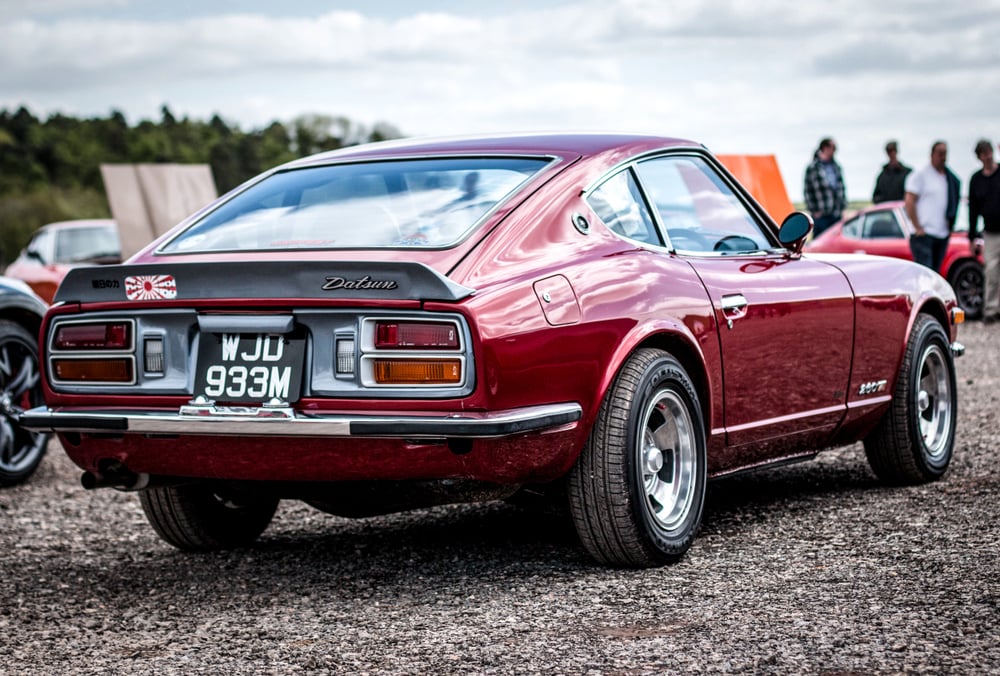
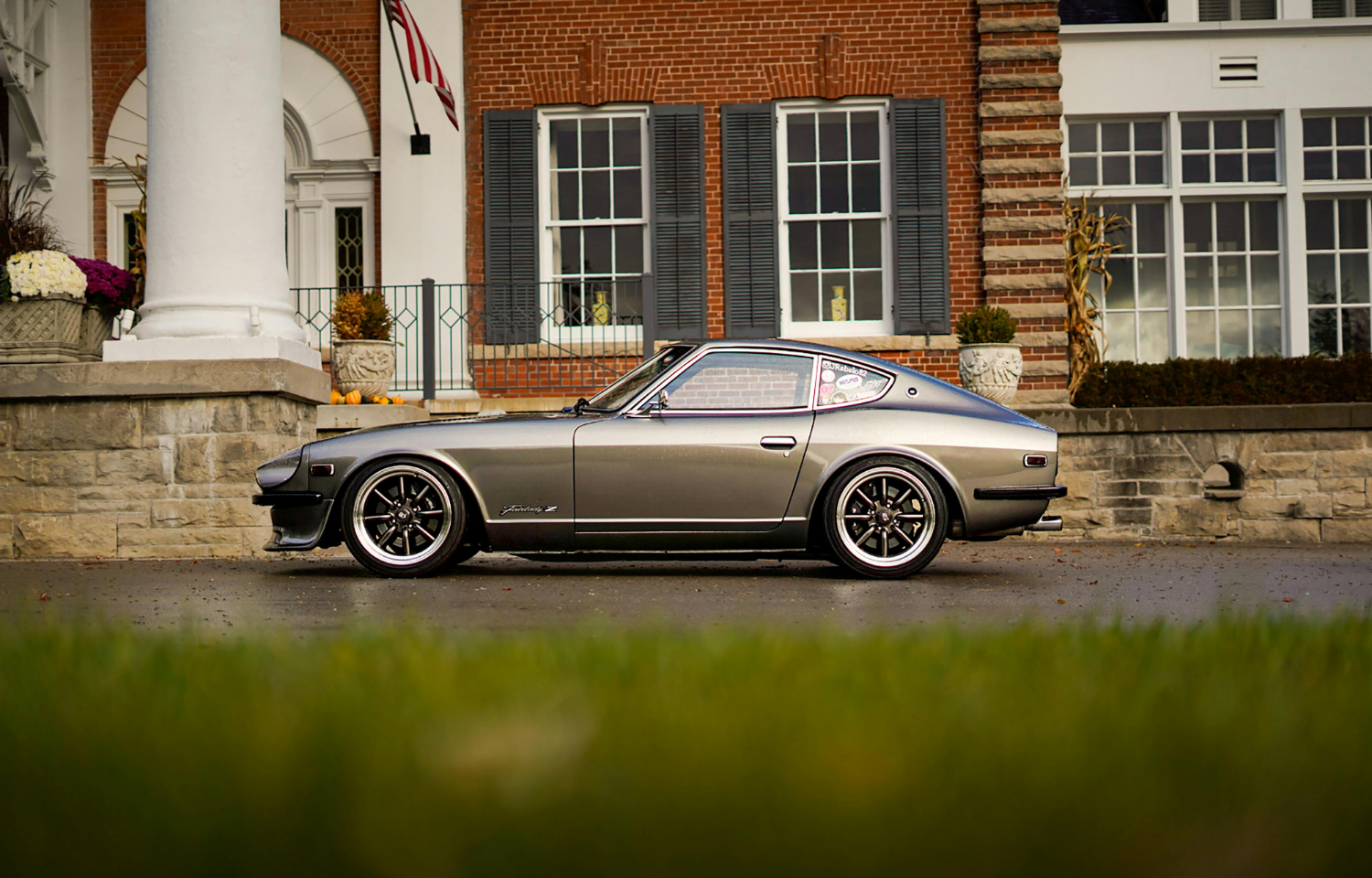
The 240Z's design is a masterclass in sports car styling. With its long, elegant bonnet, short, pert rear and classic fastback profile, it's a car that still turns heads today. It's no secret that the Jaguar E-Type was a major inspiration, but the 240Z is no mere copy. It has its own distinct personality, a unique blend of European grace and Japanese precision. It was a car that looked just as good cruising down a sun drenched American highway as it did parked outside a swanky London restaurant.
Underneath that beautiful bodywork, the 240Z was just as impressive. It featured a 2.4 litre straight six engine that was both smooth and powerful, delivering around 150bhp. This was paired with a fully independent suspension all round, a feature that was far from common on cars of this price point. The result was a car that handled beautifully, with a poise and balance that surprised many of its more established rivals. It was a car that was just as happy on a winding B road as it was on a long motorway cruise.
A winner on the track and in the wild
The 240Z wasn't just a pretty face that looked good in showrooms. It proved its mettle in some of the toughest motorsport events on the planet. In the gruelling East African Safari Rally, one of the most demanding events in the world, the 240Z took overall victories in 1971 and 1973. These weren't just wins; they were statements. Here was a Japanese car, from a brand known for economy cars, beating the established European names at their own game.
In America, the story was much the same. Brock Racing Enterprises and Bob Sharp Racing dominated SCCA C Production racing, racking up championship after championship. It was Bob Sharp, incidentally, who introduced a young Paul Newman to motorsport in a Datsun. The 240Z wasn't just reliable; it was fast, tuneable, and tough as old boots. It was a car that made heroes out of privateers and proved that you didn't need a bottomless budget to go racing.
More than just a weekend toy
But the 240Z's appeal went far beyond its looks and motorsport pedigree. This was a sports car that you could actually use every day. It was reliable, well built, and surprisingly practical. The hatchback design meant you could actually fit a decent amount of luggage in the back, making it a surprisingly capable grand tourer. And unlike many of its European counterparts, it was a car that would start on a cold morning and wouldn't throw a tantrum if it got a bit wet.
This combination of style, performance, and reliability made the 240Z a huge success, particularly in the United States where it sold in enormous numbers. Between 1969 and 1973, around 168,000 240Zs rolled off the production line, with the vast majority heading to America. It was a car that proved that you didn't have to be a millionaire to own a proper sports car. It was a car for the people, a car that brought a touch of glamour and excitement to the everyday.
 Buying a legend
So, what's it like to own a 240Z today? Well, the good news is that they are still relatively affordable, although prices have been steadily rising in recent years. You can pick up a project car for as little as £5,000, while a good, solid example will set you back somewhere in the region of £25,000 to £40,000. Of course, pristine, low mileage cars can fetch a lot more, with some exceptional examples selling for over £70,000. Right hand drive UK cars are rarer than their American counterparts, so expect to pay a premium for a genuine British car.
When it comes to buying a 240Z, the biggest thing to look out for is rust. Like many cars of this era, they can suffer from corrosion, particularly in the sills, floorpans, chassis rails, and around the wheel arches. The battery tray and spare wheel well are also notorious rust traps. So, it's essential to give any potential purchase a thorough inspection, ideally on a ramp. The good news is that parts are readily available, and there's a fantastic community of owners and specialists who can help you keep your Z on the road.
The Datsun 240Z is a true classic, a car that deserves its place in the motoring hall of fame. It's a car that proved that you could have style, performance, and reliability in one affordable package. It's a car that changed the way the world looked at Japanese cars, and it's a car that still puts a smile on your face every time you get behind the wheel. If you're looking for a classic sports car that's a bit different from the norm, then the Datsun 240Z is a car that you should definitely consider. Just make sure you bring a magnet.


.png?width=26&height=26&name=youtubemobile%20(Custom).png)
.png?width=26&height=26&name=instgrammobile%20(Custom).png)