


A car meet-up (or meet) is a gathering of car owners and car lovers at a certain place, at a set...



The first rule of spooky motoring
There comes a point in every proper horror film when the sensible hatchback coughs once, dies twice and leaves our hero holding a torch with the battery life of a cheese sandwich. This is where classic car ownership finally earns its keep. Forget silver screen glamour. Tonight, we are asking which old motor is most likely to start, carry you away from the cursed village and deposit you somewhere with streetlights, a kettle and no chanting.
This is not driving advice for escaping anything more dangerous than an overdone fancy dress party. It is a Halloween thought experiment, conducted with affection, mild fear and an imaginary breakdown card. The cars below are judged on useful old car virtues: mechanical straightforwardness, sensible character and the chance that they will not choose midnight in a wood to discuss their feelings.
Number five: the glamorous decoy
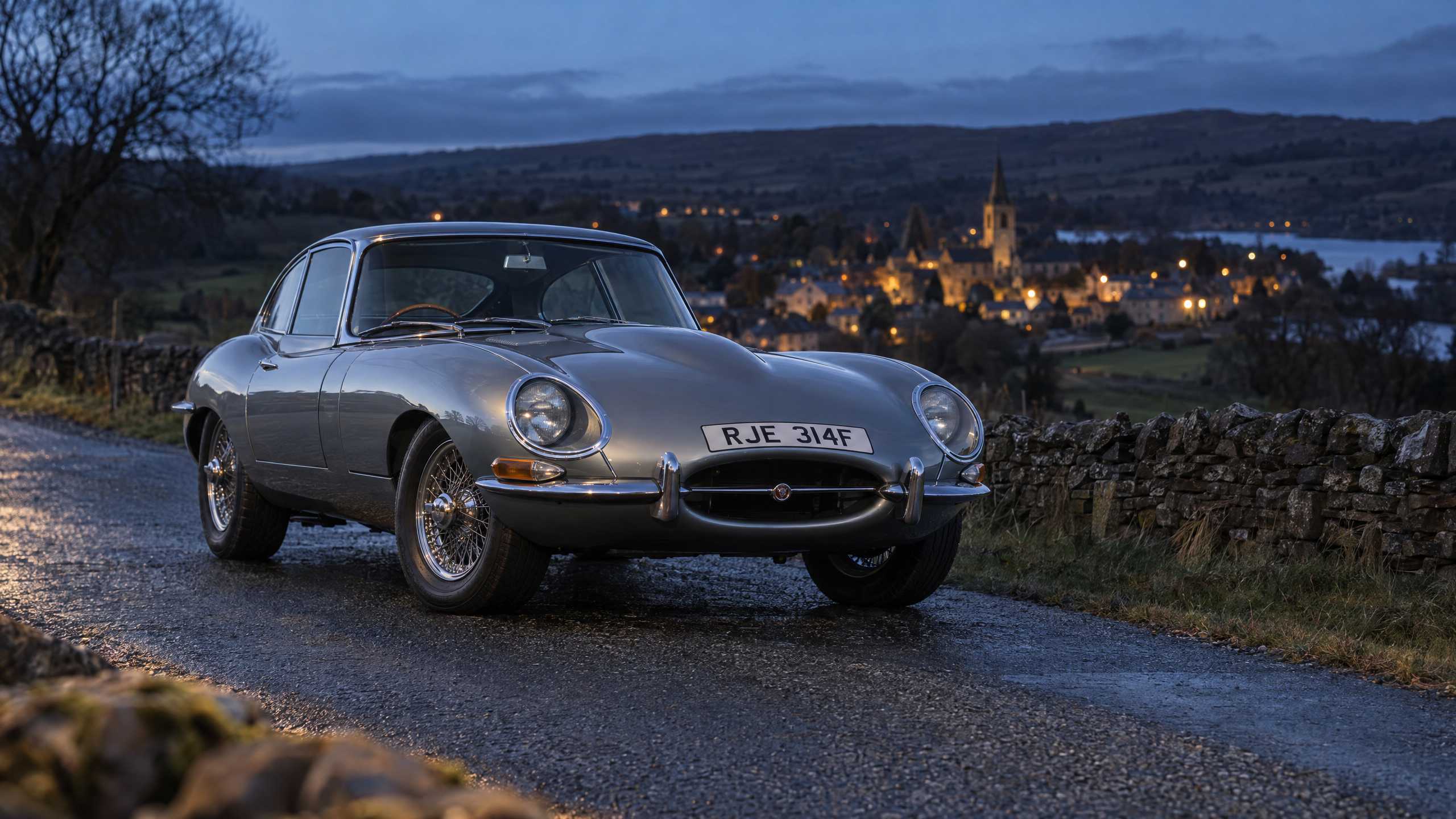
The Jaguar E Type is perhaps the prettiest car ever made, which is both a blessing and an administrative headache when a monster is drumming on the roof. Jaguar produced 72,512 E Types between 1961 and 1974, so it has a proper claim to classic stardom rather than merely posing under a sheet in a haunted house. It is the car for a dramatic getaway, provided you accept that every fuel stop will involve someone saying, “Is that real?” while the werewolf catches up.
Its launch story already has a thrilling dash built in. Two launch cars were driven from Coventry to Geneva under serious time pressure for the 1961 debut, which suggests a certain aptitude for tense journeys. Yet this ranking is about getting home, not looking magnificent beside a fog machine. An E Type deserves a careful, well maintained example and a driver who knows it. It might save you, but you will arrive needing a lie down and a highly sympathetic bank manager.
Number four: romance with a towel
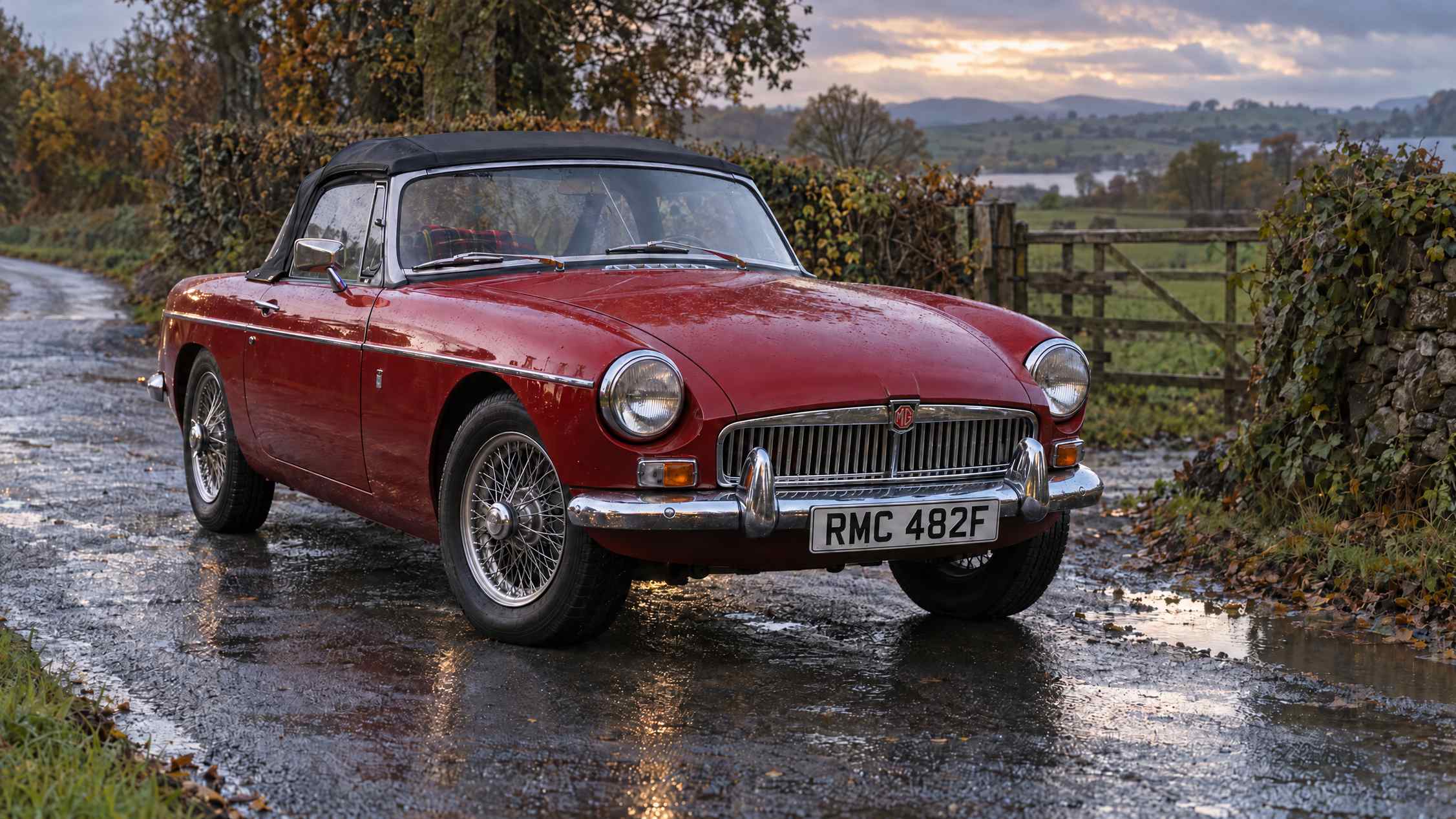
The MGB understands the appeal of an evening run, but it has a complicated relationship with British weather. Produced from 1962 to 1980, it enjoyed a long and successful life, while the GT joined the range in 1966 for those who preferred autumn motoring with a roof and a little more luggage space. Early cars are generally robust, which is useful when the moon is full and the map has been eaten by a raven.
The caveat is water. Pack away and folding hoods are not watertight, so a storm can turn your escape into a mobile wash cycle. Early Lucas generators and alternators can also be weak, and even the bravest survivor loses confidence when the lights begin to fade politely. That does not make an MGB a bad classic. It makes it a fine choice for a dry evening, with maintenance attended to, and a less convincing one if rain, graveyards and electrical suspense are on the itinerary.
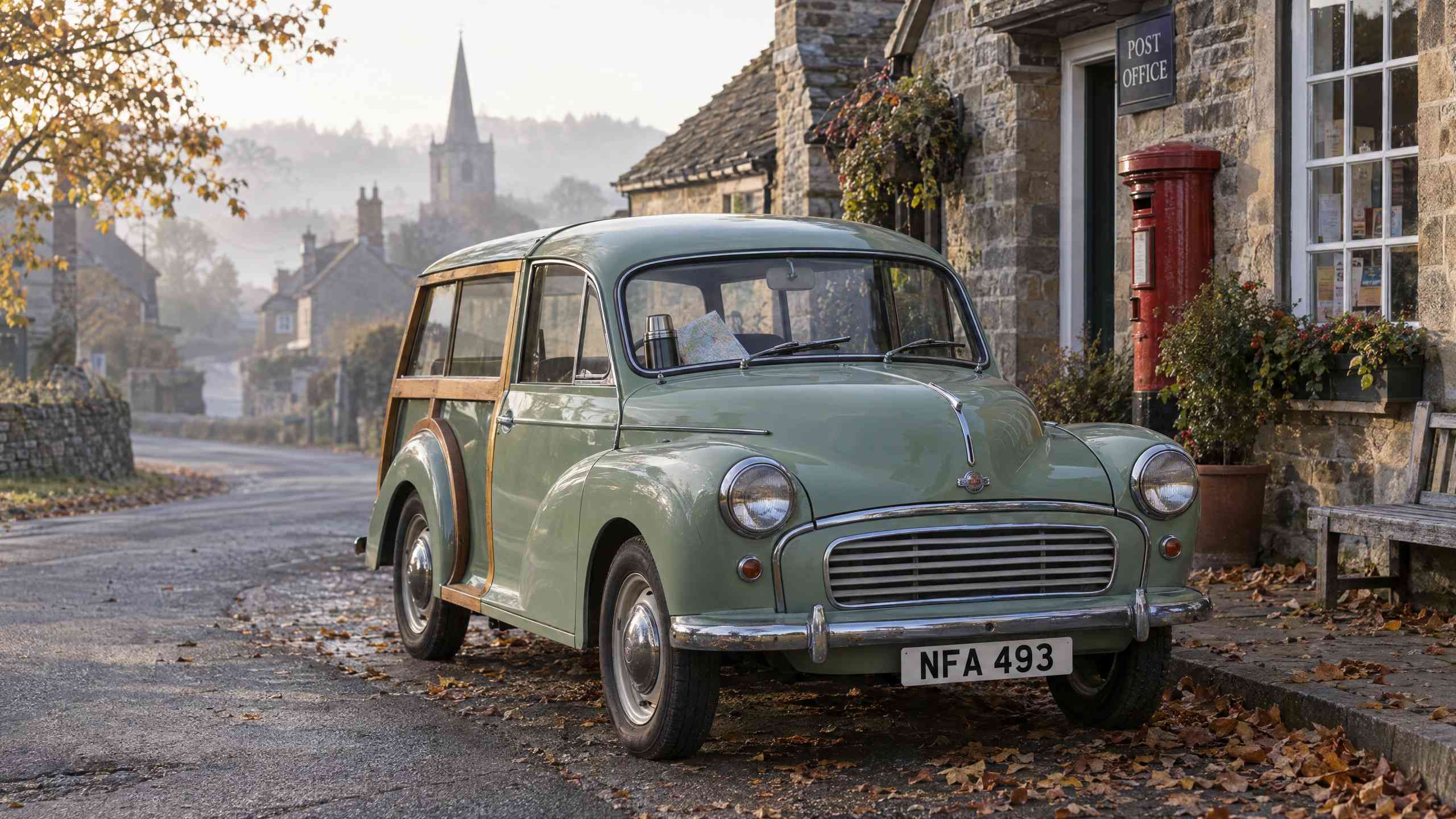
Number three: pluck beats speed
The Morris Minor is the cheery underdog whose face seems incapable of planning a betrayal. Designed by Alec Issigonis, it was produced in considerable numbers over 23 years, with 1,288,000 made. That is a lot of opportunities for someone, somewhere, to learn what every bit does when it starts making a noise. In a horror film, that knowledge is arguably more valuable than a glovebox full of garlic.
There was a Minor for several styles of imaginary escape. The Traveller is ready for blankets, torches and the anxious friend who claims they heard something, while the Tourer lets you experience the entire weather system. It is not the fastest route out of trouble, but it is the sort of car that feels as if it would keep trying with a determined little chug. Proper maintenance is the real treat here. The Minor is not glamorous, but neither is surviving until the credits.
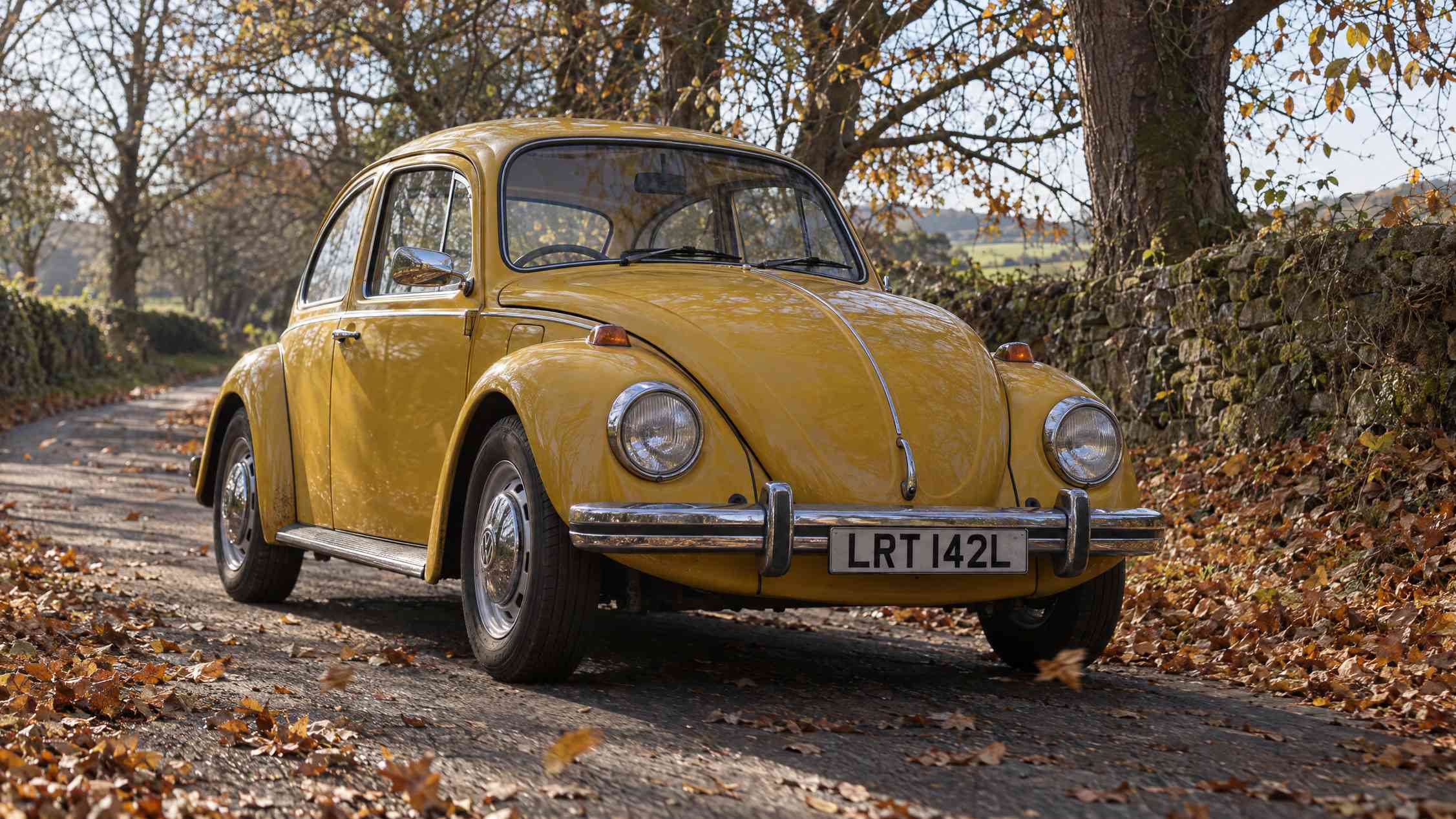
Number two: the persistent little Beetle
The Volkswagen Beetle is not included because it can outrun a werewolf. That would be unfair to both the Beetle and the werewolf. It is here because its determined little shape gives the impression that it would carry on while the entire plot became increasingly ridiculous. A carefully looked after example feels like the four wheeled equivalent of someone who brings a flask, a spare torch and no interest in exploring the cellar.
It is also small enough to make a tight turning point feel less like a three point manoeuvre and more like a modest act of self preservation. That is a joke, not a substitute for careful driving, and old cars still need proper preparation before any journey. But in cinema terms, the Beetle has the right energy. It would not offer a stirring speech. It would simply putter away from danger, probably while something enormous tripped over a garden gate behind it.
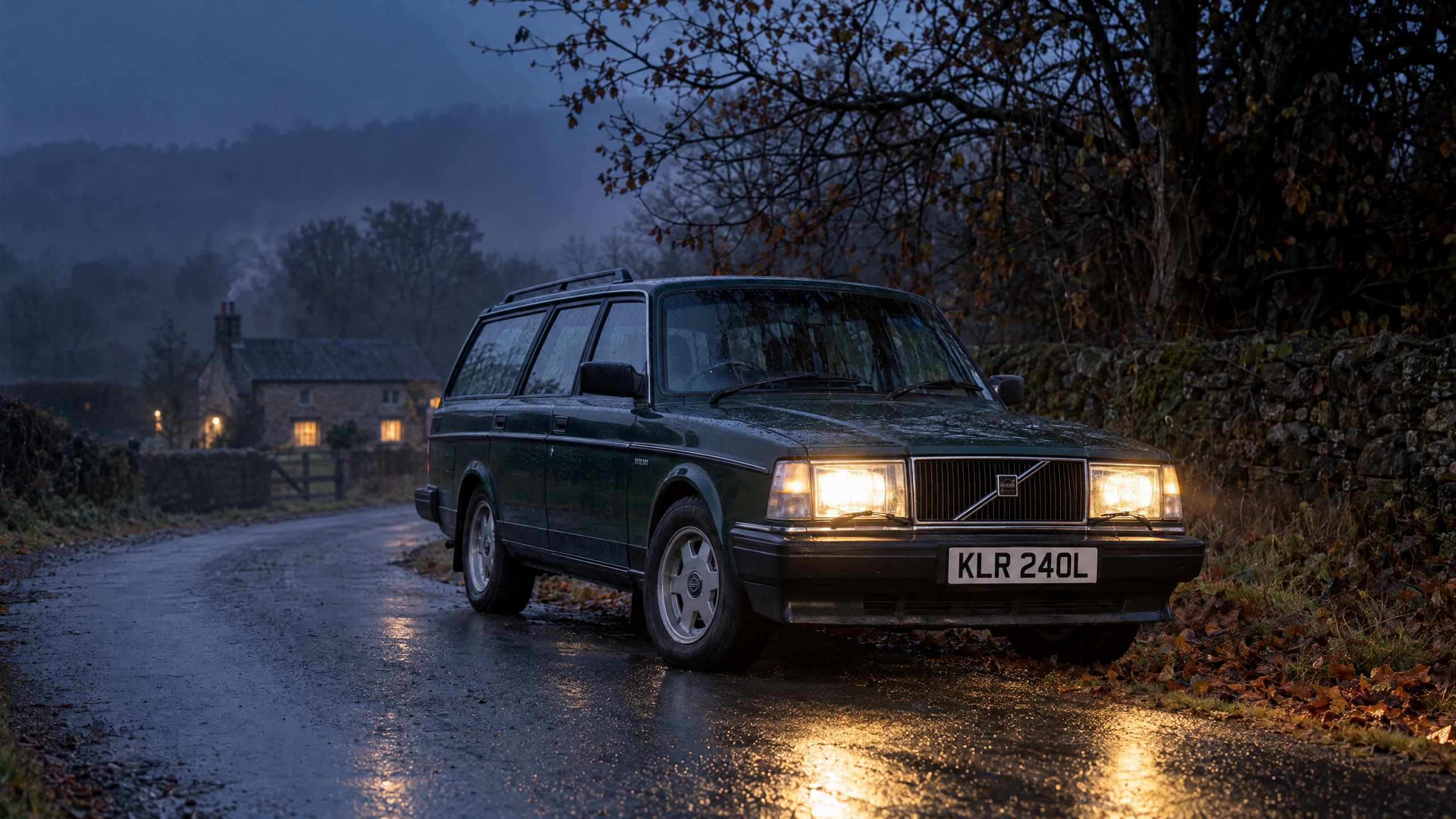
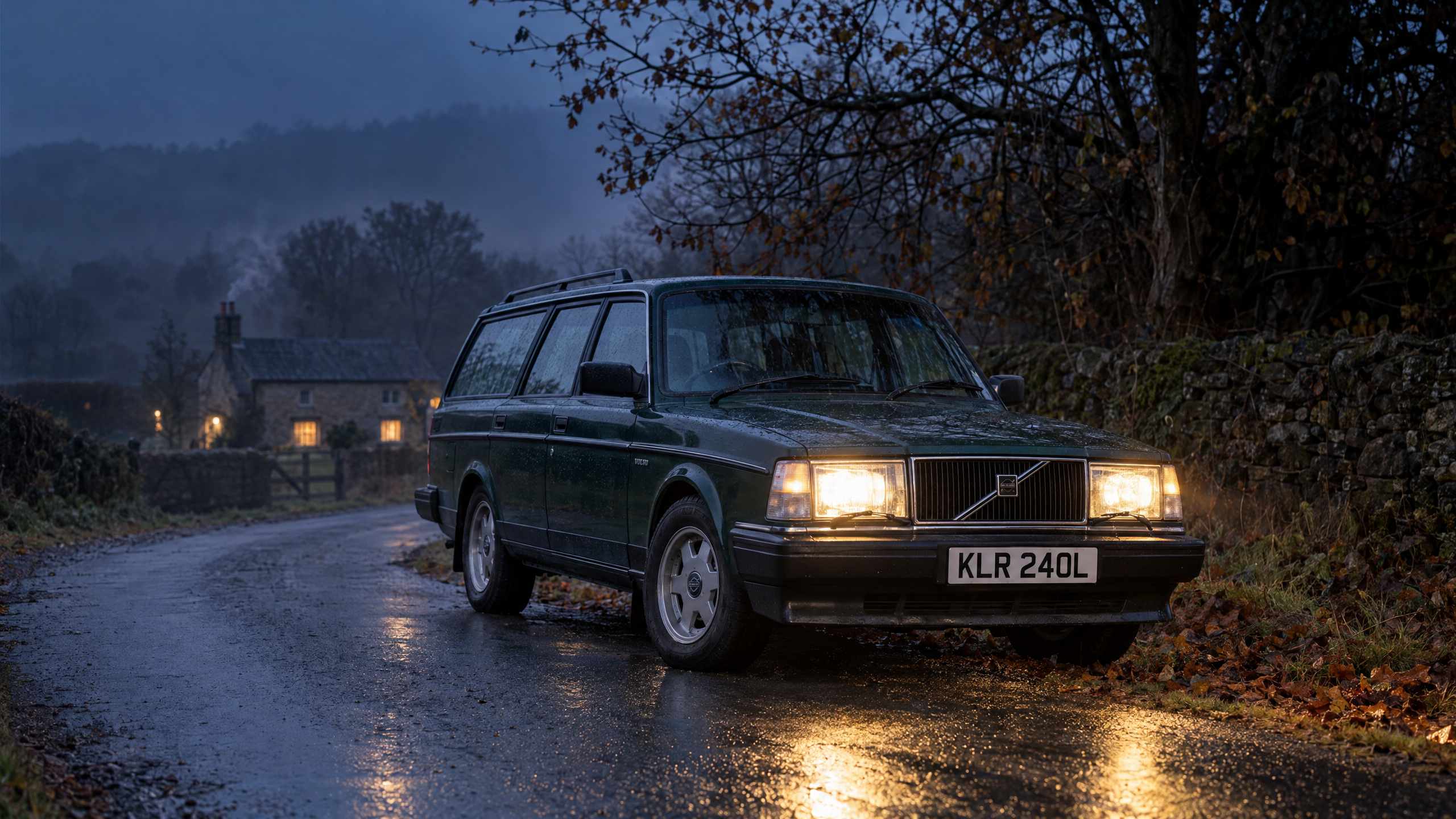
And the winner: the Volvo 240 wagon
The Volvo 240 wagon wins, even if it would find the word “wins” a bit showy and ask whether everyone has packed a jumper. Volvo launched the 240 in 1974 and made 2.8 million examples across 19 years. It came as a saloon, wagon and coupé, with the wagon being the obvious horror film choice for carrying friends, bags, provisions and the person who insists on bringing the cursed mirror along.
The 240 is known for durability and safety, two qualities that are less fashionable than chrome but considerably more welcome when a film soundtrack starts playing a single piano note. Its square load bay has room for the group and whatever has followed them out of the house, although it is best not to test that final point. Keep any classic properly maintained, fuelled and insured, of course. Still, if a dark lane closes in and a shadow moves at the edge of the headlights, which classic would you trust to carry you safely towards tea, toast and a very firm locking of the front door?

A car meet-up (or meet) is a gathering of car owners and car lovers at a certain place, at a set...

Being part of a car auction, either in person or online, offers a thrilling opportunity to snag a...

It appears that classic car owners in the UK could soon face some significant changes regarding the...