


.png?width=26&height=26&name=youtubemobile%20(Custom).png)
.png?width=26&height=26&name=instgrammobile%20(Custom).png)


The roar of a Ferrari's engine, the sleek lines of its body and the sheer thrill it brings to those...
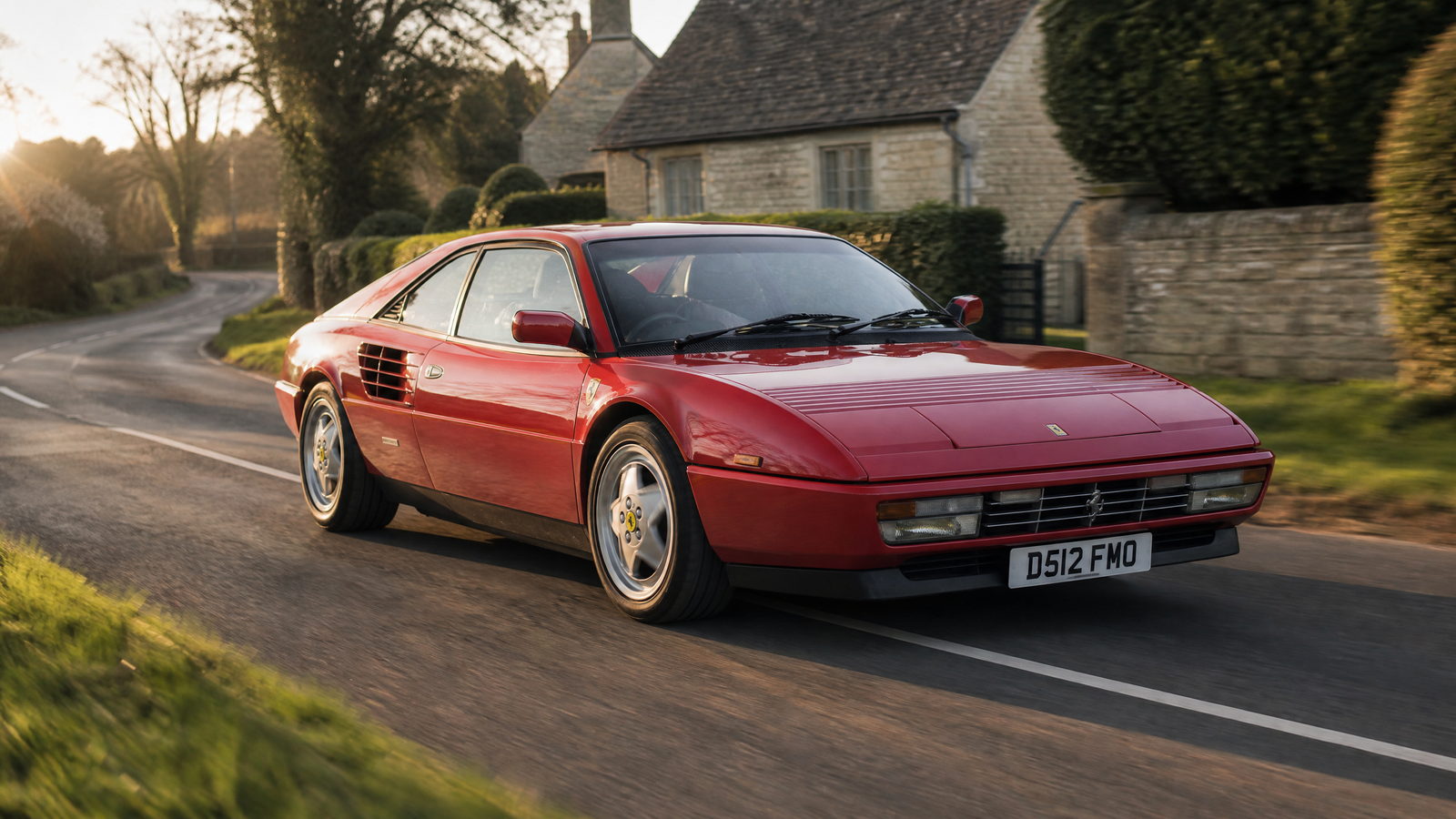



There are Ferrari people, and then there are Ferrari people who get funny about the Mondial. The first group sees a handsome Pininfarina 2+2 with a V8 behind the seats, a gated manual gearbox and enough luggage space to make a weekend away feel faintly civilised. The second group sees the car that dared to put practicality ahead of poster appeal and takes it as a personal insult. They are wrong, obviously. A good Mondial is not a cut price 328, and it does not need to be. It is a relaxed, usable, gloriously analogue Ferrari that happens to have rear seats and a reputation much sillier than the car deserves.
It is not, however, a bargain in the cheerful old MGB sense. A neglected Mondial is a Ferrari with a low purchase price, which is very different from a cheap car. The bills still arrive speaking fluent Maranello. Buy a cherished example with evidence of specialist care and you could have one of the most appealing ways into V8 Ferrari ownership. Buy the bright red mystery with a missing service book, a warm engine and a seller who says “they all do that”, and you may be funding somebody else’s bad decisions for years. The key is knowing which Mondial suits you and where the expensive trouble likes to hide.
Which Mondial are you actually looking at?
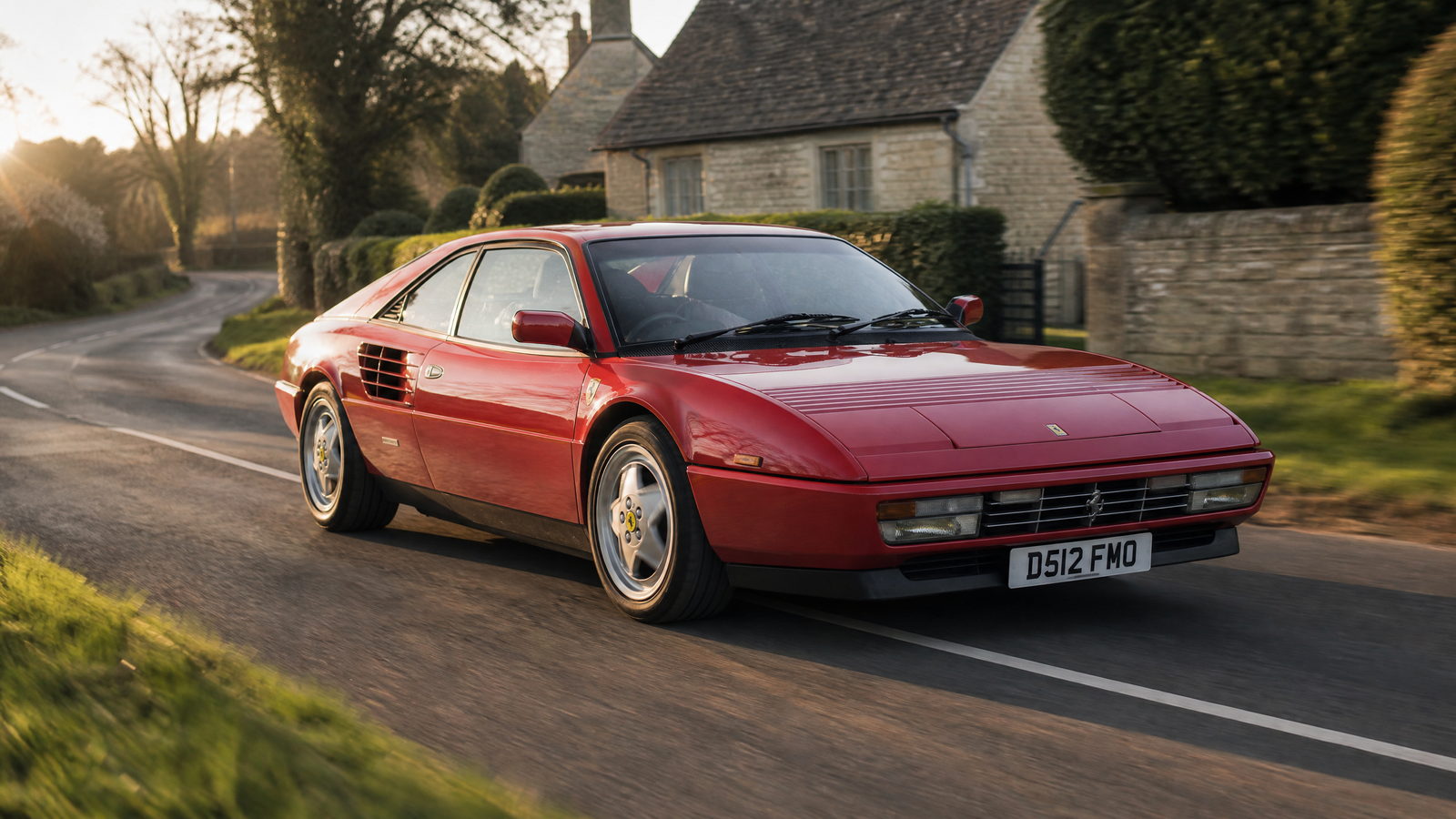
The range began in 1980 with the Mondial 8. It used a fuel injected 2.9 litre V8 producing 214 bhp, and it replaced the Bertone styled 308 GT4 as Ferrari’s mid engined 2+2. It is the least brisk version, but that does not make it useless or undeserving of its badge. It is simply a grand tourer rather than a junior supercar, happiest when allowed to cover ground rather than perform traffic light theatre. In 1982 the Quattrovalvole, usually called QV, brought four valves per cylinder and 240 bhp. The Cabriolet arrived a year later, giving Ferrari the only production mid engined four seat convertible of its era. That is a splendid pub fact, even if the rear seats are better suited to children, soft bags or a jacket that prefers a fine Italian view.
The 3.2 replaced the QV in 1985, adding a 270 bhp V8, body coloured bumpers, revised lights and a nicer cabin. It is widely considered a sweet spot because it feels properly quick and still avoids the later car’s more involved servicing. The final version, the 1989 to 1993 Mondial t, gained a 3.4 litre 300 bhp V8, power steering, revised styling and electronic dampers. Its t refers to the longitudinal engine and transverse gearbox arrangement, inspired by the Ferrari 312 T Formula 1 car. It is the fastest and most developed Mondial, but it also asks the biggest question of your maintenance fund. As ever, a wonderful 3.2 with proof of care is a far cleverer purchase than a tired t with an exciting advert.
Start underneath, not with the badge on the bonnet
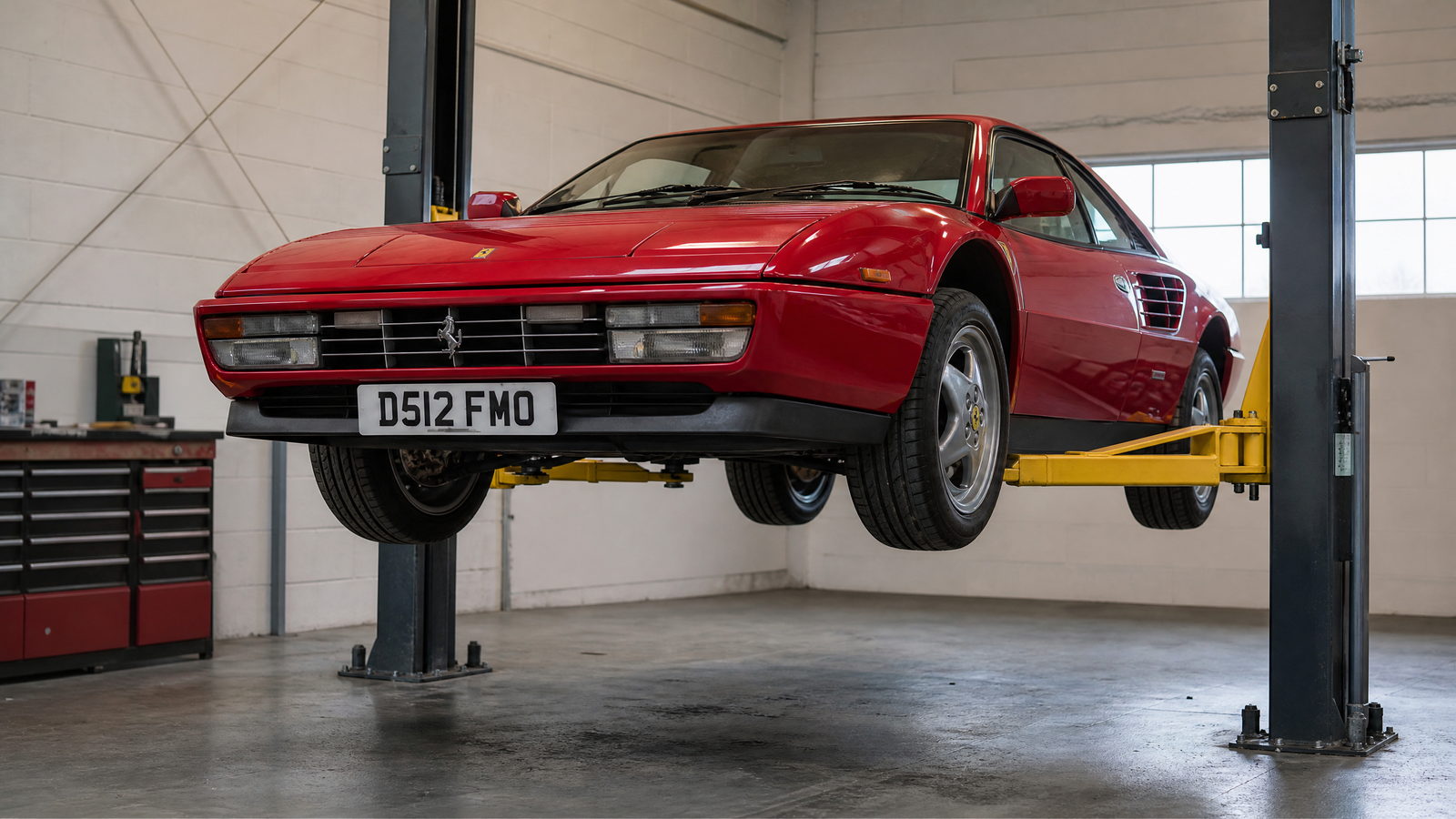
The Mondial has a steel body, a tubular steel chassis and GRP floor sections. It is not famed for terminal structural rot in the way some Italian classics are, but that is not permission to inspect it through rose coloured spectacles. Start at the front and rear wheelarches, sills, lower front wings, door bottoms and A pillars. Pay particular attention to the joint where the roof meets the rear buttresses, and lift carpets where the seller allows it. Bubbling paint, thick fresh underseal, soggy trim or panel gaps that seem to be having a disagreement all deserve a proper look on a lift. Replacement panels are not the sort of thing you casually add to an online basket at half ten on a Tuesday night.
On early 8 and QV cars, inspect the aluminium bonnet and engine lid for corrosion, dents and clumsy repairs. The lower front and rear sections use GRP, so cracks and poor previous repairs matter too. Pop up headlamps should rise, fall and stay put without a sulk. On a coupé with a sunroof, make sure the roof actually moves because seized cables and tired gears can turn a sunny day feature into an expensive strip down. Cabriolets need the same forensic approach. Look at hood fabric, the clarity of the rear screen, the fit of the cover and the fragile catches. A tatty hood is annoying. Water finding its way into an already temperamental electrical system is a much bigger party.
The V8 is strong when it has not been treated like a garden ornament
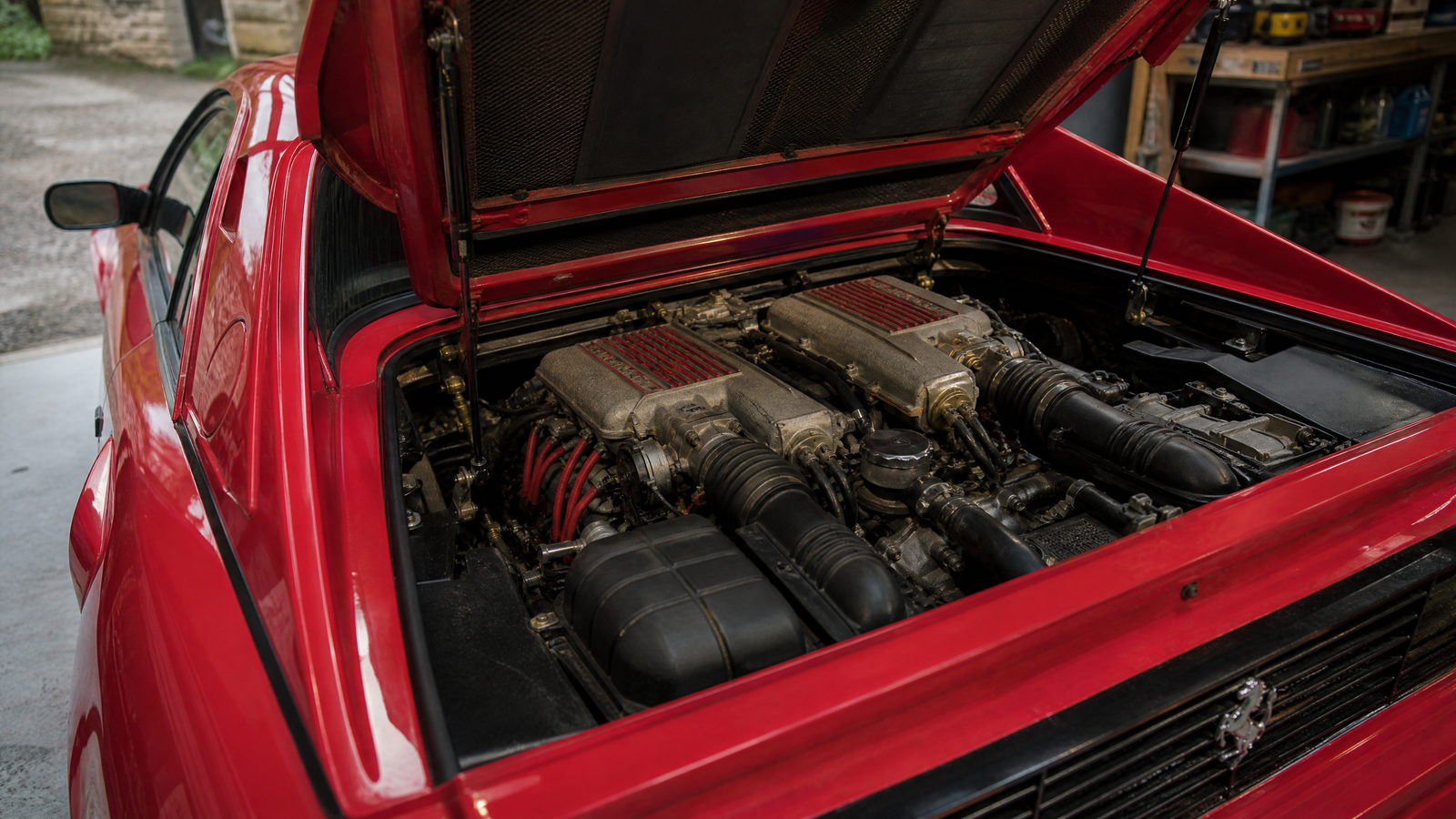
A Mondial engine should be started cold. Look for excessive smoke, listen for unhappy mechanical noises and let it settle before anyone reaches for the throttle. Camshaft oil seals and cam cover gaskets can leak, while blue smoke can indicate bore, ring or valve stem seal wear. The vital question is timing belt history. Independent guides consistently specify a belt and tensioner service at three years or 30,000 miles, whichever arrives first. On the 8, QV and 3.2 the job can be done with the engine in the car. On a Mondial t the rear subframe needs to be dropped, so the same essential task costs materially more. Missing evidence is not a minor negotiating point. It is a reason to assume the work is due immediately.
Cooling deserves equal suspicion. The radiator sits at the front while the engine lives behind the cabin, so there is a lot of pipework, hose and opportunity for neglected coolant to create misery. Check the radiator, pipes, hoses and expansion tank for corrosion, staining and recent leaks. Watch the temperature gauge on a proper drive and leave the car idling afterwards. It should not overheat, smell strongly of coolant or reward you with a puddle. The five speed ZF manual can feel stiff until the oil is warm, but it should improve rather than fight you all afternoon. Check every gear, listen for transmission noise and make sure it does not jump out of gear. Late t cars could be specified with the rare Valeo clutchless manual system. It is clever in the way a 1990s fax machine was clever, but a conventional manual is the less anxious choice.
Suspension, brakes and tyres: do not mistake tiredness for character
All Mondials use independent double wishbone suspension and, in good health, the car should feel supple, stable and surprisingly easy to place. Worn bushes, exhausted dampers, tired springs and old tyres can make one feel vague and oddly cross with the road. The t’s electronically controlled dampers must work in every setting, and any warning light needs investigation rather than optimism. Rebuilding those dampers is possible, but it does not belong in the category marked “cheap Saturday jobs”. Check CV boots for splits, look for fluid leaks from power steering on the t and inspect every suspension mounting while the car is elevated.
The brakes are discs all round. ABS became optional during the 3.2 era and standard from 1988, so it should be tested where fitted. The pedal needs to feel firm, the car should stop straight and none of the calipers should bind after a run. Early cars were fitted with 390 mm metric wheels, and suitable tyres are still available, but they are costly and age matters as much as tread. Some cars have later 16 inch wheels, often from a 348, which can be a sensible upgrade if they fit properly and have been declared to the insurer. Whatever is fitted, four matching quality tyres are a sensible place to spend money. A Ferrari on ancient rubber is not charmingly original. It is merely trying to meet a hedge before you do.
The electrics need a full interrogation, preferably before lunch
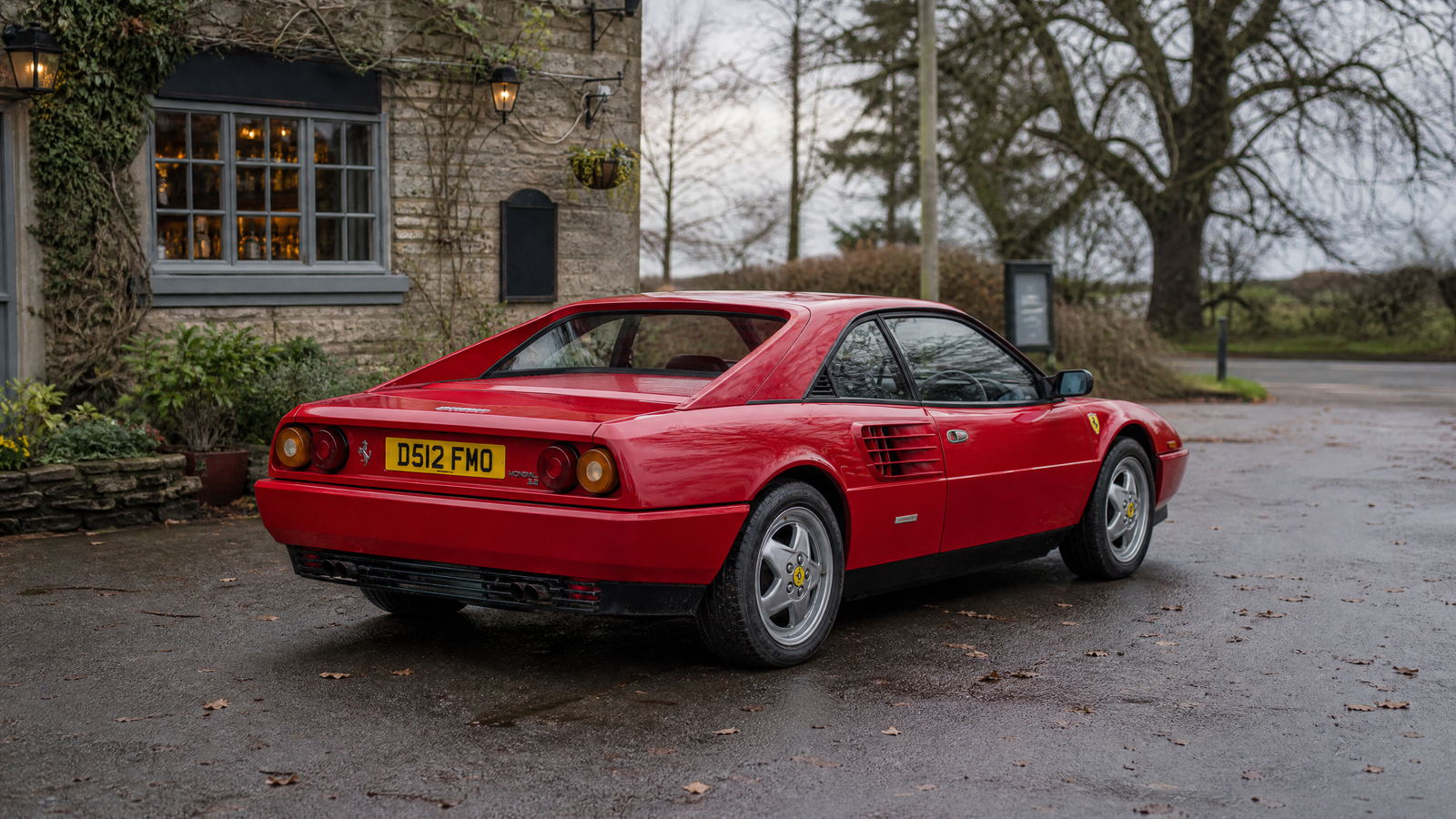
The Mondial’s greatest talent for mischief is electrical. Early cars in particular suffer from corroded connectors, tired relays and fuse board problems, while a weak battery or long storage can bring a small festival of dashboard oddities. The original fuse box can overheat and damage its circuit board, so do not skip a close inspection. Ferrari replacement parts have historically been eye watering, although specialist alternatives exist. Operate every switch and do not accept “I never use that” as evidence that a system is healthy. Test both windows, lights, indicators, heater blower, wipers, horn, mirrors, locks, fuel gauge, warning lamps and air conditioning. The windows are slow by modern standards, but slow is not the same as stationary.
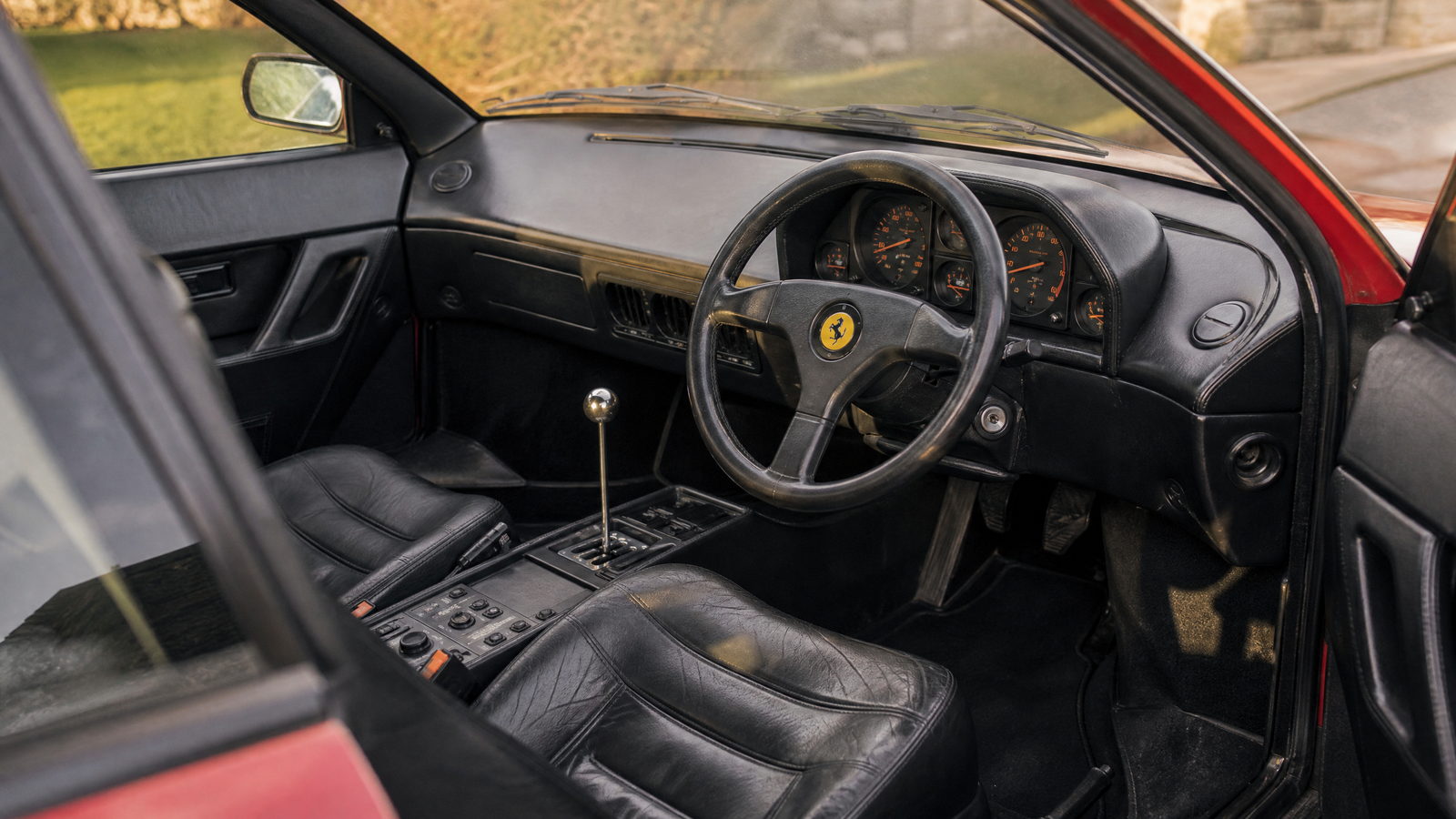
Inside, condition is a much better guide than whether the car wears the exact shade of leather your friend considers correct. Check the seat bolsters, dashboard, switchgear, carpets and door cards carefully because a full interior restoration can absorb a startling amount of cash. Sit in the driving seat for long enough to judge the famously offset pedals and the room around your knees. The Mondial is remarkably practical for a mid engined Ferrari, but it is not a Range Rover in a red jumper. Rear seat space is for smaller passengers or extra luggage, while the Cabriolet rear seats are narrower still. A car with gently worn but complete original trim is often more appealing than one with fresh leather everywhere and no explanation for where the original pieces went.
History and a proper test drive will save you from the beautiful bad idea
Service history is everything here. You want itemised evidence from recognised Ferrari specialists for routine servicing, belts and tensioners, cooling work, ignition or injection repairs, brake maintenance and suspension refurbishment. Look for the handbook pack, toolkit, MOT history and old invoices, then call the garage that maintained the car if possible. Confirm the chassis number, engine number and colour against the V5C and ask whether any imported car’s mileage is documented in kilometres or miles. A low odometer reading without supporting history is only a number wearing a nice suit. Originality matters, but correct, well documented upgrades such as modern fuse board solutions, sensible air conditioning conversion and later wheels can make a car easier to enjoy.
Drive the car from cold, through town and on a faster road. Feel the clutch, warm the gearbox fully, test the brakes several times and keep one eye on coolant temperature and oil pressure. Let the owner drive first if you can, because it reveals whether the engine is allowed to warm before being treated like a karaoke machine. Afterwards, look for fresh leaks, sniff for fuel or coolant and test the electrical items again. Then pay a Ferrari specialist for a pre purchase inspection on a lift. That is not being fussy. It is the price of admission when a damaged fuse board, a deferred belt service or hidden corrosion can cost more than an entire holiday. A seller who refuses an inspection has saved you time by making the answer very clear.
What should you pay and which one should you buy?
The market is broad because left hand drive cars, usable drivers, cherished right hand drive examples and little used Cabriolets are not directly comparable. At the time of writing in August 2026, Car and Classic recorded 45 Mondials advertised, with a published price range from £20,000 to £78,724 and an average across its recorded sales of £48,268. Its live listings included a right hand drive 1985 QV at £27,500, a high mileage right hand drive 1990 t Cabriolet at £34,000 and a right hand drive 1993 t Cabriolet at £59,995. These are asking prices and market indicators, not promises of what a particular car will sell for. Spend the time comparing condition, history, specification, mileage and recent major work before deciding a price is a bargain.
If you want the most affordable route in, a sorted QV or 3.2 makes a lovely case for itself. The QV has enough pace to feel special, while the 3.2 adds a more modern cabin and the performance most buyers expect from the badge. The t is the one for outright power, power steering and the later shape, provided you budget honestly for the subframe down servicing it demands. Cabriolets add sunshine and rarity, while a coupé is usually the tidier, more rigid and less leak prone choice. Whichever one wins your heart, ignore the old line that a Mondial is not a proper Ferrari. It has a naturally aspirated V8, a manual gate, a mid mounted engine and a steering wheel with a prancing horse on it. It is a proper Ferrari. It just has enough sense to bring a coat and a passenger.
The roar of a Ferrari's engine, the sleek lines of its body and the sheer thrill it brings to those...
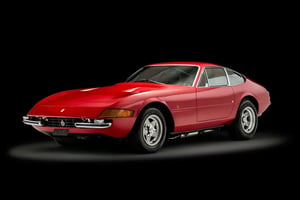
Oooh, we’ve been itching to write about this one… And it’s one of our director’s favourite cars so...
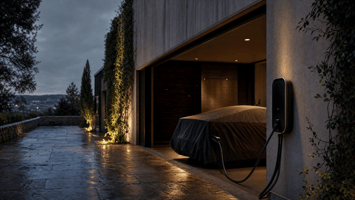
Ferrari has finally done it. The company that built an empire on screaming engines, red paint and...