


There are Beetles that everybody recognises, and then there is the Zwitter, a car that makes even...
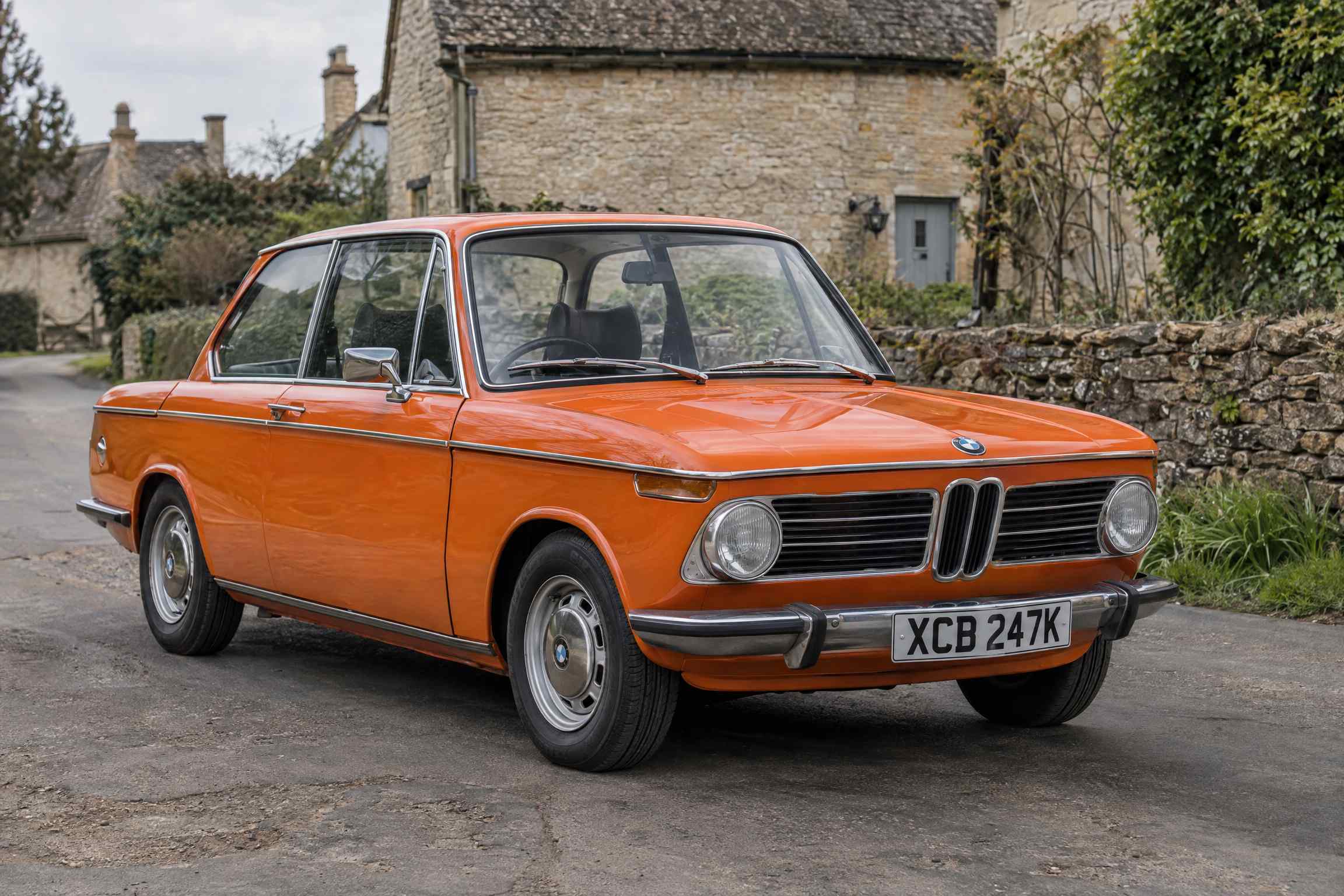


The BMW 2002 has one of those names that can lead to a slightly confused conversation. Tell someone you fancy a 2002 and they might ask what model it is. The answer is that 2002 is the model, and it arrived long before anyone was worrying about the Millennium Bug.
It is a compact saloon with two doors, a cheerful amount of glass and an engine that sends its power to the back wheels. It also happens to be one of the most enjoyable old BMWs you can buy. Not because it is the fastest or the fanciest, but because it makes a simple drive feel like something worth doing.
A little BMW with a big job to do
The 2002 arrived in 1968, joining a family of smaller BMWs that began with the two door 1600 in 1966. Its secret was straightforward enough: take the compact body and give it a larger, 1,990cc engine. The standard 2002 produced about 100 bhp, which was a healthy helping for a car of its size at the time.
The formula worked. BMW sold around 330,000 standard 2002s, and the model helped establish the idea of a practical little saloon that was also great fun to drive. The first 3 Series arrived in 1975, carrying much of that thinking into a new generation.
A shape that has aged rather well
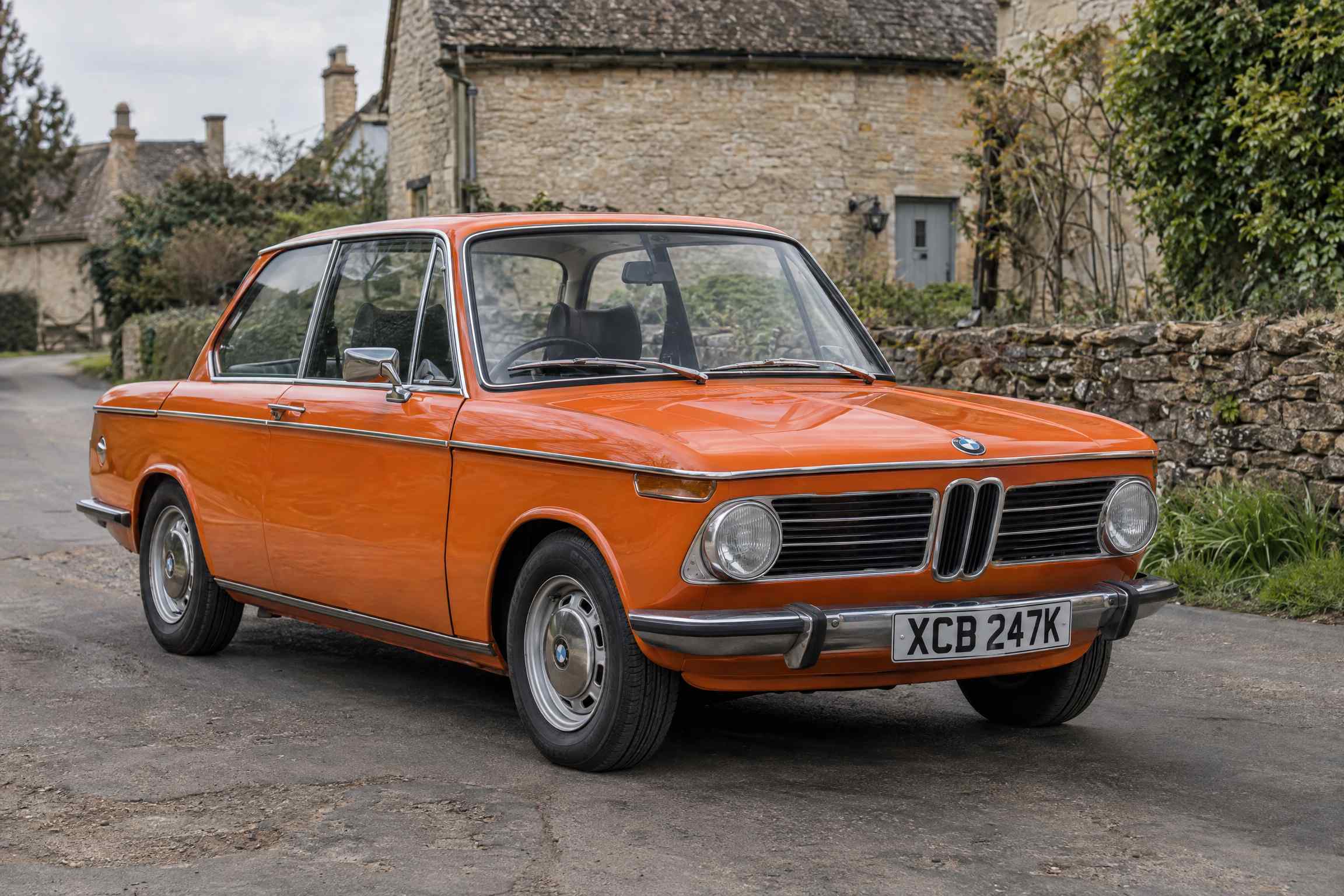
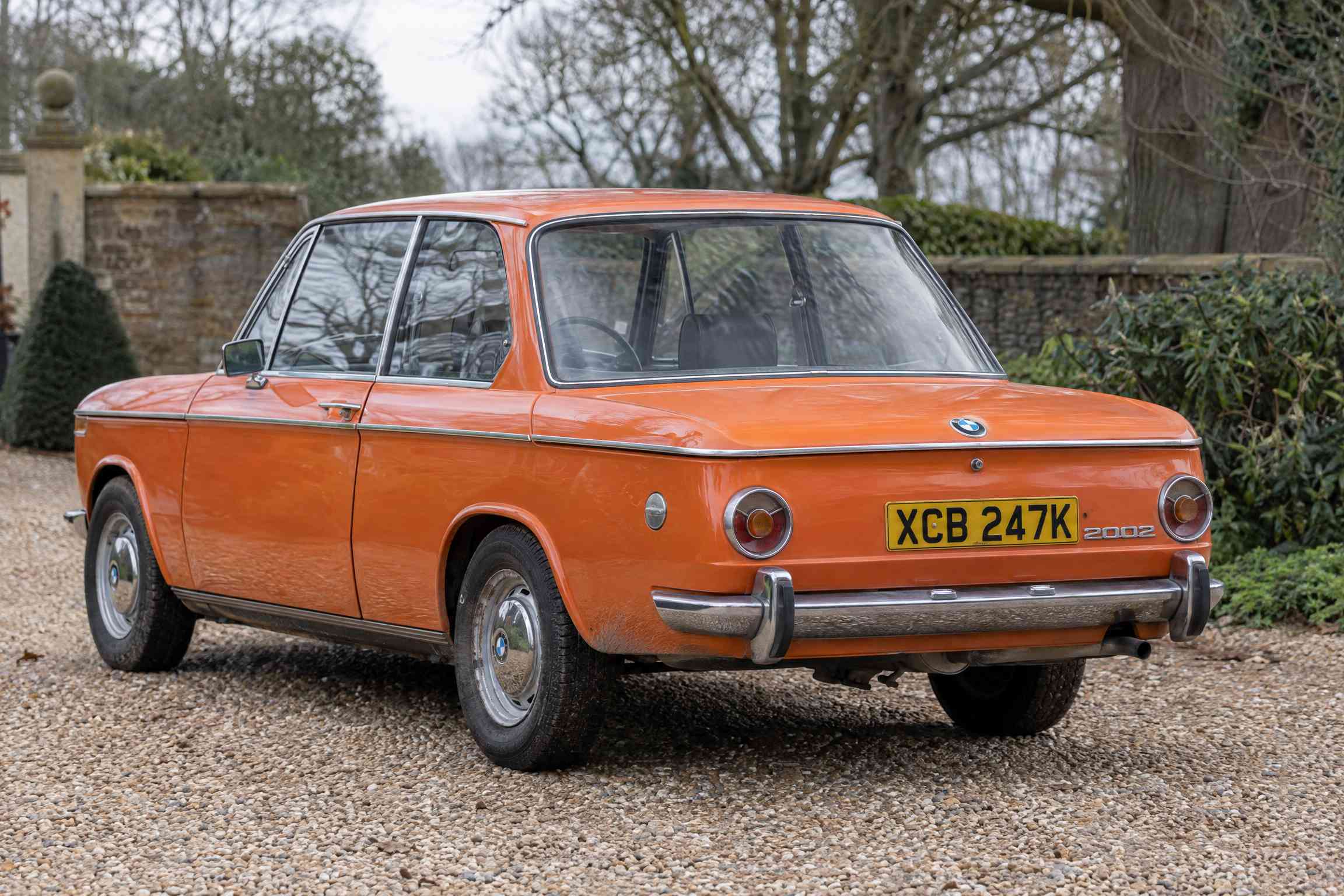
There is something beautifully uncomplicated about the 2002. The body is neat and upright, with a slim roof, big windows and the familiar BMW kidney grille. It looks smart without looking as though it spent three hours getting ready.
Early cars have round rear lights, while later examples have rectangular ones. People have strong opinions about which look better, so feel free to bring it up at a classic car gathering if you have a spare afternoon. Both versions have that appealing balance between ordinary family saloon and something a little more interesting.
The fun starts behind the wheel
The standard car is lively rather than frighteningly fast. Its four cylinder engine is willing, and the four speed manual gearbox gives you plenty to do without making every journey feel like work. It is the sort of car that encourages you to take the interesting road home, even when you only popped out for milk.
The steering has a lovely direct feel once you are moving, the car is relatively light, and the back wheels do the pushing. On a good road, a well sorted 2002 feels alert and involving without demanding heroic speeds. It is still an old car, though, and the steering can feel heavier when parking than anything you have driven out of a modern showroom.
Which 2002 should you choose?
The ordinary 2002 deserves more attention than it sometimes gets. Its single carburettor engine is less complicated than the later fuel injected tii, and it has more than enough character for a pleasant Sunday drive. BMW also offered an automatic, which is worth considering if a gentler approach appeals.
If you want a bit more excitement, there was the twin carburettor 2002 ti and the fuel injected 2002 tii. Then there is the 2002 turbo, introduced in 1973, which took things considerably further and was sold only with the steering wheel on the left. It is a wonderful car, but you do not need one to enjoy what makes a 2002 special.
Can you live with one?
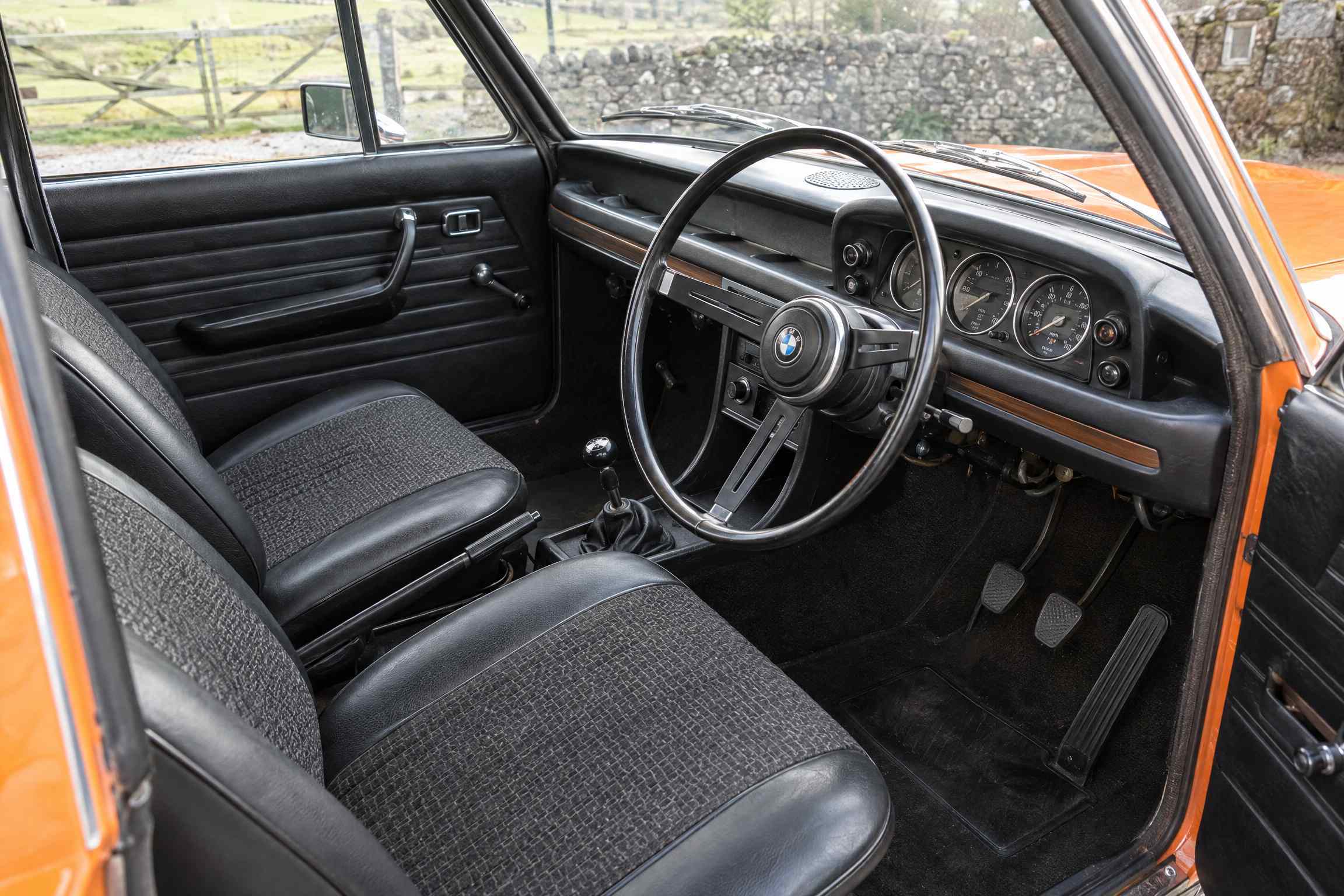
Compared with many classic sports cars, the 2002 is a practical little thing. There is a proper back seat, a useful boot and enough glass to see where you are going. You can take a passenger, a weekend bag and, with a little optimism, whatever you bought at the garden centre.
That said, a fifty year old BMW is not a modern hatchback wearing a charming disguise. Expect more noise, fewer comforts and much less protection in a crash than you would get from a newer car. A long motorway journey is possible, but a standard four speed car will be busier at speed than something with another gear.
Rust is the guest nobody invited
If you are thinking of buying a 2002, look beyond the glossy paint. Check the sills, inner wings, bulkhead and the box sections beneath the radiator. The rear suspension mounting areas and the spare wheel well need attention too. These are places where corrosion can hide and where repairs can become expensive.
Be wary of a car with a lovely top coat and no clear evidence of what happened underneath. Receipts and restoration photographs are useful, but they are no substitute for a proper inspection. If you are not confident checking the structure yourself, take someone who knows the model. A torch and a second opinion cost rather less than a surprise welding bill.
Under the bonnet and everywhere else
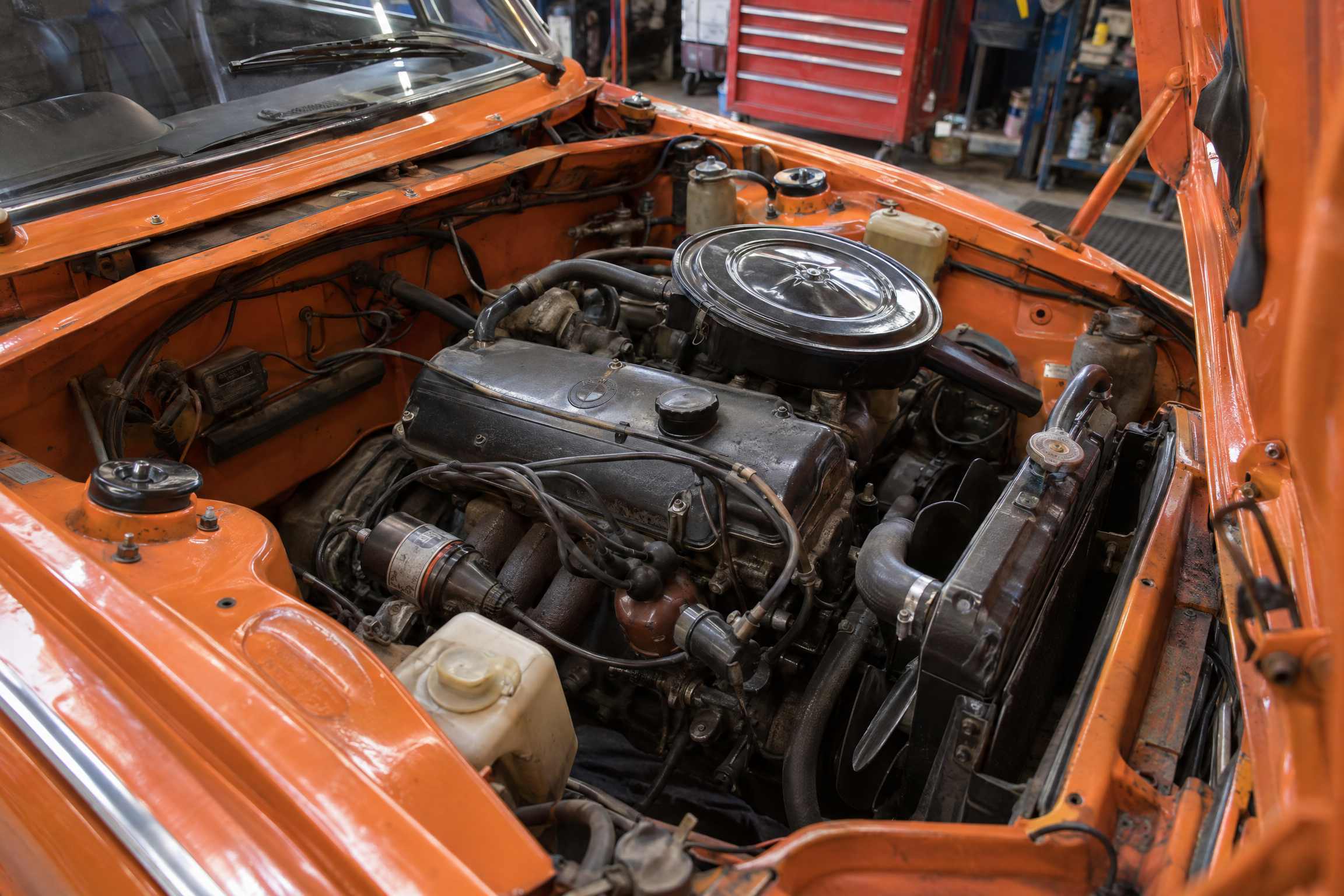
The M10 engine has a good reputation when looked after, but the cooling system needs to be in good order. Overheating can damage the cylinder head, so check the temperature on a test drive and look for evidence of regular maintenance. On a tii, the mechanical fuel injection adds another reason to find a specialist who knows these cars.
Look at the brakes, suspension and steering too. A 2002 should feel like a car that wants to go round a corner, not one that needs a committee meeting before changing direction. Old bushes, tired dampers and neglected brakes can take the shine off the experience, even when the bodywork looks lovely.
The verdict
The BMW 2002 is a classic that makes sense as soon as you see it and even more sense when you drive a good one. It has room for real life, enough pace to be entertaining and a shape that still looks fresh without trying too hard. Yes, rust is a serious concern, and yes, the very best examples can take some finding.
But buy on condition, keep some money aside for maintenance and you could end up with a wonderfully companionable classic. The standard 2002 is the one we would be happiest taking home. You can keep the argument about rear lights for another day.
There are Beetles that everybody recognises, and then there is the Zwitter, a car that makes even...

It’s a scenario that will be familiar to many of us. It’s the dead of night, the house is quiet,...
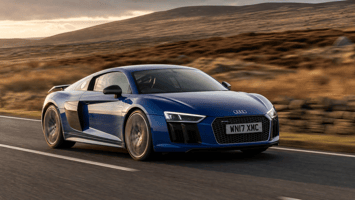
When Audi unveiled the R8 at the 2006 Paris Motor Show, the sports car establishment had to shuffle...
